Spicy Foods and Your Gut: Myth vs. Reality in South Indian Diets
By Dr. Aditya Shah | Consultant Gastroenterologist & Hepatologist, Chennai
🌶️ Introduction: Can Spicy Food Harm Your Gut?
From fiery Andhra pickles to Chettinad curries and the beloved Tamil “milagai podi,” spice is an integral part of South Indian cuisine. Yet many patients at my clinic ask:
“Doctor, is my gut pain due to all the spicy food I eat?”
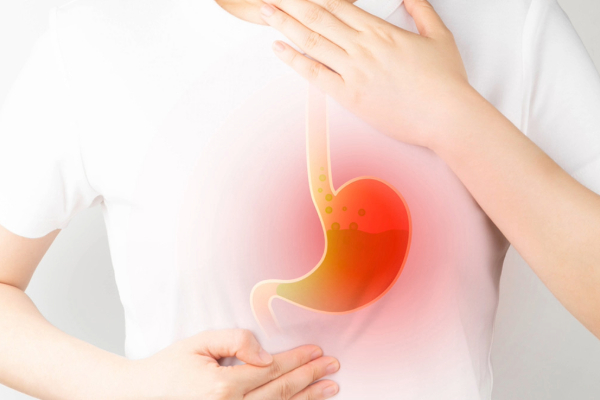
As a gastroenterologist practicing in Chennai, I see dozens of patients each month suffering from heartburn, acid reflux, IBS, and gastritis. And yes, dietary spice often plays a role—but not always in the way people assume.
This July, let’s decode the relationship between spicy food and your digestive system, and bust a few long-standing myths.
🔍 What Happens When You Eat Spicy Food?
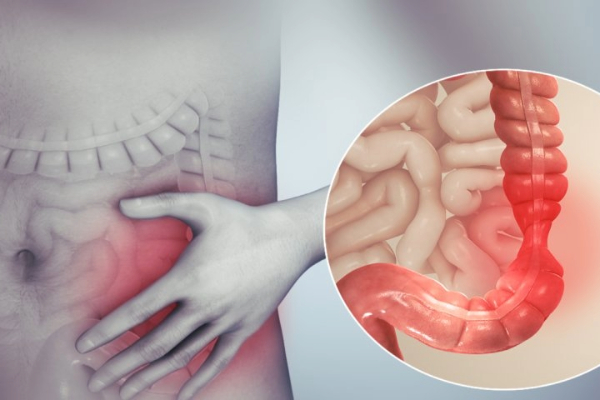
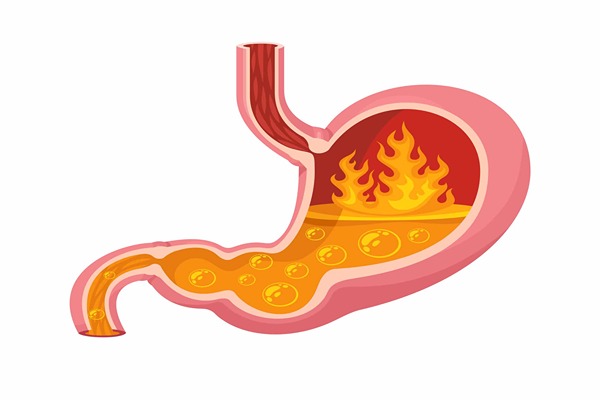
The main compound in spicy foods is capsaicin—found in red chilies, green chilies, and pepper. Capsaicin activates pain receptors (TRPV1) in the mouth, throat, stomach, and intestines. This:
- Increases blood flow to the gut lining
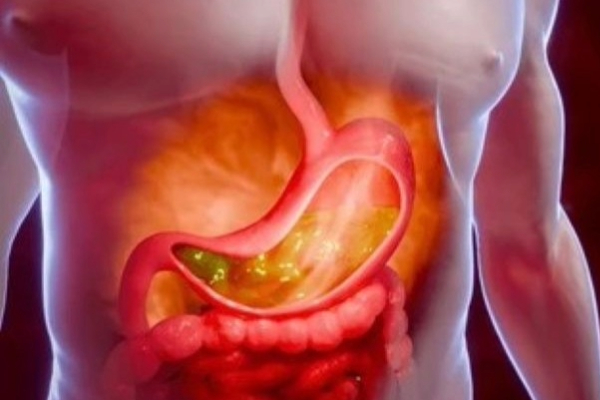
- Stimulates stomach acid production
- May speed up or slow down bowel movements (based on dose)
- Triggers a “burning” sensation in some people
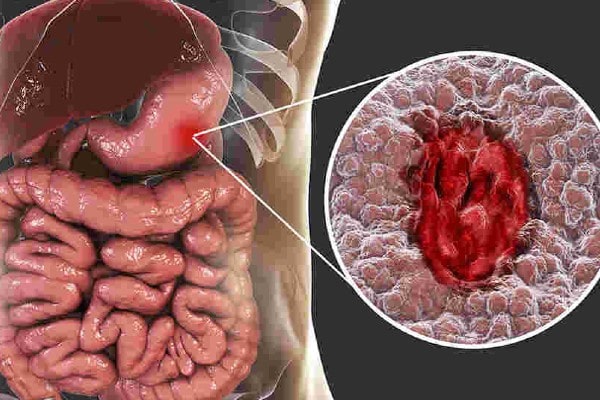
However, capsaicin does not directly cause ulcers. It can aggravate existing issues in sensitive individuals.
✅ Spicy Foods: The Unexpected Benefits
Surprisingly, in moderation, spicy foods offer gut-friendly benefits:
| Benefit | How It Helps |
|---|---|
| 🌡️ Boosts metabolism | Increases fat burning temporarily |
| 🧬 Antioxidant-rich | Chilies contain vitamins A, C, and E |
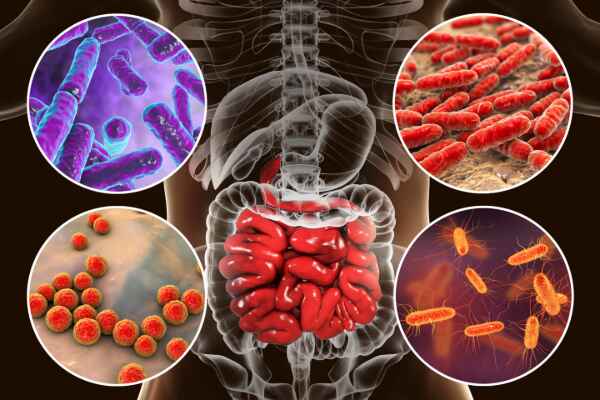
| 🦠 Antimicrobial | Capsaicin kills harmful gut bacteria |
| 🍽️ Appetite regulation | May reduce cravings and calorie intake |
| 💩 Improved motility | Can relieve constipation in some cases |
In fact, some studies suggest chronic low-dose capsaicin may protect against gastric ulcers by promoting mucus secretion and blood flow in the stomach.
❌ When Spicy Food Becomes a Problem
While many people tolerate spice well, certain conditions get worse with it:
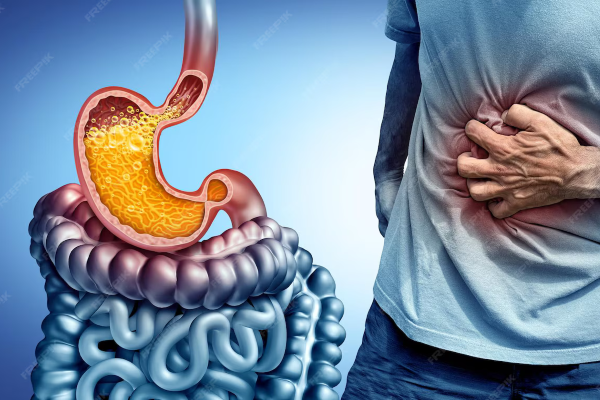
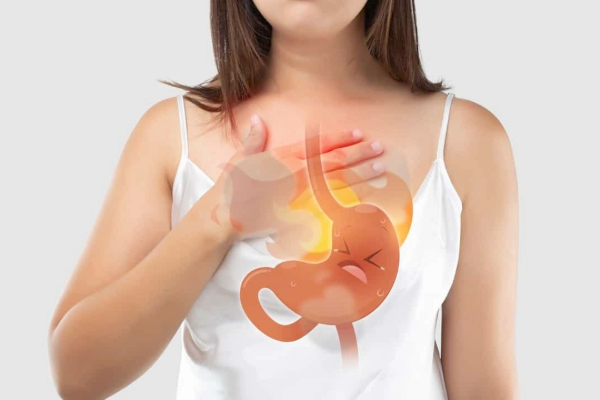
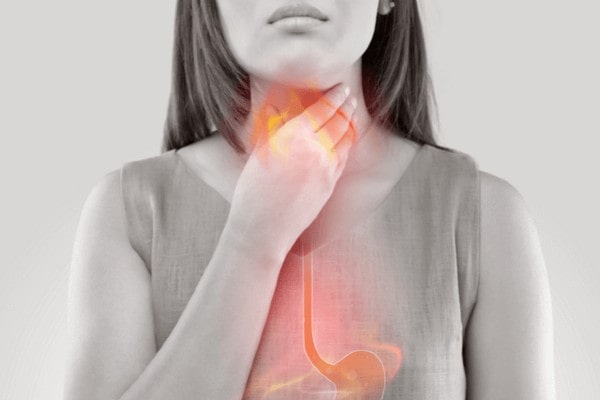
- Acid Reflux / GERD
- Spice stimulates acid production
- Increases risk of heartburn, especially when lying down
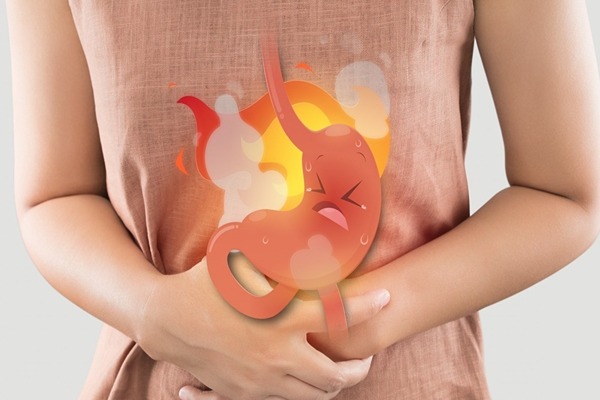
- Gastritis
- Inflamed stomach lining is more sensitive to chili-induced irritation
- May cause burning pain or nausea after spicy meals
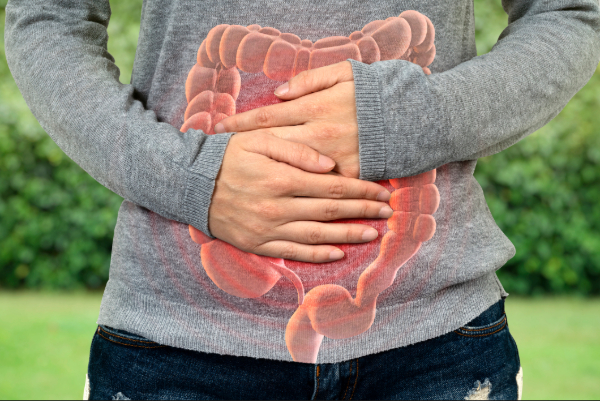
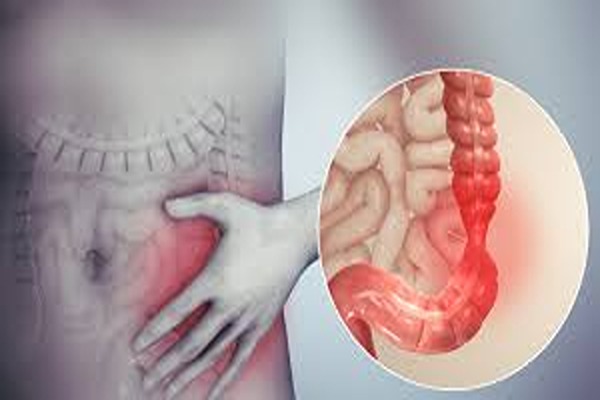
- Irritable Bowel Syndrome (IBS)
- Capsaicin can overstimulate gut nerves
- Leads to bloating, urgency, or diarrhea in IBS-D
- Hemorrhoids / Anal Fissures
- Spicy food can worsen pain during bowel movements
- May cause stinging or burning sensation post defecation
- Functional Dyspepsia
Spices may cause a feeling of fullness, bloating, and early satiety
📍 Why Chennai Is More Prone to Spice-Linked Gut Issues
- 🌞 Hot, humid climate + spicy food = more acid reflux
- 🏢 Sedentary lifestyle in urban professionals = slower digestion
- 🌃 Late-night eating = more reflux risk
- 🍱 High intake of pickles, chutneys, fried snacks = worsens gut inflammation
- 🍲 Overuse of chili powder in tiffins, biryanis, curries
In my Chennai-based practice, I see teachers, IT employees, homemakers, and even children suffering from chronic digestive issues linked to excessive spice.
👩⚕ Real-World Case Study
Mrs. Lakshmi, 44, from T Nagar, came to our clinic with daily morning acidity and bloating. She had been taking antacids for 2 years. On detailed diet analysis, we found:
- Daily breakfast: Idli with spicy podi
- Lunch: Rasam + pickles + fried appalam
- Dinner: Spicy biryani or parotta
- Late-night TV snacks: Murukku or chips
We recommended a spice-balanced diet, added probiotics, and stopped unnecessary PPI use. In 3 weeks, she reported:
- 70% improvement in reflux
- No more early morning bloating
- Energy and sleep levels improved
🥗 Should You Eliminate Spices Completely?
Not at all. The goal is moderation, not elimination.
| Better Choices | Spicy Foods to Limit |
|---|---|
| Fresh ginger, turmeric, cumin | Red chili powder, dried chilies |
| Green chutney with mint or curry leaves | Pickles with oil + salt + chili |
| Black pepper (in moderation) | Street food with mixed masalas |
| Rasam with pepper + garlic | Overloaded gravy dishes like Chettinad curry |
📋 Spice-Sensitive Gut Diet Tips
- 🍽️ Eat smaller, frequent meals
- 🚰 Drink water before—not during—meals
- 🛏️ Avoid lying down within 2 hours of eating
- 🍹 Replace spicy snacks with probiotic-rich buttermilk or curd rice
- 🌱 Include coriander, fennel, curry leaves, and asafoetida (hing) in cooking for better digestion
- ❌ Avoid spicy + oily combos like masala dosa or deep-fried pakoras during flare-ups
🧪 Diagnosis: When to See a Gastroenterologist
See a specialist like Dr. Aditya Shah if you have:
- Persistent heartburn (more than 2x/week)
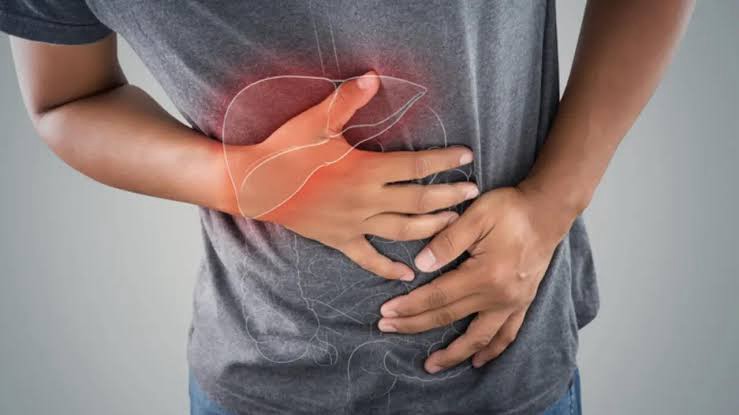
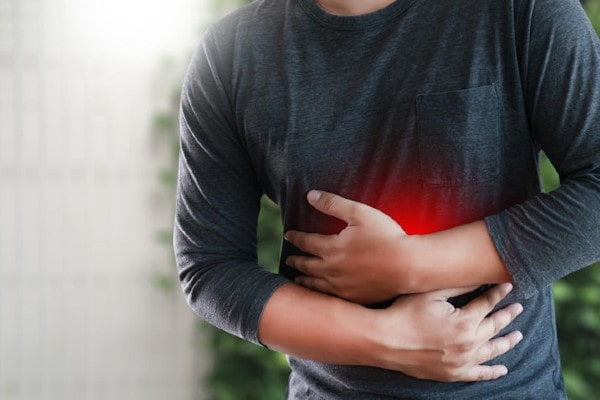
- Burning sensation in chest or upper abdomen
- Vomiting or nausea after spicy meals
- Unexplained bloating, belching, or burping
- Anal pain or bleeding after spicy food
- Symptoms not relieved by home remedies or OTC antacids
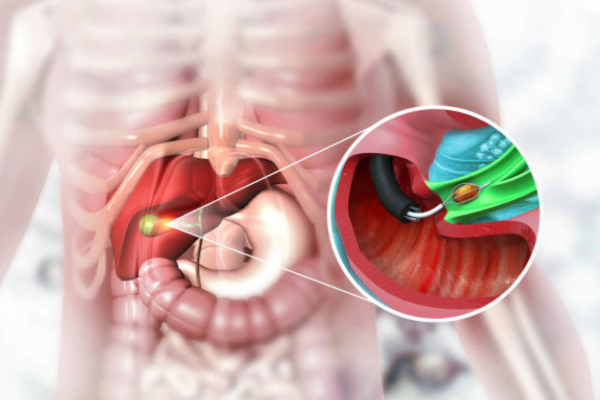
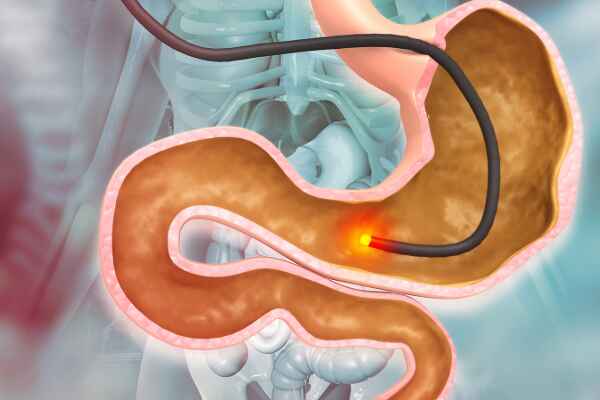
We use endoscopy, H. pylori testing, ultrasound, and gut sensitivity testing to identify deeper issues like ulcers, gastritis, or IBS.
🔄 Can Your Gut Adapt to Spicy Food?
Yes! Gradual exposure to capsaicin may desensitize gut nerves over time. But in patients with gut inflammation, it’s best to pause and heal first, then reintroduce low levels of spice slowly.
👨⚕ Dr. Aditya Shah’s Advice
“As a gastroenterologist, I never tell my Chennai patients to stop eating spice completely. But I always stress on balance. A healed gut can enjoy traditional South Indian flavors—just not at the cost of health.”
🌿 Conclusion: A Gut-Friendly Approach to Spice
South Indian food is rich, vibrant, and deeply cultural—but your gut doesn’t need to suffer for it.
- Respect your gut's tolerance
- Balance spice with fiber, protein, and probiotics
- Eat early, eat light, eat mindfully
📅 Book Your Gut Health Consultation in Chennai
👨⚕ Dr. Aditya Shah - Consultant Gastroenterologist & Hepatologist
📍 Chennai | Advanced Digestive & Liver Care Clinic
🌐 Website: www.dradityagastro.com