Knowing Acid Reflux: Why It Occurs and How to Manage It
Overview
After a big meal or a dish of spicy biryani, you may have a painful burning sensation in your chest that feels like "just acidity," but it could actually be an indication of acid reflux. Acid reflux has subtly emerged as one of the most prevalent digestive issues among people in metropolitan areas like Chennai, where late dinners, filter coffee, and demanding workdays are typical.
Although most people use antacids as a form of self-medication, chronic acidity may be a sign of GERD, a more serious condition. Ignoring this problem may result in ulcers, chronic inflammation, or even precancerous esophageal alterations.
Dr. Aditya Shah is a leading Consultant Gastroenterologist and Hepatologist in Teynampet, Chennai, with extensive training in the diagnosis and treatment of GERD, reflux, and associated digestive diseases. He aids in the safe and natural restoration of long-term digestive health through patient education, endoscopic examination, and lifestyle modification.
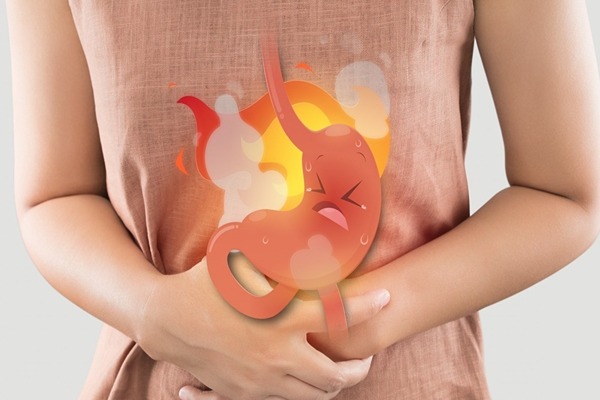
What Takes Place in Your Body When You Have Acid Reflux?
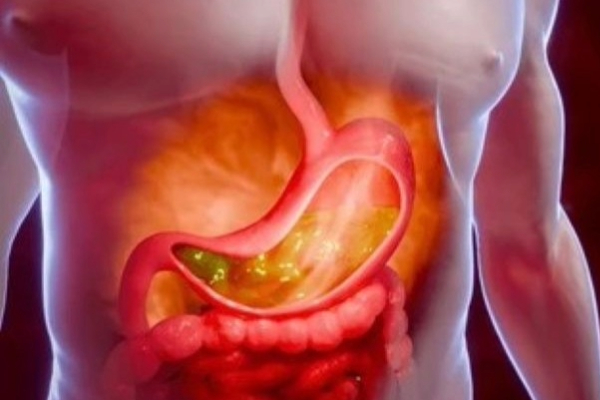
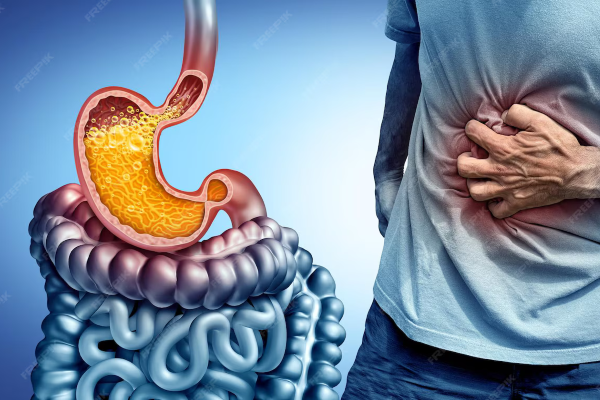
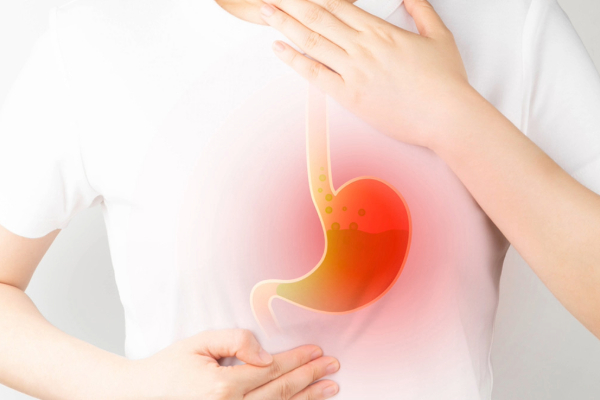
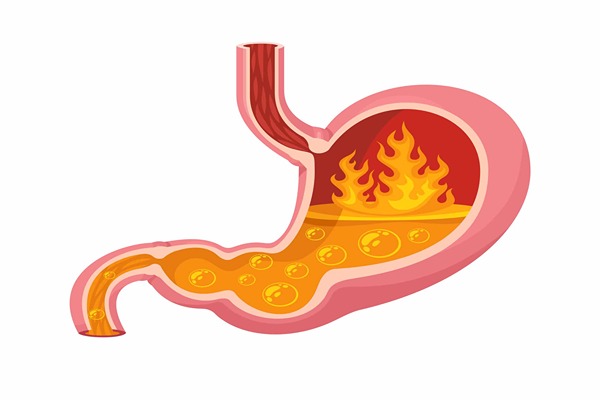
To aid with food digestion, your stomach generates enzymes and acid. Although it is designed to remain in the stomach, this acid is powerful enough to break down complex lipids, meat, and grains. The lower esophageal sphincter (LES) is a muscle valve that sits between the stomach and the food pipe (oesophagus).
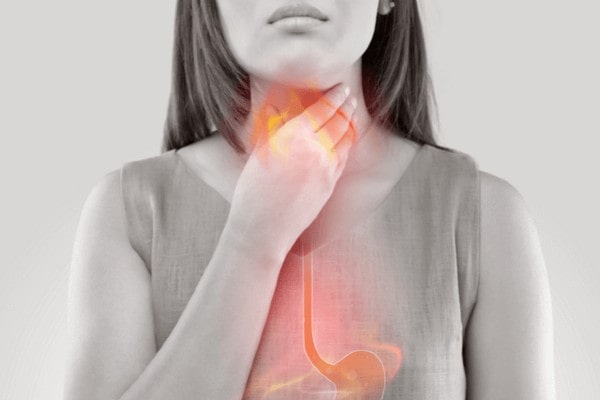
The LES only opens to let food fall when it is operating regularly, and it then instantly closes. Acid reflux, on the other hand, results from acid escaping upward if this muscle weakens or relaxes at the wrong time.
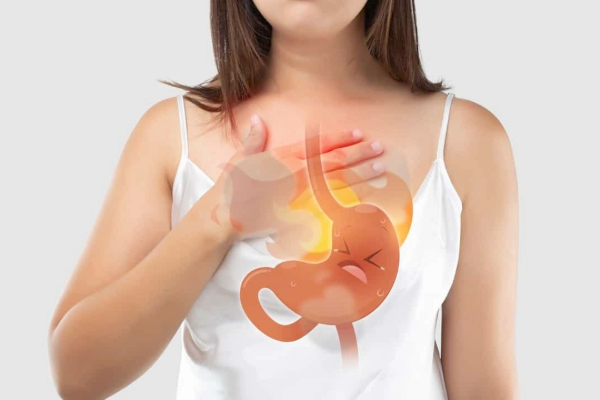
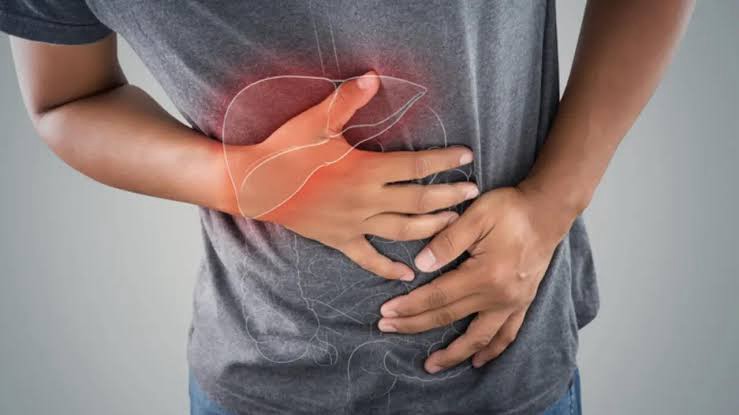
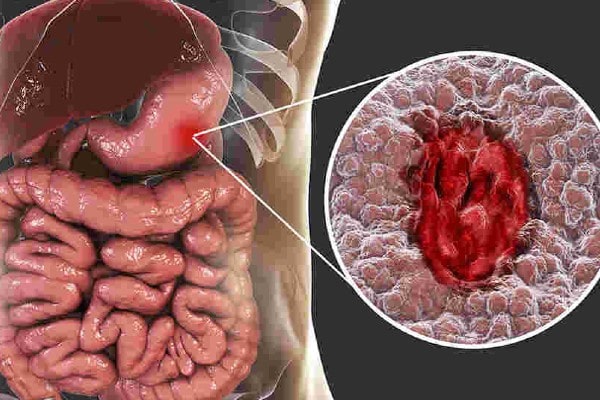
Heartburn, that well-known burning feeling, is caused by this backflow irritating the delicate lining of the oesophagus. Chronic acid exposure over time might result in scarring and inflammation (oesophagitis).
Why Is Chennai Seeing a Rise in Acid Reflux?
Fast-paced lifestyles and urbanisation have altered how people live and eat. Many people in Chennai struggle with stress, inconsistent eating patterns, and long work hours—all of which are known to exacerbate reflux.
Let's examine the reasons behind its increasing prevalence:
1) Patterns of Diet
- Fried dishes, tamarind, and spices are staples of South Indian meals. They are tasty, but if consumed in excess, they might irritate the lining of the stomach.
- Acid production is increased when coffee and tea are consumed often.
2) Aspects of Lifestyle
- Having late dinners or skipping breakfast
- Extended intervals between meals
- consuming substantial meals at night and then falling asleep
3) Emotional and Environmental Triggers
- Heat and high humidity can exacerbate acidity and lead to dehydration.
- Sleep deprivation, stress, and anxiety all affect digestion.
4) Health Issues and Drugs
- Abdominal pressure is increased by pregnancy, obesity, and hiatal hernia.
- The LES may be weakened by painkillers and some antibiotics.
The people of Chennai are especially vulnerable to reflux-related issues because of these combined causes.
Typical Signs of Acid Reflux
Each person experiences acid reflux in a different way. Among the most typical symptoms are:
- Chest burning, especially after consuming food
- A bitter feeling in the throat or mouth
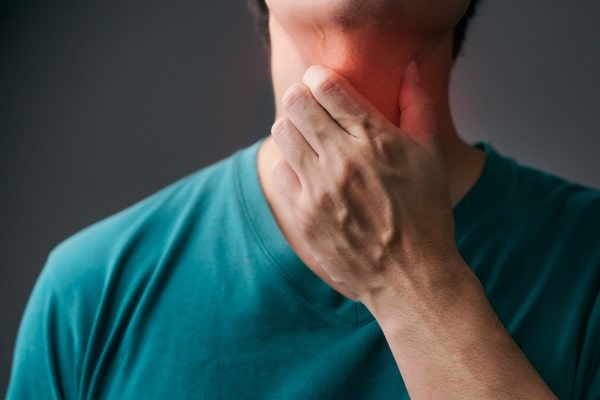
- Dry cough or discomfort of the throat
- Regurgitation of liquids or meals
- Bloating and excessive burping
- Morning painful throat or hoarseness
- Having trouble lying down
"Silent reflux" (LPR) is a condition in which acid reaches the throat without causing the usual heartburn. Coughing, persistent throat clearing, or even sinus-like symptoms may result from this.
What Effects Does Acid Reflux Have on Your Life?
In addition to causing physical discomfort, reflux can cause sleep disturbances, decreased appetite, and ongoing anxiety related to eating. Reflux episodes during the night disrupt sleep, leading to weariness, mood fluctuations, and decreased productivity.
Chronic reflux can cause ulcers, Barrett's oesophagus, or possibly precancerous alterations in the long run. For this reason, it's critical to address chronic reflux as a real medical disease that needs to be evaluated by a specialist rather than merely as an occasional annoyance.
What Weakens the LES in the Science of Reflux?
Internal abdominal pressure, hormones, and nerves all influence the LES. It malfunctions for a number of reasons:
- Elevated abdominal pressure brought on by overeating or obesity
- Changes in hormones during pregnancy
- Some foods (citrus, chocolate, coffee, garlic, onions, and mint)
- Drugs (sedatives, antidepressants, and asthma inhalers)
- Alcohol and smoking, which immediately relax the LES
Similar to gradual corrosion, repeated exposure to acid erodes the lining of the oesophagus, causing pain and inflammation.
Diagnosis: Determining the True Nature of the Situation
Modern diagnostic technologies are used by a Leading Gastroenterologist in Chennai, such as Dr. Aditya Shah, to determine whether acid reflux is present and how severe it is.
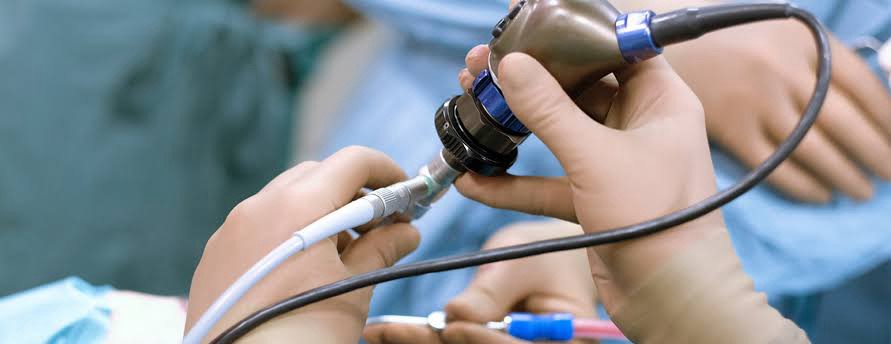
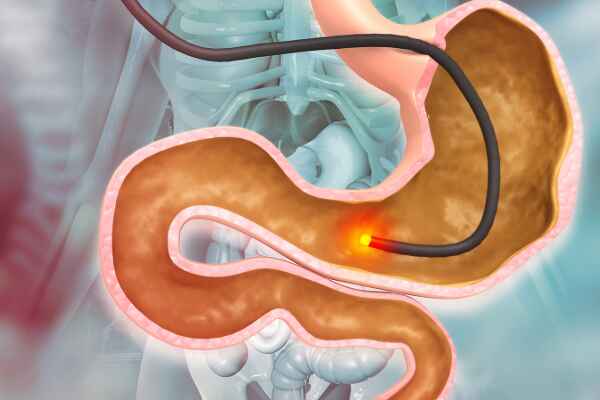
1) Endoscopy of the upper gastrointestinal tract
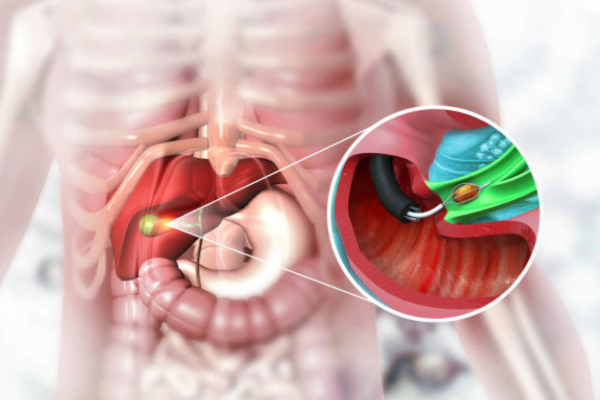
- Through the mouth, an endoscope—a thin, flexible tube with a camera—is inserted.
- It facilitates the visualisation of esophageal constriction, ulcers, and inflammation.
2) Monitoring of Esophageal pH
- Over the course of a day, a tiny probe records the frequency and duration of acid entry into your oesophagus.
3) Test of Manometry
- Evaluates the LES's strength and muscular contractions.
4) Study of Barium Swallows
- An X-ray test to look at the movement of your oesophagus during swallowing.
These tests guarantee precise diagnosis and exclude conditions like gastric ulcers or heart attacks that could resemble reflux.
Options for Treatment: Restoring Digestive Balance
With the optimal mix of dietary changes, medication, and lifestyle modifications, acid reflux can be controlled.
1. Management of Lifestyle
- Consume regular, little meals rather than large ones.
- After eating, wait at least two to three hours before you lie down or go to sleep.
- Raise your bed's head by 6 to 8 inches.
- Keep your weight in check.
- Wear clothing that fits loosely around the abdomen.
- Reduce alcohol consumption and give up smoking.
- Engage in relaxation techniques such as yoga or breathing techniques.
2. Modifications to Diet
Foods that cause reflux include:
- Pickles, spicy foods, and deep-fried snacks
- Tomato-based gravies and citrus fruits
- Chocolate, coffee, and fizzy beverages
- Mint, onions, and garlic
Foods that lessen reflux include:
- Papaya, melons, bananas, and oats
- Non-fried foods and boiled vegetables
- Buttermilk, curd, and foods high in fibre
- Teas made from herbs (such as chamomile or ginger)
3. Drugs
Depending on how serious it is, doctors might recommend:
- Antacids for prompt alleviation
- Blockers of H2 receptors, such as famotidine
- Proton Pump Inhibitors (PPIs) to reduce acid production
- Prokinetic drugs to improve food movement through the gut
Long-term use of medication should always be supervised by a doctor to avoid dependency or side effects.
4. Advanced Treatments
For chronic or severe GERD, minimally invasive procedures may be considered:
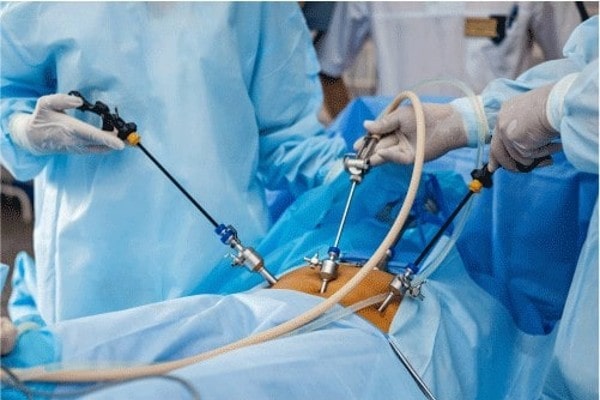
- Laparoscopic Fundoplication: Strengthens the LES by wrapping the top of the stomach around the esophagus.
- Endoscopic Therapy: Uses devices to tighten the LES without surgery.
These methods are highly effective and safe under expert supervision.
Role of Stress, Sleep, and Posture
Stress not only affects the mind but also the gut. It slows digestion, alters gut bacteria, and increases acid secretion. Mind-body practices like meditation, yoga, or evening walks can significantly improve symptoms.
Sleep quality is equally important. Late dinners and flat sleeping positions promote reflux at night. Doctors recommend:
- Sleeping on the left side (reduces acid flow toward the esophagus)
- Avoiding large dinners and alcohol before bedtime
- Maintaining a fixed sleep schedule
Special Considerations for Chennai Residents
Living in Chennai brings certain lifestyle factors unique to the region:
- Spicy diets (chettinad, tiffin items with chutneys, tamarind-based gravies)
- Long commutes that delay meals
- Climate-induced dehydration reducing digestive fluid balance
- Coffee culture increasing caffeine consumption
Dr. Aditya Shah, a Leading Gastroenterologist in Chennai, emphasizes customized treatment — not just generic advice — for patients based on their regional food habits and environment. His approach includes dietary counseling, endoscopic evaluation, and preventive care.
Long-Term Complications if Left Untreated
Chronic reflux isn’t just about heartburn — it can lead to:
- Ulcers and bleeding in the esophagus
- Strictures (narrowing of the food pipe)
- Barrett’s Esophagus (precancerous tissue change)
- Respiratory problems from acid aspiration
- Dental enamel erosion due to repeated acid exposure
These are preventable with early diagnosis and consistent follow-up.
Living Comfortably with Reflux — The Prevention Plan
- Stay Hydrated: Drink little sips of water through the day.
- Eat at the correct time: Follow a steady schedule.
- Avoid big dinners: Keep dinner light and early.
- Walk after meals: A quick 10–15 minute walk promotes digestion.
- Manage stress: Include relaxation intervals in your regular routine.
- Regular check-ups: Early detection saves serious difficulties.
FAQs
Q1. How is GERD different from regular acidity?
Normal acidity is infrequent, while GERD is persistent, regular, and can damage the esophagus.
Q2. Can spicy South Indian food cause reflux?
Indeed. Spices, oil, and tamarind promote acid secretion and prolong stomach emptying.
Q3. If I have reflux, can I still drink coffee?
Limit to one tiny cup each day, ideally in the morning.
Q4. Are antacids safe to use daily?
It is not advised to use for an extended period of time without medical consultation. Seek advice from a gastroenterologist.
Q5. Is yoga beneficial for reflux?
Indeed. Stress reduction and breathing techniques reduce the production of acid.
Q6. Is it possible for obesity to exacerbate reflux?
Indeed. Acid is forced upward by increased abdominal pressure.
Q7. Does everyone with GERD need surgery?
No. The majority of cases respond favourably to medical and lifestyle intervention.
Q8. When is the right time to see a gastroenterologist?
if you have problems swallowing, bleeding, or vomiting, or if your symptoms last longer than two weeks.
In conclusion
Even though acid reflux may seem little, persistent bouts can have a significant impact on everyday life and health. The majority of patients find total relief by comprehending the underlying causes and implementing realistic dietary, scheduling, and lifestyle adjustments.
Visit Dr. Aditya Shah, a top gastroenterologist in Chennai, for a thorough diagnosis, individualised care, and compassionate therapy for GERD, acid reflux, and other digestive disorders. His patient-centered approach guarantees long-term digestive health in addition to symptom treatment.
Book Your Gut Health Consultation in Chennai
👨⚕ Dr. Aditya Shah - Consultant Gastroenterologist & Hepatologist
📍 Chennai | Advanced Digestive & Liver Care Clinic
🌐 Website: www.dradityagastro.com