GERD vs. Acid Reflux: Understanding the Differences and Treatment
Contact Dr. Aditya Shah, the Best Gastroenterologist in Chennai
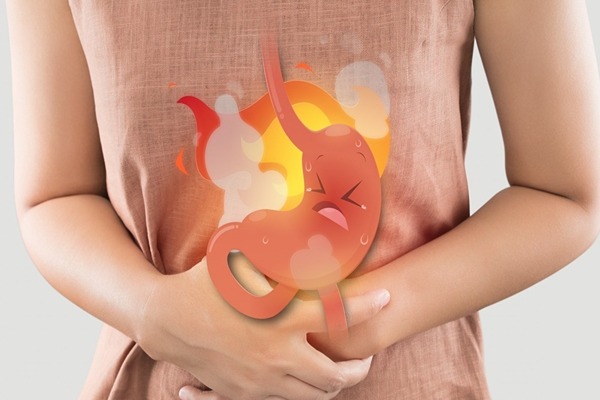
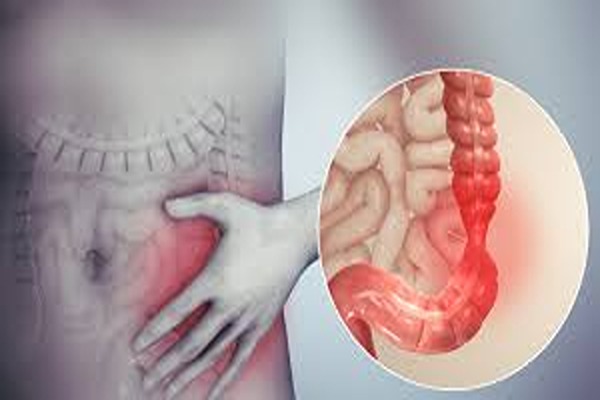
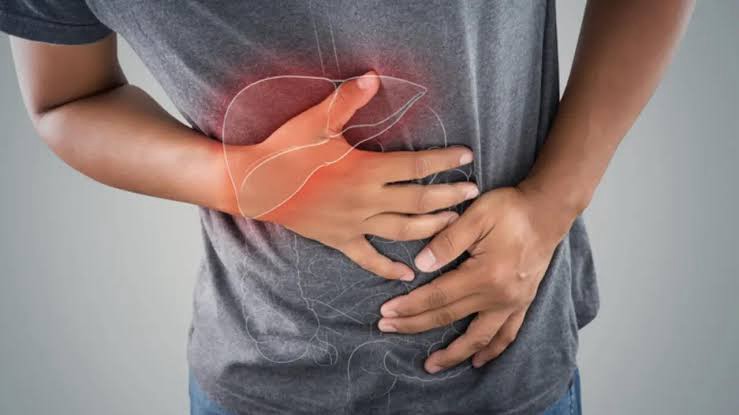
Acid reflux and GERD (Gastroesophageal Reflux Disease) are terms often used interchangeably, but they are not the same condition. While acid reflux is a common occurrence that many people experience occasionally, GERD is a chronic and more severe form of acid reflux that requires medical intervention.
If you frequently experience heartburn, regurgitation, or discomfort after meals, understanding the difference between acid reflux and GERD can help you seek the right treatment. In this article, we’ll break down the causes, symptoms, and treatments for both conditions.
What is Acid Reflux?
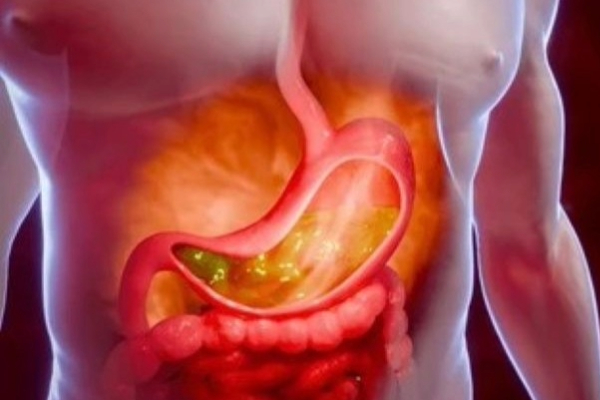
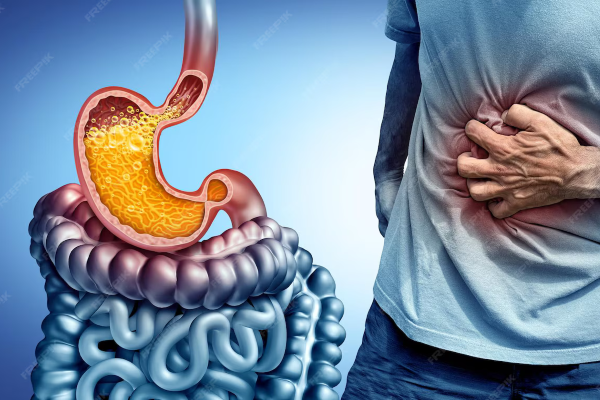
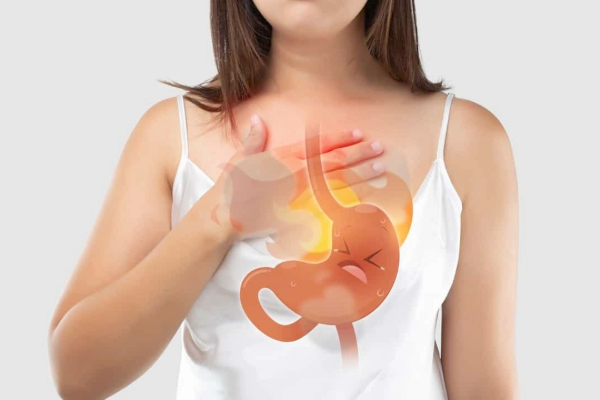
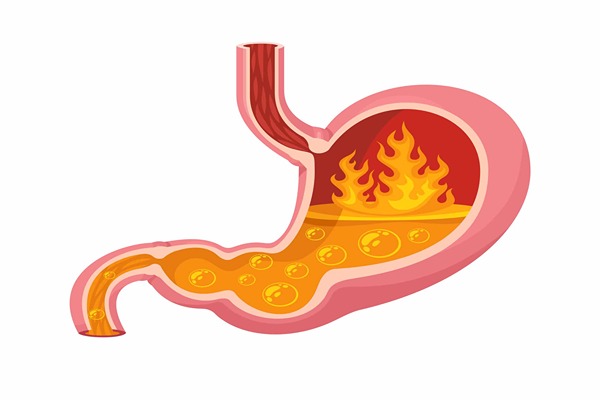
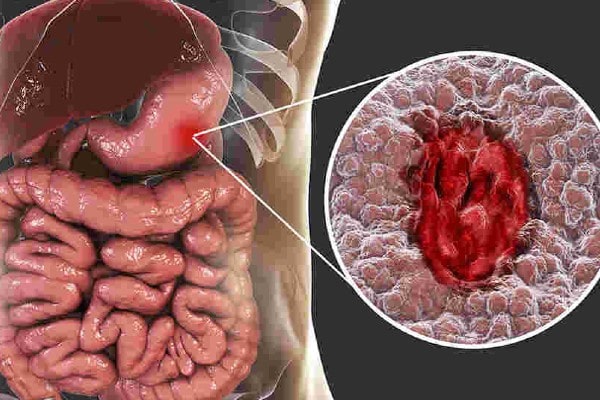
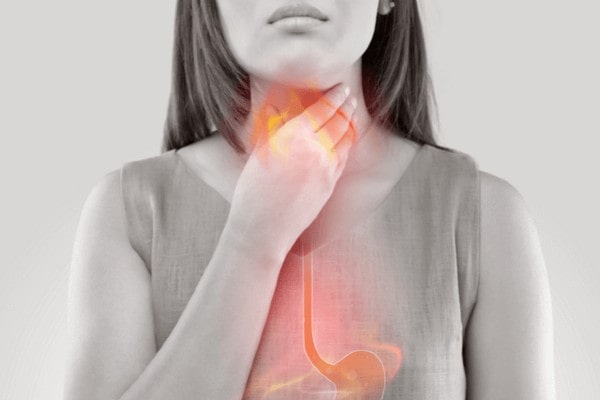
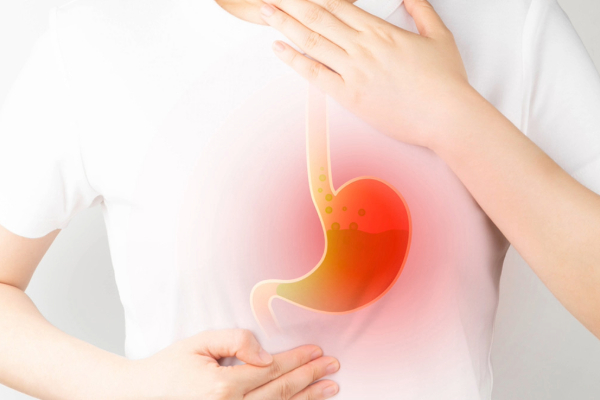
Acid reflux occurs when stomach acid flows back into the esophagus, the tube connecting your mouth to your stomach. This happens when the lower esophageal sphincter (LES), a ring of muscle that normally acts as a barrier, relaxes or weakens, allowing stomach acid to escape.
Symptoms of Acid Reflux
- Heartburn (a burning sensation in the chest, often after eating)
- Regurgitation (acid or food coming back into the throat or mouth)
- Sour or bitter taste in the mouth
- Bloating
- Burping and hiccups
- Nausea
Common Triggers of Acid Reflux
- Spicy, fatty, or fried foods
- Caffeinated beverages (coffee, tea, soda)
- Alcohol and smoking
- Large meals and lying down immediately after eating
- Being overweight or pregnant
- Certain medications (such as pain relievers and muscle relaxants)
Occasional acid reflux is not a serious concern and can often be managed with lifestyle changes and over-the-counter (OTC) medications. However, frequent acid reflux (more than twice a week) may indicate a more serious condition known as GERD.
What is GERD?
Gastroesophageal Reflux Disease (GERD) is a chronic and severe form of acid reflux. If acid reflux occurs frequently and starts causing damage to the esophagus, it is diagnosed as GERD.
Symptoms of GERD
In addition to the typical acid reflux symptoms, GERD can cause:
- Frequent heartburn (2 or more times per week)
- Chronic cough (especially at night)
- Difficulty swallowing (dysphagia)
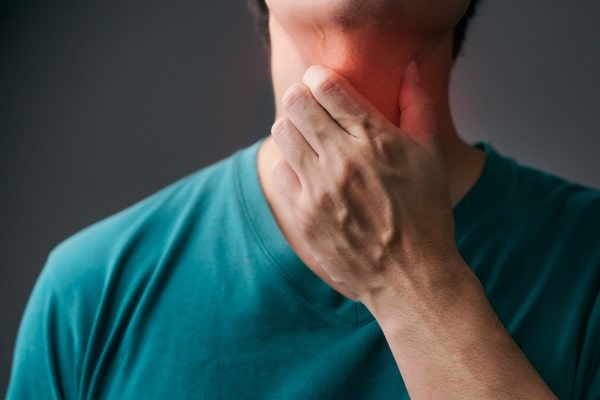
- Hoarseness or sore throat
- Chest pain (that mimics a heart attack)
- Feeling of a lump in the throat
- Worsening asthma symptoms
If left untreated, GERD can lead to serious complications, such as:
- Esophagitis: Inflammation of the esophagus due to repeated acid exposure.
- Esophageal Strictures: Narrowing of the esophagus, making swallowing difficult.
- Barrett’s Esophagus: A precancerous condition where the esophageal lining changes.
- Esophageal Cancer: A rare but serious risk for untreated GERD.
How is GERD Diagnosed?
If you experience persistent acid reflux symptoms, your doctor may perform the following tests:
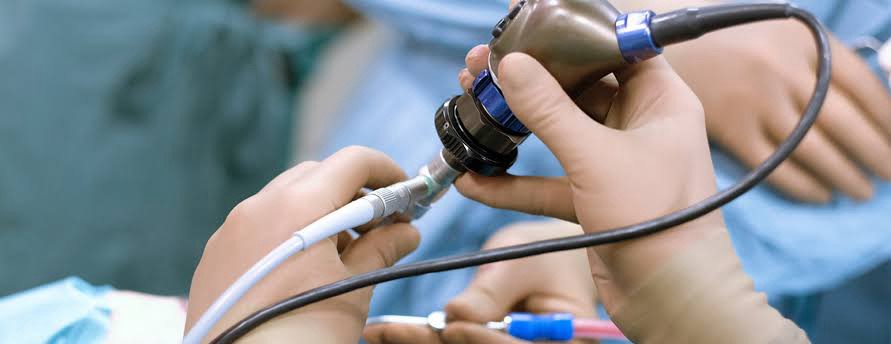
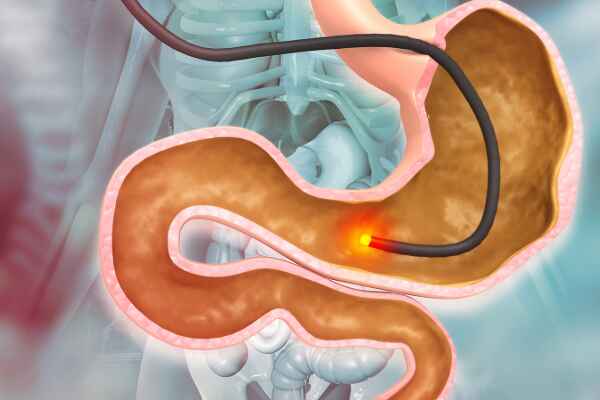
- Endoscopy: A thin, flexible tube with a camera is inserted into the esophagus to check for inflammation or damage.
- pH Monitoring: A probe measures acid levels in the esophagus over 24 hours.
- Esophageal Manometry: Tests the strength and function of the esophageal muscles.
- Barium Swallow X-ray: A special X-ray that examines the esophagus after swallowing a contrast liquid.
Treatment Options for Acid Reflux and GERD
- Lifestyle Modifications
Mild cases of acid reflux can often be managed with simple lifestyle changes:- Eat smaller meals and avoid overeating.
- Avoid trigger foods like spicy, fatty, or acidic foods.
- Stay upright for at least 2-3 hours after eating.
- Lose excess weight if overweight.
- Sleep with your head elevated to prevent acid from rising.
- Quit smoking and reduce alcohol intake.
- Medications for Acid Reflux and GERD
For more persistent symptoms, doctors may prescribe:- Antacids (Tums, Rolaids) – Provide quick relief by neutralizing stomach acid.
- H2 Blockers (Ranitidine, Famotidine) – Reduce acid production in the stomach.
- Proton Pump Inhibitors (PPIs) (Omeprazole, Pantoprazole) – More potent acid reducers that allow the esophagus to heal.
- Prokinetics – Help strengthen the LES and speed up stomach emptying.
Surgical Treatment for GERD
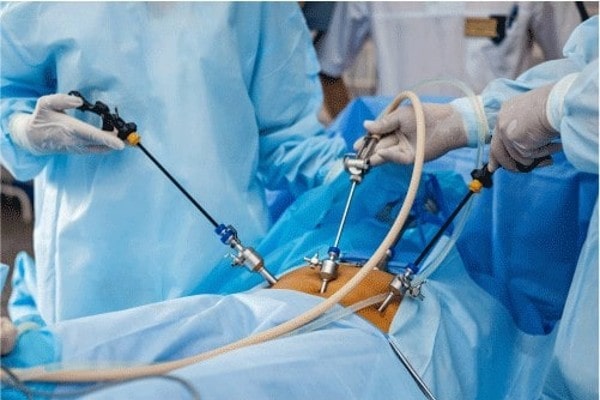
For severe GERD cases that do not respond to medications, surgical options may be recommended:
- Fundoplication: The upper part of the stomach is wrapped around the LES to strengthen it.
- LINX Device: A ring of magnetic beads is placed around the esophagus to prevent acid reflux.
- Endoscopic Therapies: Newer techniques use radiofrequency or injections to tighten the LES.