Managing Inflammatory Bowel Disease (IBD): Crohn's Disease and Ulcerative Colitis

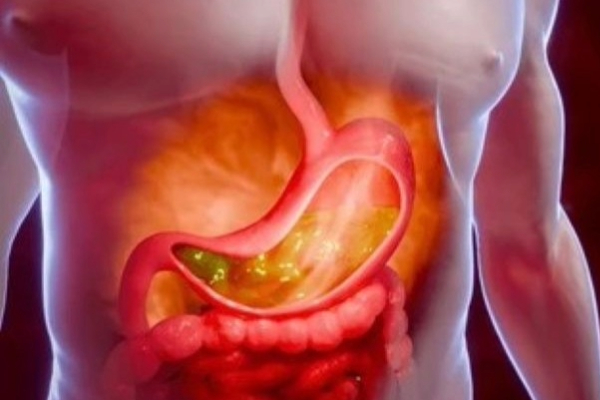
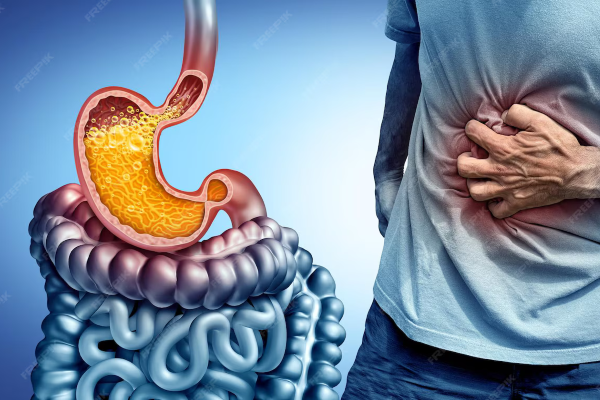
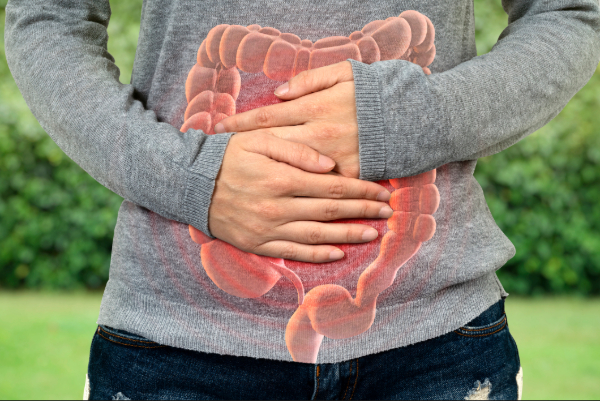
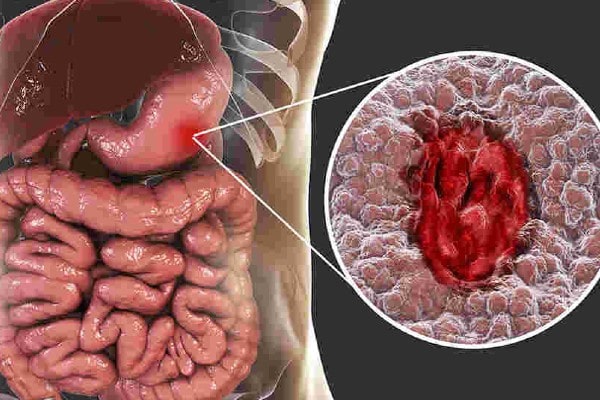
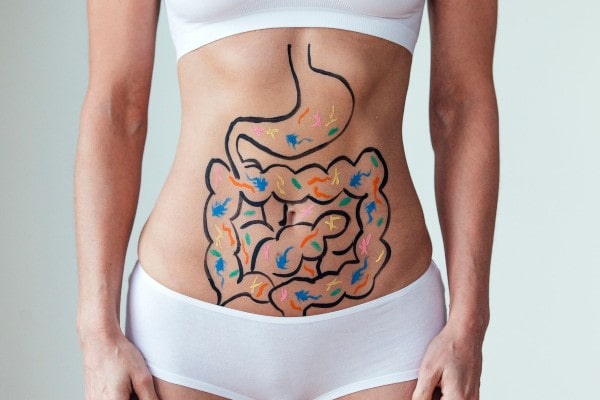
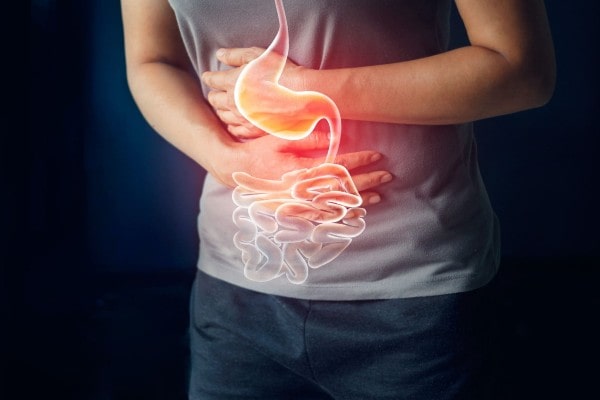
Inflammatory Bowel Disease (IBD) is a term that encompasses two main conditions: Crohn's Disease and Ulcerative Colitis. Both of these chronic conditions cause inflammation in the gastrointestinal (GI) tract, but they affect different areas and have unique characteristics. Managing IBD involves a multifaceted approach including medication, lifestyle changes, and sometimes surgery.
Understanding Crohn's Disease and Ulcerative Colitis
Crohn's Disease:
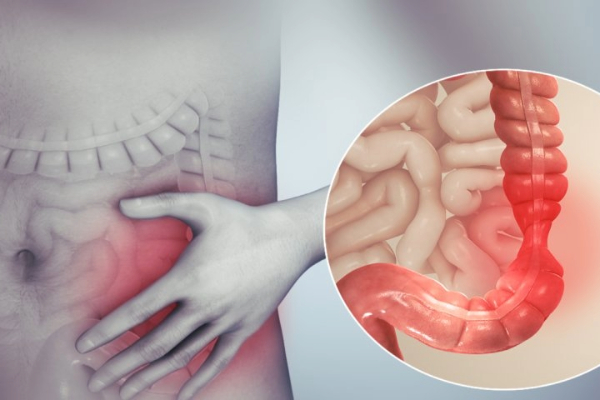
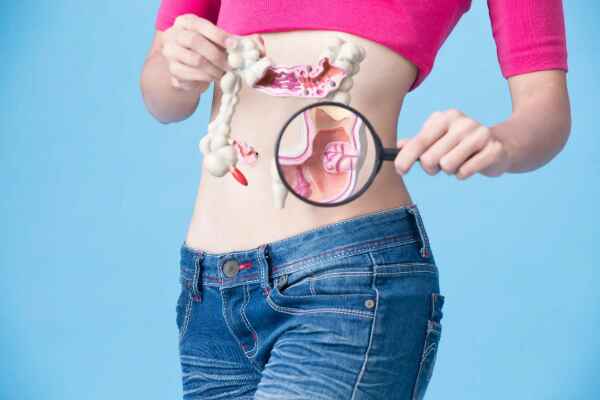
- Location: Can affect any part of the GI tract, from the mouth to the anus, but most commonly affects the end of the small intestine (ileum) and the beginning of the colon.
- Inflammation: Can penetrate the entire thickness of the bowel wall.
- Symptoms: Abdominal pain, diarrhea (often severe), fatigue, weight loss, and malnutrition. Patients may also experience fever, blood in stool, mouth sores, reduced appetite, and perianal disease.
Ulcerative Colitis:
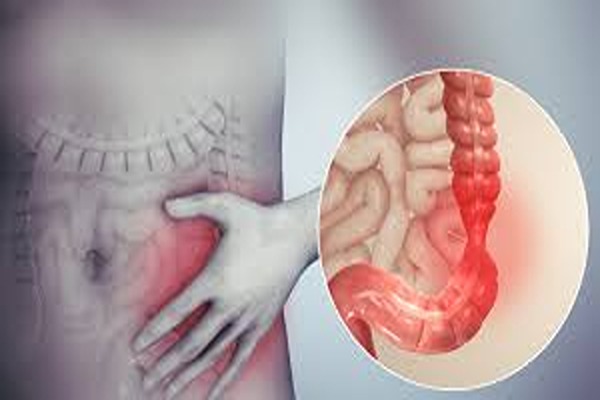
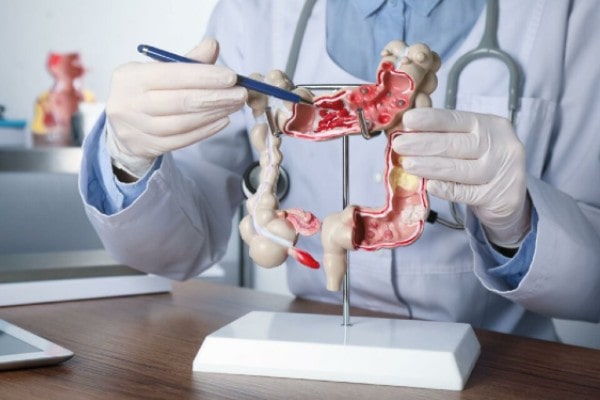
- Location: Limited to the colon and rectum.
- Inflammation: Affects only the innermost lining of the colon.
- Symptoms: Includes frequent, urgent bowel movements, abdominal pain, diarrhea (often with blood or pus), rectal pain, and bleeding. Patients might also experience weight loss, fatigue, and fever.
Diagnosing IBD
Diagnosis of IBD typically involves a combination of tests and procedures:
- Blood Tests: To check for anemia or infection.
- Stool Tests: To rule out other causes of GI symptoms and to detect blood in the stool.
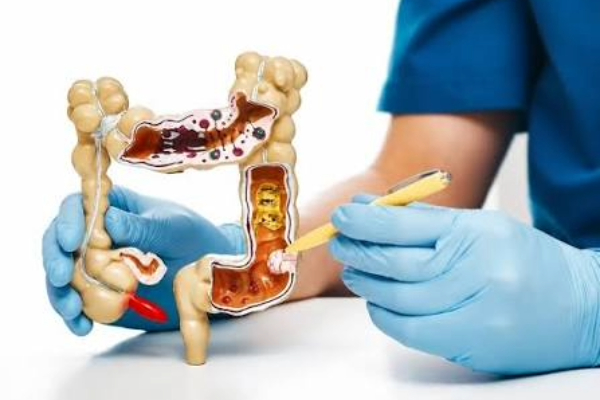
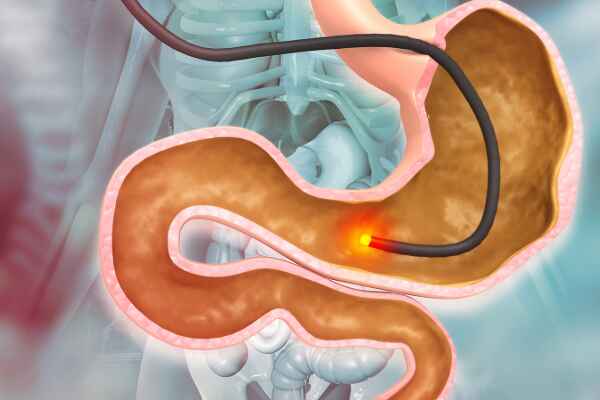
- Endoscopic Procedures: Colonoscopy or sigmoidoscopy to view the colon and obtain tissue samples.
- Imaging Studies: CT or MRI scans to visualize the GI tract.
Treatment Options
Medication:
- Anti-inflammatory Drugs: Such as aminosalicylates and corticosteroids to reduce inflammation.
- Immune System Suppressors: Such as azathioprine, mercaptopurine, and methotrexate to reduce immune response.
- Biologics: Target specific proteins involved in inflammation (e.g., TNF inhibitors like infliximab, adalimumab).
- Antibiotics: Sometimes used if infection is a concern.
- Other Medications: Pain relievers, anti-diarrheal medications, and supplements (e.g., iron, calcium, vitamin D) may also be prescribed.
Lifestyle and Dietary Changes:
- Diet Modifications: Identifying and avoiding trigger foods, eating smaller meals more frequently, staying hydrated, and following a nutrient-rich diet.
- Stress Management: Techniques such as yoga, meditation, and counseling.
- Regular Exercise: Helps reduce stress and improve overall health.
Surgery:
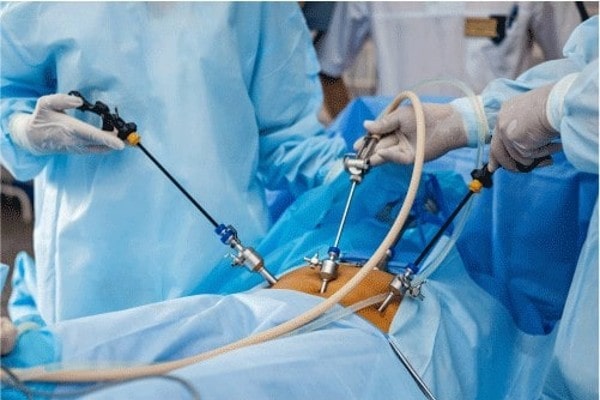
For patients who do not respond to medication or develop complications, surgery may be necessary. In Crohn's Disease, surgery might involve removing damaged portions of the GI tract. In Ulcerative Colitis, a total colectomy may be performed.
Living with IBD
Managing IBD is an ongoing process that involves regular medical care and lifestyle adjustments. Patients should work closely with their gastroenterologist to monitor their condition and adjust treatment plans as needed.
Contact Dr. Aditya Shah
For expert care in managing IBD, including Crohn's Disease and Ulcerative Colitis, contact Dr. Aditya Shah, the best gastroenterologist in Chennai. Dr. Shah offers comprehensive diagnostic and treatment services tailored to individual patient needs.
Taking proactive steps and seeking specialized care can significantly improve the quality of life for individuals with IBD. Reach out to Dr. Aditya Shah for personalized and effective treatment options.