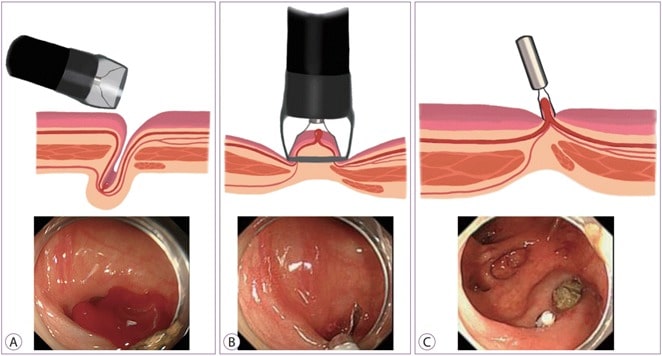
Endoscopic hemostasis is one of the most common applications of interventional endoscopy procedures. That occurs due to the bleeding frequency, the vital digestive and the immediate risk that these entail.
Talk to the expert, Dr Aditya Shah, Best Gastroenterologist in Teynampet Chennai.
Endoscopic hemostasis requires techniques used in combination to stop gastrointestinal bleeding. Correctly identifying the source of bleeding is any vital step as approximately 2% of lesions are not placed at the first endoscopy.
Once the source of bleeding is identified, the next step is the application technique and hemostasis accompanying the initiation of the pharmacological treatment. “Second-look” endoscopy, defined as endoscopic revaluation 24-48 hours after successful hemostasis, is a controversial practice.
Reach out to the best for more queries, Dr Aditya Shah, Best Gastroenterologist in Apollo Hospital Chennai.
Frequently Asked Questions
Endoscopic Hemostasis is an advanced endoscopic procedure used to stop active bleeding within the digestive tract. It uses specialized techniques and devices to identify and control the source of gastrointestinal bleeding without the need for open surgery.
Endoscopic Hemostasis is performed to control bleeding caused by stomach ulcers, gastrointestinal lesions, bleeding blood vessels, polyps, tumors, or other conditions affecting the digestive tract.
The procedure is commonly used to treat bleeding peptic ulcers, upper and lower gastrointestinal bleeding, bleeding after polyp removal, bleeding tumors, and certain vascular abnormalities in the digestive tract.
During the procedure, an endoscope is inserted into the digestive tract to locate the bleeding source. The doctor then uses techniques such as clips, thermal therapy, injection therapy, or other specialized devices to stop the bleeding.
No. Endoscopic Hemostasis is a minimally invasive procedure performed using an endoscope. In many cases, it helps control bleeding without the need for conventional surgery.
The procedure is usually performed under sedation, allowing patients to remain comfortable throughout the treatment. Most patients experience little or no pain during the procedure.
The procedure generally takes between 30 and 60 minutes, depending on the location and severity of the bleeding and the treatment required to achieve hemostasis.
Endoscopic Hemostasis provides rapid control of gastrointestinal bleeding, reduces the need for surgery, shortens hospital stay, and promotes faster recovery while effectively managing bleeding emergencies.
Endoscopic Hemostasis is generally considered safe when performed by experienced specialists. Although uncommon, potential risks include bleeding, infection, perforation, or recurrence of bleeding, which will be discussed before the procedure.
After the procedure, you will be monitored until the effects of sedation wear off. Your doctor will explain the findings, provide recovery instructions, and recommend follow-up care based on the underlying cause of the bleeding.