How Alcohol and Smoking Impact Digestive Health

Contact Dr. Aditya Shah, the Best Gastroenterologist in Chennai
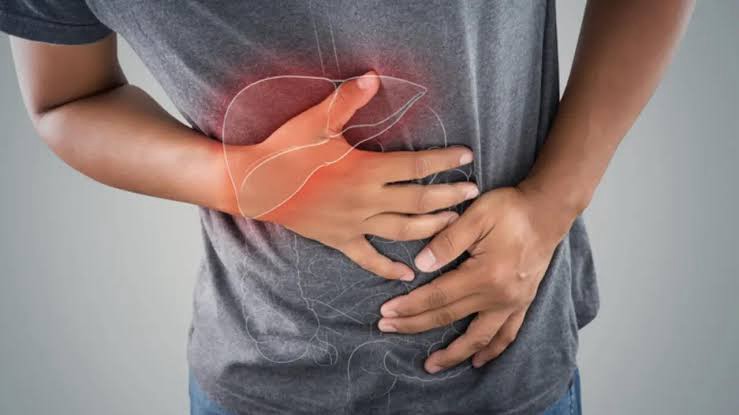
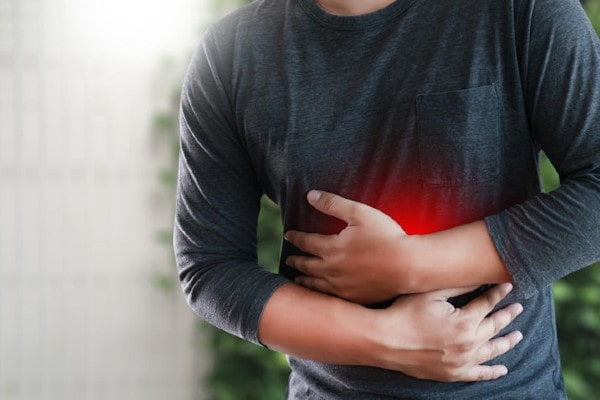
Alcohol and smoking are two lifestyle factors that can significantly affect your digestive health. While occasional consumption may not cause immediate harm, chronic alcohol use and smoking can lead to serious gastrointestinal (GI) issues, including acid reflux, ulcers, liver disease, and an increased risk of gastrointestinal cancers.
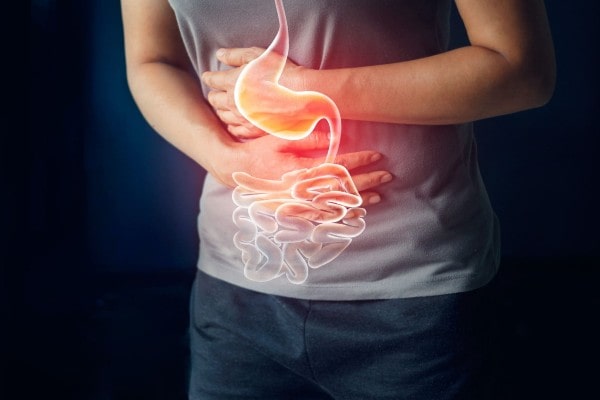
If you experience digestive discomfort, bloating, heartburn, or other GI symptoms, it's essential to understand how these habits impact your digestive system and seek medical guidance.
Effects of Alcohol on Digestive Health
- Irritation of the Esophagus and Stomach
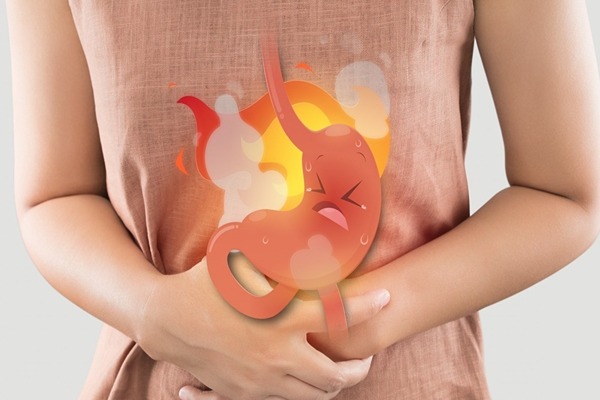
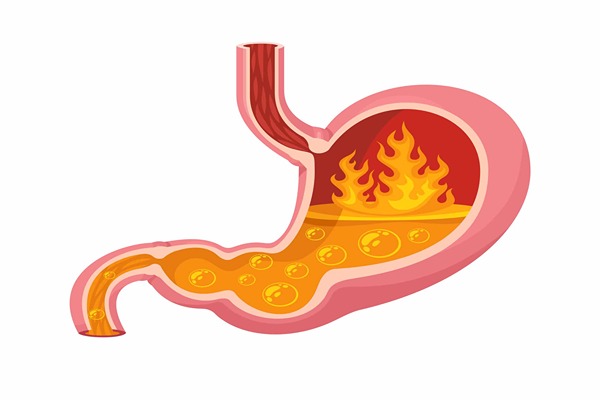
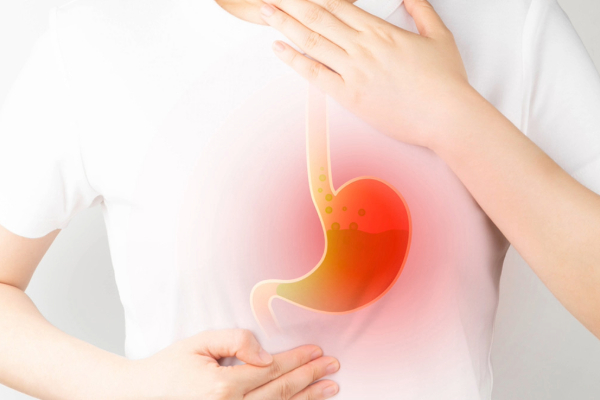
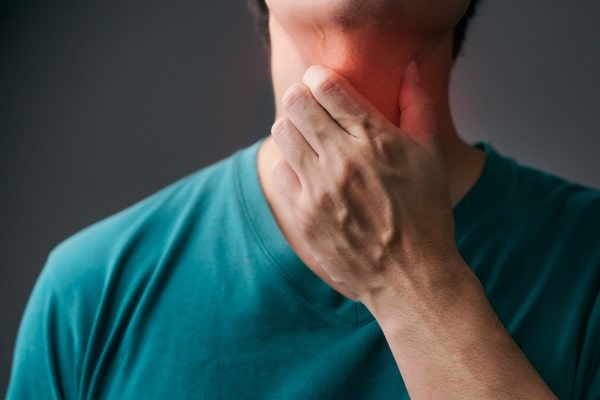
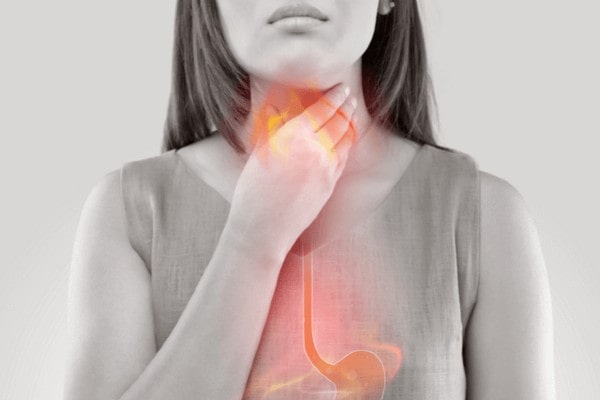
Alcohol is highly acidic and can irritate the lining of the esophagus and stomach, leading to conditions such as:- Gastroesophageal reflux disease (GERD): Alcohol weakens the lower esophageal sphincter (LES), allowing stomach acid to flow back into the esophagus, causing heartburn and irritation.
- Gastritis: Chronic alcohol consumption can cause inflammation of the stomach lining, leading to pain, nausea, and vomiting.
- Esophageal damage: Excessive alcohol consumption can lead to esophagitis, which increases the risk of Barrett’s esophagus and esophageal cancer.
- Increased Risk of Ulcers
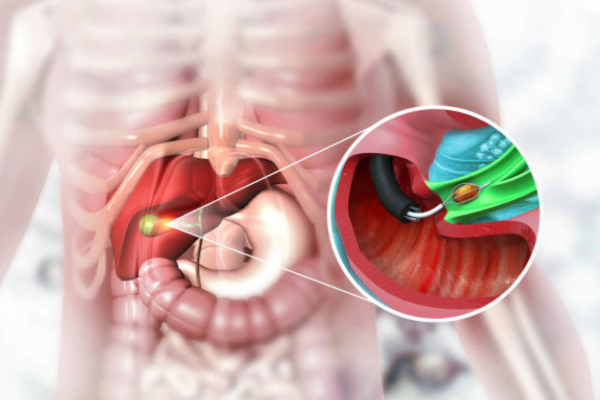
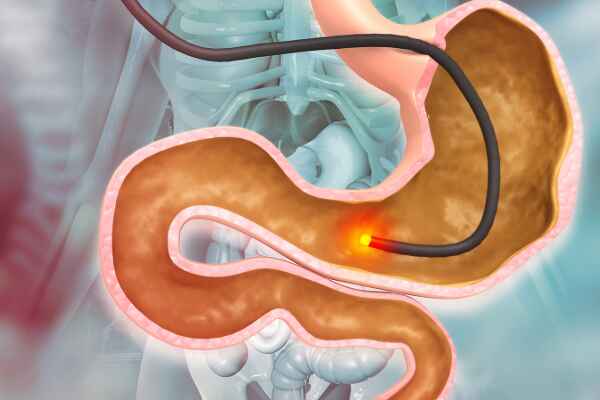
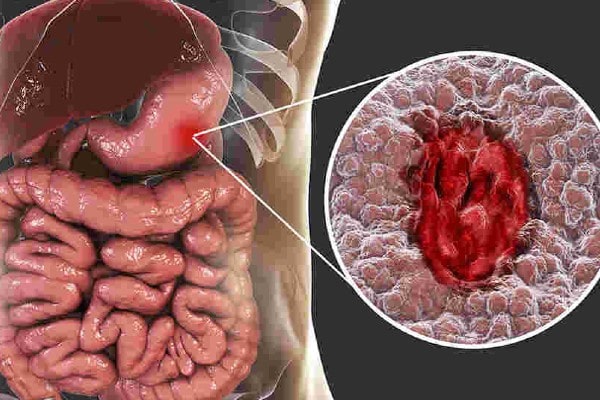
Alcohol stimulates acid production in the stomach, which can erode the stomach lining and contribute to the formation of peptic ulcers. These ulcers can cause:- Burning stomach pain
- Nausea and vomiting
- Bleeding in the digestive tract (black stools or vomiting blood)
- Damage to the Liver
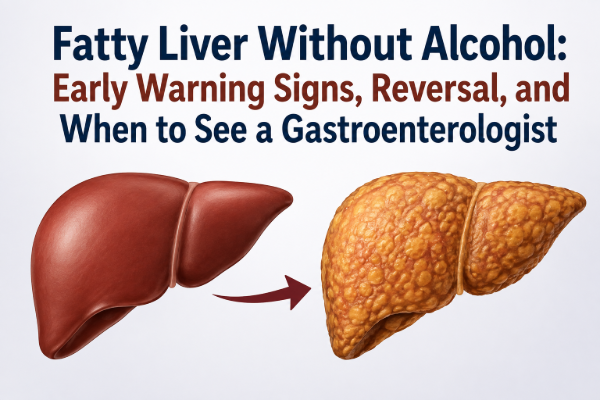
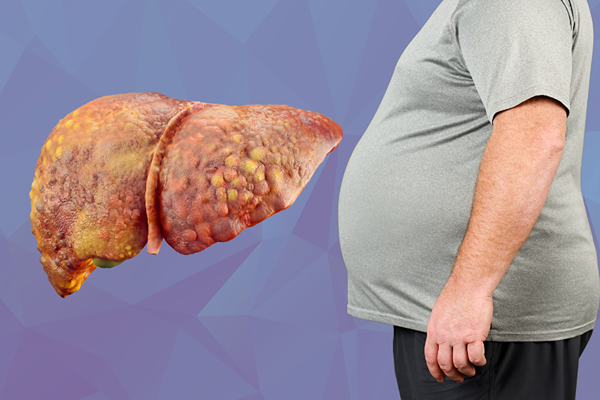
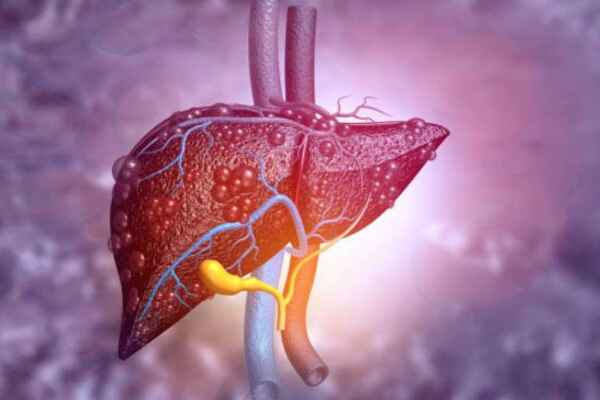
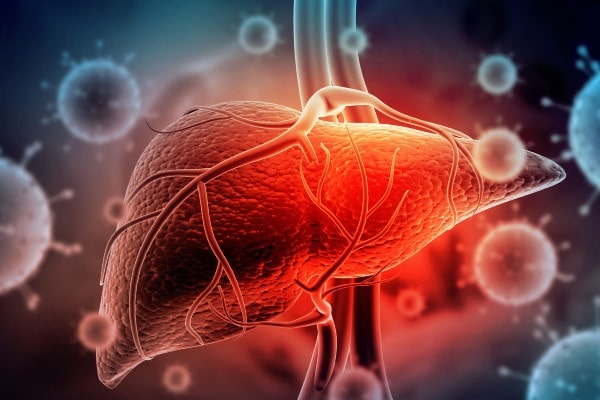
The liver is responsible for metabolizing alcohol, but excessive drinking overwhelms this process, leading to:- Fatty liver disease: A buildup of fat in liver cells that can progress to inflammation.
- Alcoholic hepatitis: Inflammation of the liver due to prolonged alcohol consumption.
- Liver cirrhosis: Permanent scarring of the liver that can lead to liver failure.
- Disruption of Gut Microbiome
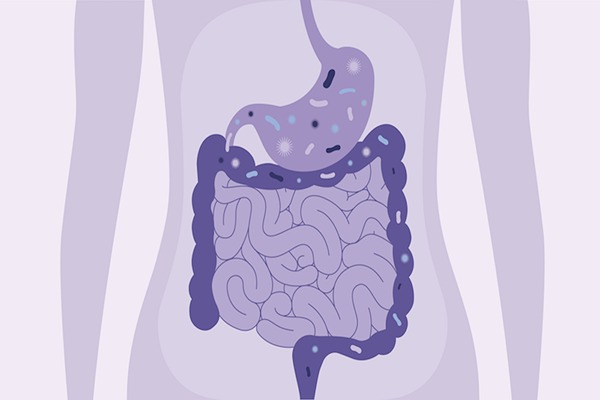
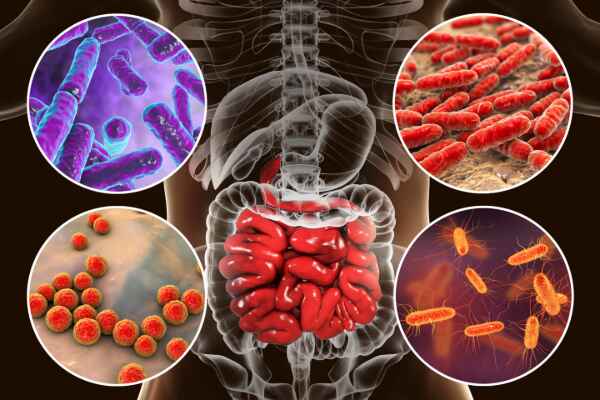
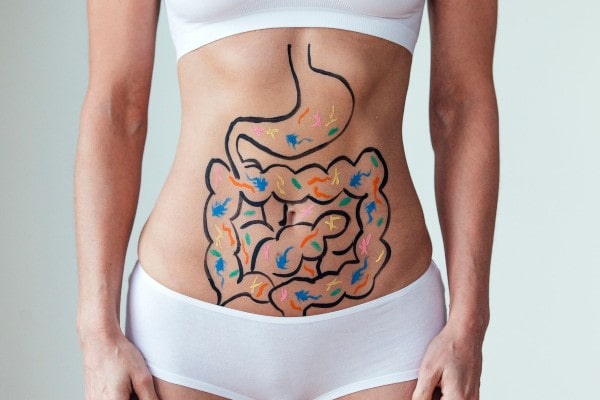
Alcohol disrupts the balance of good bacteria in the gut, leading to:- Dysbiosis (imbalance in gut bacteria), which can cause bloating, diarrhea, and poor digestion.
- Leaky gut syndrome, where the intestinal lining becomes more permeable, allowing toxins to enter the bloodstream and cause inflammation.
- Increased Risk of Pancreatitis
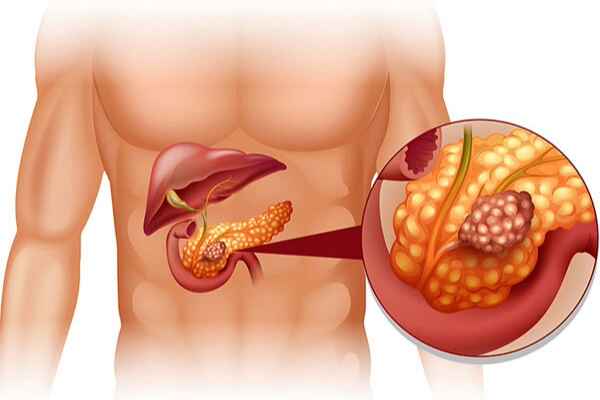
Alcohol abuse can inflame the pancreas, leading to acute or chronic pancreatitis, a painful condition that affects digestion and insulin production.
Effects of Smoking on Digestive Health
- Increased Acid Reflux and GERD
Smoking weakens the lower esophageal sphincter (LES), similar to alcohol, allowing stomach acid to move up into the esophagus. This can cause:- Frequent heartburn
- Chronic coughing
- Increased risk of Barrett’s esophagus and esophageal cancer
- Delayed Stomach Emptying
Smoking reduces gastric motility, leading to slower digestion and an increased risk of bloating, indigestion, and nausea. - Increased Risk of Peptic Ulcers
Nicotine stimulates stomach acid production, which can lead to stomach and duodenal ulcers. Smokers also have slower ulcer healing and a higher risk of complications like bleeding and perforation. - Higher Risk of Crohn’s Disease
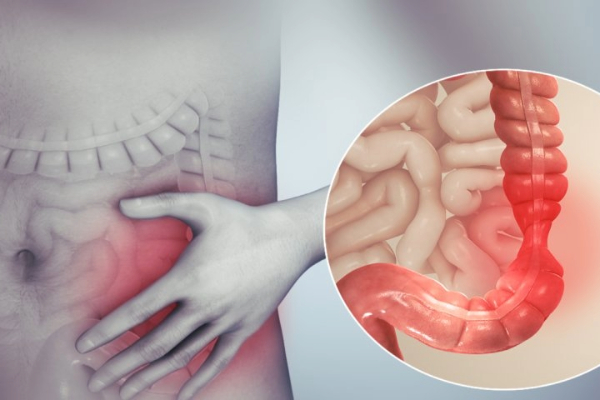
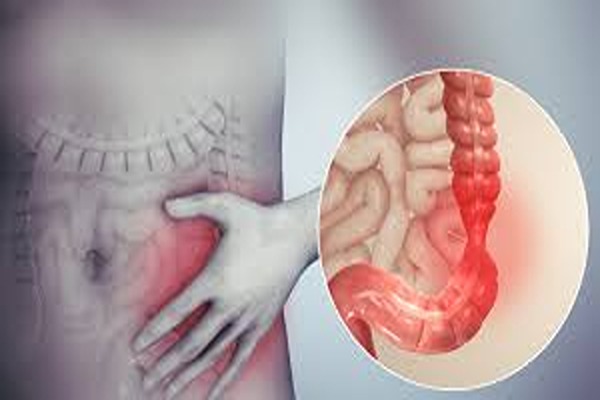
Smoking is a major risk factor for Crohn’s disease, a chronic inflammatory bowel disease (IBD) that causes:- Severe abdominal pain
- Diarrhea
- Weight loss
- Intestinal damage requiring surgery
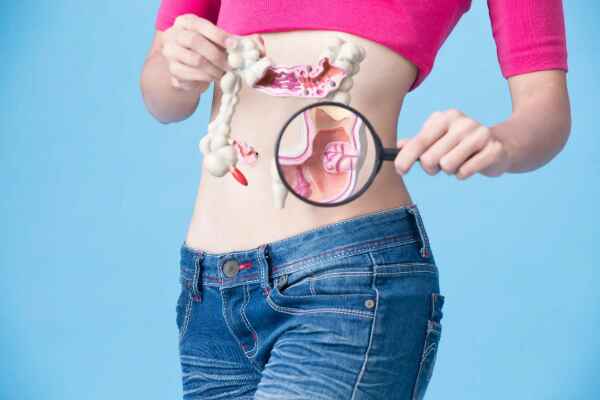
- Increased Risk of Colon Cancer
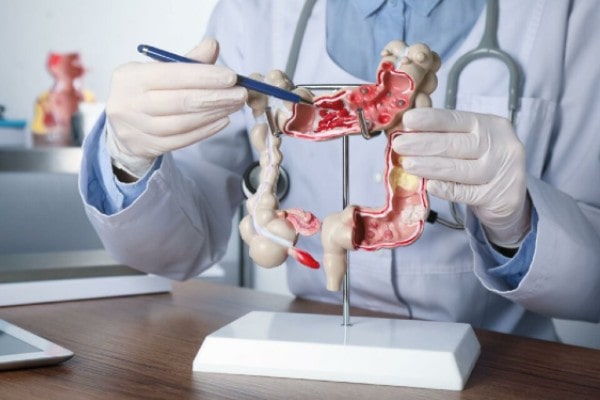
Smoking contributes to DNA damage and inflammation, increasing the risk of colorectal cancer. It also affects gut motility, leading to irregular bowel movements and constipation.
How to Protect Your Digestive Health
- Reduce or quit smoking and drinking: This is the most effective way to protect your digestive system.
- Eat a healthy diet: Increase fiber intake with fruits, vegetables, and whole grains.
- Stay hydrated: Drink plenty of water to support digestion.
- Manage stress: Chronic stress can worsen digestive symptoms.
- Exercise regularly: Physical activity promotes healthy digestion.
- Seek medical advice: If you experience persistent digestive issues, consult a specialist.
Final Thoughts
Both alcohol and smoking can severely impact your digestive system, leading to acid reflux, ulcers, liver disease, and an increased risk of GI cancers. If you experience frequent digestive discomfort, it's essential to take steps to reduce or quit these habits.
For expert diagnosis and personalized treatment, contact Dr. Aditya Shah, the best gastroenterologist in Chennai. Take the first step towards a healthier digestive system today!