Hidden Warning Signs of Colon Cancer: When Should You See a Gastroenterologist?
Colon cancer is becoming increasingly common among adults, including younger individuals below the age of 50. One of the biggest challenges with this disease is that it often develops silently, producing mild symptoms that are easily mistaken for piles, indigestion, constipation, or simple stomach infections. Unfortunately, delaying medical evaluation may allow the disease to progress into advanced stages.
The encouraging news is that colon cancer is one of the most preventable and treatable cancers when detected early. Routine screening, timely diagnosis, and awareness of warning signs significantly improve treatment outcomes.
If you experience persistent digestive symptoms, consulting an experienced Gastroenterologist in Chennai can help identify the underlying cause before serious complications develop.
What is Colon Cancer?
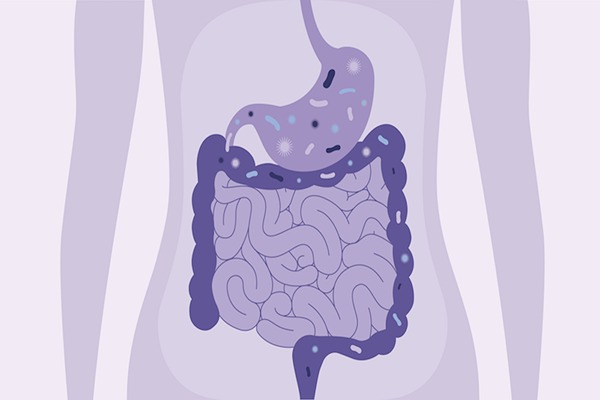
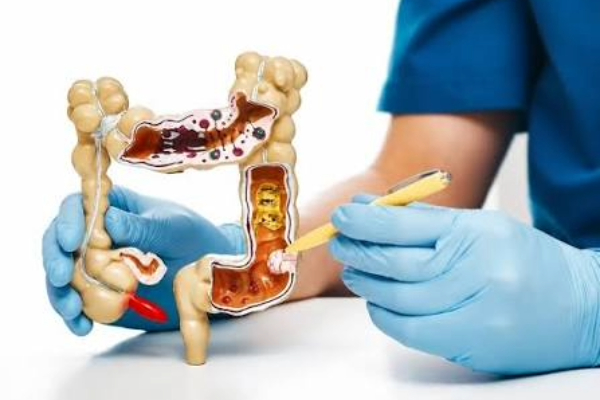
Colon cancer begins in the large intestine (colon), which forms the final part of the digestive tract. Most colon cancers develop from small, non-cancerous growths called polyps.
Over several years, these polyps may gradually transform into cancer. Fortunately, removing polyps during a colonoscopy can prevent cancer from developing.
This is why screening plays such an important role in prevention.
Why is Colon Cancer Increasing?
Several lifestyle changes have contributed to the rising number of colon cancer cases worldwide.
Common risk factors include:
- Low-fiber diet
- Processed food consumption
- Obesity
- Lack of exercise
- Smoking
- Excess alcohol
- Diabetes
- Family history
- Inflammatory bowel diseases
- Increasing age
Recent studies have also shown an increase in colon cancer among younger adults, making early awareness even more important.
Early Warning Signs You Should Never Ignore
Many symptoms appear gradually and persist for weeks or months.
1. Blood in Stool
Bright red blood or dark-colored stools should never be ignored.
Although piles are a common cause, blood in stool may also indicate:
- Colon polyps
- Colon cancer
- Ulcerative colitis
- Crohn's disease
Medical evaluation is essential to determine the exact cause.
2. Persistent Change in Bowel Habits
If your bowel movements have changed for more than three weeks, consult a gastroenterologist.
Examples include:
- Frequent diarrhea
- Persistent constipation
- Narrow stools
- Feeling of incomplete bowel emptying
3. Unexplained Weight Loss
Losing weight without changing your diet or exercise routine may indicate an underlying digestive disorder.
Colon cancer can interfere with nutrient absorption while increasing the body's energy consumption.
4. Constant Fatigue
Many patients develop iron-deficiency anemia because of slow internal bleeding from the colon.
Symptoms include:
- Weakness
- Tiredness
- Shortness of breath
- Pale skin
5. Abdominal Pain or Cramping
Persistent abdominal discomfort, bloating, or cramps should not be ignored, particularly if accompanied by changes in bowel habits.
6. Feeling That Your Bowel Never Completely Empties
Some patients continue to feel the urge to pass stool even after using the restroom.
This symptom may occur when a tumor partially blocks the colon.
7. Persistent Bloating
Occasional bloating is common.
However, daily bloating lasting several weeks deserves evaluation.
Symptoms That Need Immediate Medical Attention
Seek urgent medical care if you notice:
- Large amounts of rectal bleeding
- Severe abdominal pain
- Persistent vomiting
- Sudden inability to pass stool or gas
- Black, tarry stools
- Rapid unexplained weight loss
Who Should Get Colon Cancer Screening?
Current recommendations suggest screening for average-risk adults beginning at 45 years of age, though earlier testing may be advised for people with additional risk factors.
You may require earlier screening if you have:
- Family history of colon cancer
- Colon polyps
- Ulcerative colitis
- Crohn's disease
- Genetic syndromes
- Persistent digestive symptoms
An experienced Gastroenterologist in Teynampet, Chennai can recommend the most appropriate screening schedule based on your medical history.
How is Colon Cancer Diagnosed?
Several investigations help detect colon cancer.
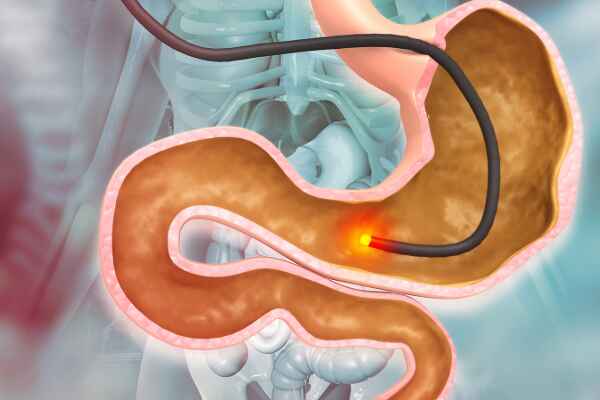
Colonoscopy
This is considered the gold standard.
A flexible camera examines the entire colon, allowing doctors to:
- Detect polyps
- Remove suspicious growths
- Perform biopsies
Stool Tests
Certain stool tests can detect hidden blood or abnormal DNA changes.
CT Scan
Imaging helps determine whether cancer has spread.
Blood Tests
These may identify anemia or evaluate overall health before treatment.
Can Colon Cancer Be Prevented?
Yes.
Many cases are preventable through healthy lifestyle choices.
Eat More Fiber
Include:
- Fruits
- Vegetables
- Whole grains
- Millets
- Beans
Exercise Regularly
Aim for at least 30 minutes of moderate physical activity most days of the week.
Maintain Healthy Weight
Obesity significantly increases the risk.
Quit Smoking
Smoking damages the digestive tract and increases cancer risk.
Limit Alcohol
Reducing alcohol consumption supports overall digestive health.
Attend Regular Screening
Removing polyps early prevents cancer development.
Importance of Early Diagnosis
When colon cancer is detected in its earliest stages:
- Treatment is simpler
- Surgery is often curative
- Survival rates are significantly higher
- Complications are reduced
- Recovery is faster
Ignoring symptoms can allow the disease to spread to nearby organs or distant sites.
Why Choose Dr. Aditya Shah?
Digestive symptoms should never be ignored, particularly when they persist or recur.
Dr. Aditya Shah is a highly experienced Consultant Gastroenterologist and Hepatologist in Chennai, offering comprehensive evaluation and treatment for a wide range of digestive disorders, including:
- Colon cancer screening
- Colonoscopy
- Digestive disease diagnosis
- Liver diseases
- Acid reflux
- Inflammatory bowel disease
- Gastrointestinal bleeding
- Pancreatic disorders
Patients benefit from evidence-based care, advanced diagnostic techniques, and personalized treatment plans focused on achieving the best possible outcomes.
When Should You Book an Appointment?
Consult a gastroenterologist if you have:
- Blood in stool
- Persistent constipation
- Chronic diarrhea
- Unexplained weight loss
- Ongoing abdominal pain
- Family history of colon cancer
- Persistent bloating
- Iron-deficiency anemia
Early evaluation may save lives.
Frequently Asked Questions
Is colon cancer common in younger adults?
Yes. Cases among people under 50 have increased in recent years, making early recognition of symptoms especially important.
Does blood in stool always mean colon cancer?
No. Blood in stool may result from hemorrhoids, anal fissures, infections, inflammatory bowel disease, or colon cancer. Proper evaluation is necessary to identify the cause.
Is colonoscopy painful?
Most colonoscopies are performed under sedation, and patients generally experience little to no discomfort during the procedure.
How often should I undergo colon cancer screening?
For individuals at average risk, screening generally begins at age 45. The frequency depends on findings and personal risk factors, so consult your gastroenterologist for individualized advice.
Can colon cancer be cured?
Yes. When detected early, colon cancer has a high cure rate, especially if treated before it spreads.
Which doctor should I consult for colon cancer symptoms in Chennai?
If you experience persistent digestive symptoms or need colon cancer screening, consult Dr. Aditya Shah, Consultant Gastroenterologist and Hepatologist in Chennai, for expert evaluation and advanced gastrointestinal care.