Irritable Bowel Syndrome (IBS) — Understanding the Modern Gut Disorder
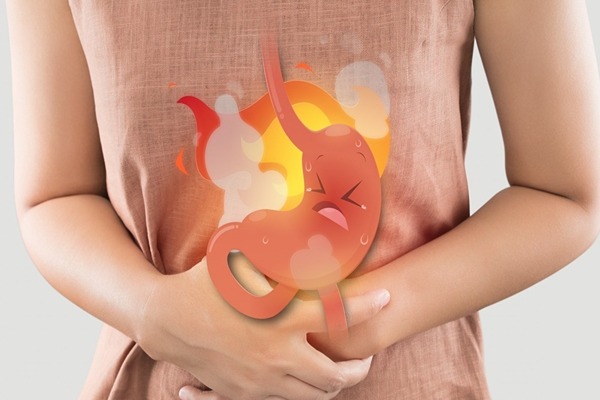
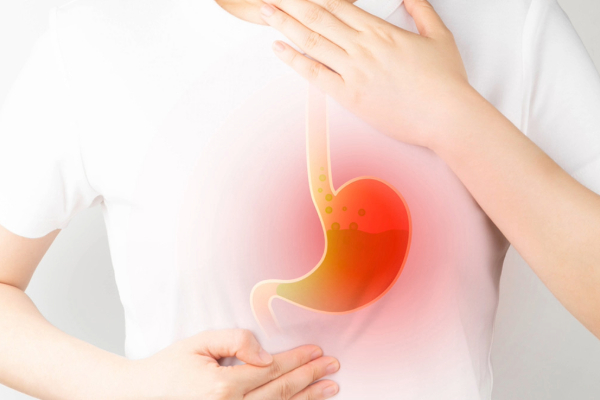
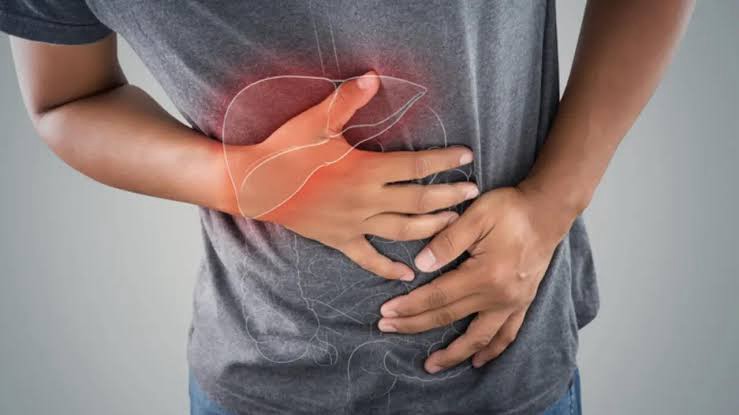
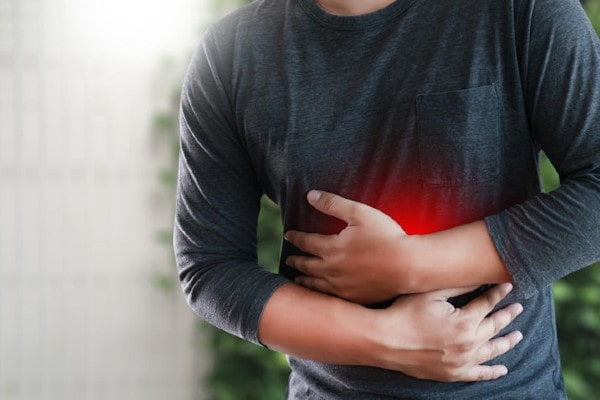
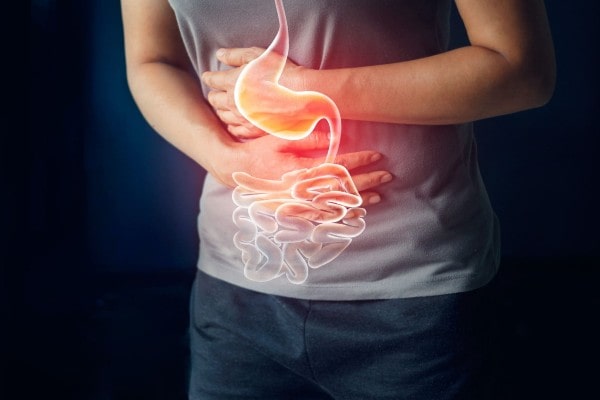
Do you frequently feel gassy, bloated, or have intermittent stomach pain? Do you have erratic digestion? Is it good one day and problematic the next?
If so, you may be suffering from Irritable Bowel Syndrome (IBS), one of the most prevalent but poorly understood digestive disorders worldwide.
Although IBS doesn't directly harm the gut, it has a significant impact on your eating patterns, social life, and even mental health.
IBS problems are becoming more prevalent among young professionals and older adults in Chennai due to the city's fast-paced lifestyle, erratic eating habits, and increased stress levels.
IBS patients are regularly treated by Dr. Aditya Shah, a renowned consultant gastroenterologist and hepatologist in Teynampet, Chennai, who stresses that the illness is a legitimate medical issue and not "just stress" or "something in your head."
The first step to alleviation is having a proper understanding of it.
IBS: What Is It?
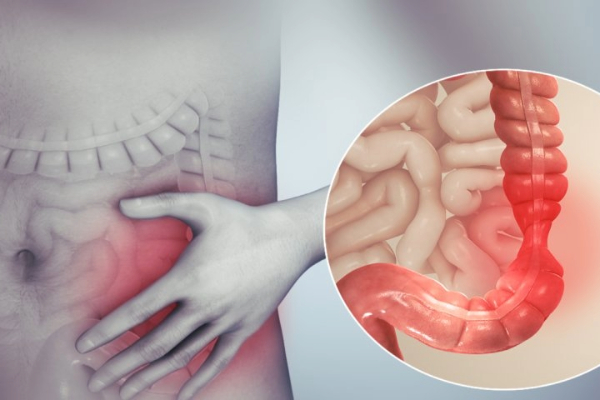
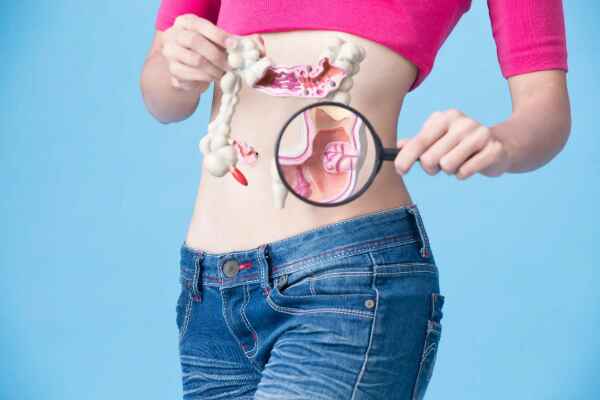
As a functional gastrointestinal disorder, irritable bowel syndrome (IBS) causes the digestive tract to appear normal on medical tests but not function properly.
Recurrent stomach pain, bloating, and changes in bowel habits—constipation, diarrhoea, or both alternating—are its hallmarks.
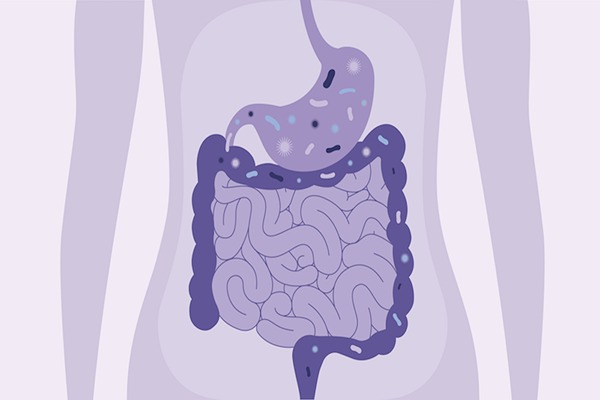
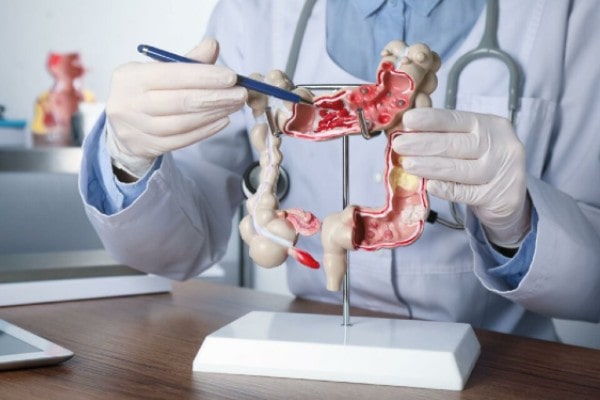
IBS is thought to be caused by a combination of factors and affects the colon, or large intestine:
- Unusual contractions of the gut muscles
- Intestinal nerve hypersensitivity
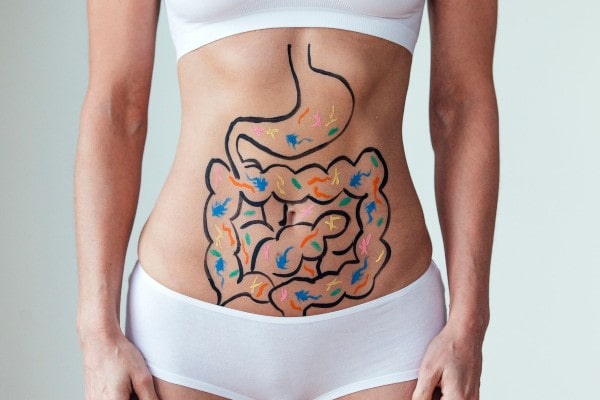
- Alterations in intestinal microbes
- Problems with brain-gut communication
- Stress and food intolerances
Although the illness doesn't raise the risk of cancer or create irreversible intestinal damage, it can have a big impact on everyday comfort and mental health.
IBS Types
The symptoms of IBS might vary from person to person. Usually, doctors classify it according to bowel habits:
- IBS with Constipation (IBS-C): Infrequent bowel motions, hard or lumpy stools, and straining.
- IBS with Diarrhoea (IBS-D): Frequent loose stools, urgency, and cramping.
- IBS Mixed Type (IBS-M): Constipation and diarrhoea alternate.
- IBS-U (Unclassified IBS): Symptoms are difficult to categorise.
Your doctor can prescribe the best diet and treatment if they are aware of your IBS pattern.
Typical IBS Symptoms
Although the severity and frequency of IBS symptoms might vary, the following are the most common ones:
- Cramps or pain in the abdomen that usually goes away following a bowel movement
- Feelings of fullness or bloating
- Too much gas or belching
- Diarrhoea or constipation, or both
- The stool's mucus
- Weariness and restless nights
- Feeling queasy
- A persistent sensation that the bowel isn't completely empty
Fever, bleeding, or weight loss are not symptoms of IBS; if you have any of these, see your gastroenterologist right away as they could be signs of another illness.
What Leads to IBS?
Although the precise cause of IBS is unknown, it most likely stems from a number of interrelated factors.
1. Dysfunction of the Gut-Brain Axis
The gut and brain connect via nerves, hormones, and chemical signals. These signals can be changed by stress or anxiety, which can affect how your intestines contract and feel pain.
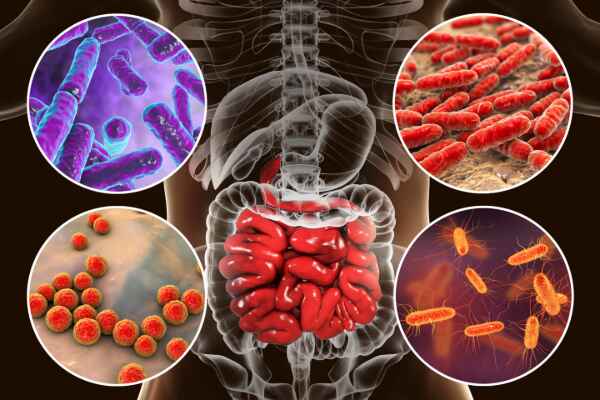
2. Modified Microbiota in the Gut
Your gut's "good" and "bad" bacterial balance affects inflammation, mood, and digestion. IBS symptoms may be brought on by an imbalance (dysbiosis).
3. Sensitivities to Food
Certain foods can irritate the intestines and result in bloating or discomfort, particularly spicy foods, coffee, and dairy products.
4. Hormonal Alterations
IBS is more prevalent in women, and because of hormonal changes, it frequently gets worse during menstruation.
5. Infections
Post-infectious IBS is the term for IBS that some people get after having a serious stomach illness.
6. Stress
Prolonged stress changes motility and makes the gut more sensitive. Because of this, a lot of IBS flare-ups occur during stressful situations.
IBS in Relation to Chennai Culture
Chennai's dynamic urban culture is rich of cultural appeal, but it also presents certain lifestyle issues that may aggravate or cause IBS:
- Spicy and greasy diets: Frequent intake of masala-heavy cuisine and fried snacks can irritate sensitive intestines.
- Heat and dehydration: Chennai's environment might exacerbate diarrhoea or constipation by causing water loss and electrolyte imbalance.
- Workplace stress: Digestion is impacted by the strain of lengthy commutes, deadlines, and irregular meals.
- Unusual eating habits: Large quantities, late dinners, and skipping breakfast all throw off the stomach rhythm.
- High use of antibiotics: Excessive use for mild infections can upset the balance of gut flora.
Recognizing these triggers helps individuals take preventive steps toward better gut health.
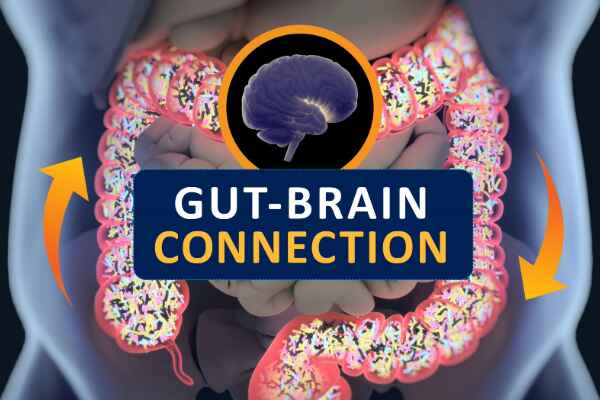
IBS and the Gut-Brain Connection
A gut-brain interaction dysfunction is a common description of IBS. Your intestines contain around 500 million neurons, frequently nicknamed the “second brain.”
Even for minor intestinal stretching, these neurones cause the brain to receive heightened pain or discomfort signals when the gut is under stress.
This clarifies why:
- When under stress or experiencing mental anguish, IBS symptoms frequently get worse.
- Relaxation, mindfulness, or treatment typically relieves symptoms.
- Most people are unaware of the connection between digestive and mental health.
IBS Diagnosis
IBS is diagnosed primarily by evaluating symptoms and ruling out other conditions because it doesn't cause obvious intestinal damage.
1. Medical Background
Your doctor can evaluate IBS patterns with the help of a thorough history of symptoms, including frequency and duration.
2. Rome IV Requirements
Doctors use these criteria to diagnose IBS:
For the past three months, at least one day a week has been marked by abdominal pain.
Connected to two or more of these:
- Concerning bowel motions
- Alteration in the frequency of stools
- Stool appearance change
3. Examinations to Eliminate Additional Conditions
Tests could consist of:
- Blood testing (for inflammation, thyroid, or anaemia)
- Stool testing (for blood or illness)
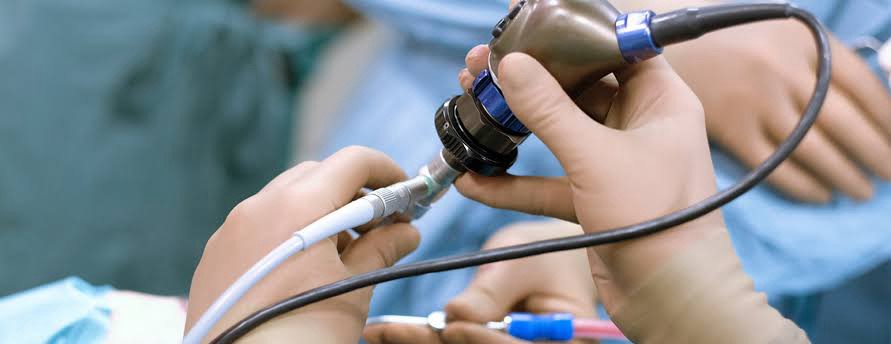
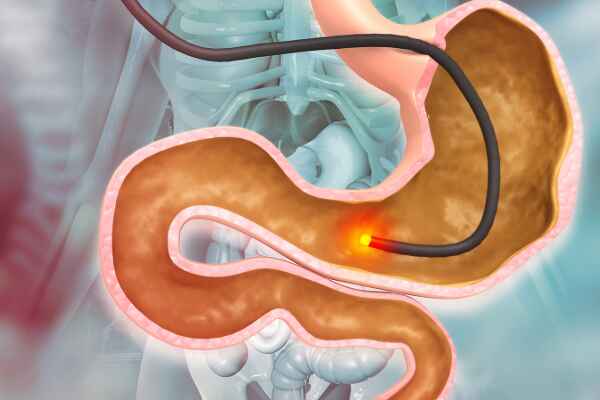
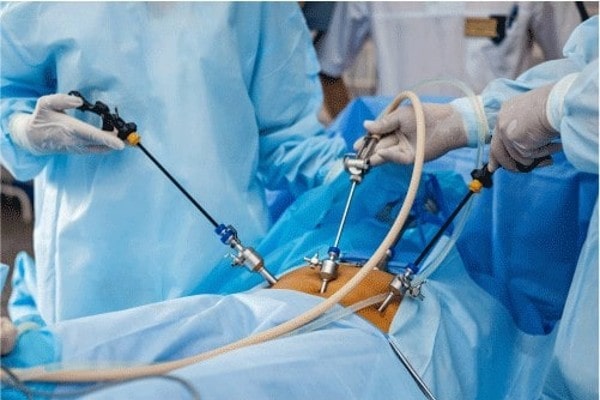
- Colonoscopy or endoscopy (if necessary to rule out cancer, ulcers, or IBD)
One of Chennai's top gastroenterologists, Dr. Aditya Shah, uses focused testing in conjunction with symptom analysis to guarantee a precise diagnosis.
Therapy and Handling
Although there isn't a single treatment for IBS, symptoms can be successfully managed with dietary modifications, lifestyle modifications, and medical supervision.
1. Dietary Adjustments
IBS symptoms have been successfully reduced by the Low FODMAP Diet.
Fermentable carbohydrates known as FODMAPs can result in bloating and gas.
Avoid high-FODMAP foods like:
- Garlic, onions, and wheat
- Apples, mangoes
- Cheese and milk (high in lactose)
- Lentils with beans
- Carbonated drinks
Add alternatives with low FODMAPs:
- Quinoa, oats, and rice
- Bananas, papayas, oranges
- Cucumbers, spinach, and carrots
- Curd or yoghurt without lactose
It’s preferable to follow this under medical supervision since it requires scheduled elimination and reintroduction phases.
2. Regular Eating Habits
Avoid missing meals, chew food slowly, and eat smaller meals more frequently.
3. Drinking Enough Water
To promote digestion and relieve constipation, drink lots of water. This is especially crucial in Chennai's hot climate.
4. Control Your Stress
Include methods of relaxation such as yoga, meditation, or deep breathing.
Your gut and nervous system can be calmed in as little as 15 minutes a day.
5. Exercise Regularly
Stress is reduced and bowel movements are improved by swimming, walking, and mild yoga.
6. Drugs
What your gastroenterologist might recommend:
- Antispasmodics: To alleviate cramps
- Laxatives or fiber supplements: For constipation
- Drugs to prevent diarrhoea: For IBS-D
- Probiotics: To replenish beneficial bacteria in the gut
- Antidepressants at low doses: For gut-brain communication
7. Psychotherapy
For chronic IBS, gut-directed hypnotherapy and cognitive-behavioral therapy (CBT) have shown promise.
Managing IBS: Useful Advice
- Keep a food diary. Track what you eat and how your body reacts.
- Eat mindfully. Avoid eating in a hurry or when emotionally upset.
- Limit caffeine and alcohol. Both can worsen bowel sensitivity.
- Include probiotic foods. Buttermilk, curd, and fermented rice are excellent traditional options in Chennai.
- Get adequate sleep. Poor sleep aggravates gut dysfunction.
- Avoid smoking. Nicotine irritates the intestines.
- Seek support. IBS is common - sharing experiences lessens stress.
IBS and Mental Health
IBS and anxiety often exist in a two-way loop:
- IBS symptoms generate stress and humiliation.
- Anxiety affects gut function, producing a vicious cycle.
Breaking this loop through therapy, relaxation, and open talk is crucial to long-term management.
Dr. Aditya Shah stresses addressing both physical and emotional elements of IBS for sustainable recovery.
When to See a Doctor
You should contact a gastroenterologist if you have:
- Persistent abdominal pain for more than 3 months
- Change in bowel habits
- Stool containing blood
- Unaccounted-for weight loss
- Family history of intestinal disease
- Despite using home cures, there is no relief
Serious problems including ulcers, IBD, or colon cancer can be ruled out with early assessment.
Professional Advice's Significance
Random medication and self-diagnosis can exacerbate IBS. Because each person's triggers are different, treating the illness requires a customised strategy.
Dr. Aditya Shah, a top gastroenterologist and hepatologist in Chennai, offers each patient a thorough evaluation and individualised care.
His therapy regimens frequently consist of:
- Nutritional guidance
- Restoration of the gut microbiome
- Programs for changing one's lifestyle
- Techniques for managing stress and sleep
Instead of only treating the symptoms, this combo tackles the underlying problem.
IBD vs IBS: The Main Distinction
IBD (Inflammatory Bowel Disease) and IBS (Irritable Bowel Syndrome) are frequently confused.
A brief distinction is as follows:
|
Feature |
IBS |
IBD |
|---|---|---|
|
Nature |
Disorder of function (no tissue injury) |
Inflammatory illness (damage that is apparent) |
|
Signs and Symptoms |
Pain, bloating, irregular stools |
Fatigue, fever, pain, and bleeding |
|
Examinations |
Typical endoscopic |
Endoscopy-observed inflammation |
|
Danger |
No chance of cancer |
Could raise the risk of cancer |
|
Therapy |
Symptom-based, lifestyle, and occasionally medical |
Medical and surgical in some cases |
Being aware of the distinction helps prevent needless worry.
Myths and Facts About IBS
|
Myth |
Fact |
|---|---|
|
IBS is a psychological condition. |
Although stress is a factor, IBS has actual physical causes. |
|
I can't eat out because of IBS. |
You can, if you prepare ahead and make wise food choices. |
|
IBS only affects women. |
Although it affects women more frequently, men are also severely impacted. |
|
IBS is incurable and permanent. |
With the correct care, symptoms can be treated effectively. |
|
IBS is cured by medication alone. |
It is a gut-brain and lifestyle issue that responds best to holistic treatment. |
FAQs
Q1. What is IBS's primary cause?
Stress, nutrition, an imbalance of gut bacteria, and oversensitive intestinal nerves are some of the contributing reasons.
Q2. Can IBS be cured?
Although there isn't a permanent solution, symptoms can be managed and a normal life can be maintained with the right care.
Q3. Can major illnesses result from IBS?
No, IBS does not result in irreversible intestinal damage or cancer.
Q4. If I have IBS, what foods should I stay away from?
Steer clear of dairy, fizzy drinks, caffeine, and foods that are fried, spicy, or heavy in fat.
Q5. Can IBS worsen due to stress?
Indeed, gut sensitivity and motility are directly impacted by emotional stress.
Question 6: Do probiotics help?
Indeed, they can lessen bloating and replenish beneficial intestinal flora.
Q7. How is a diagnosis of IBS made?
Through the clinical history and the use of imaging, stool, and blood testing to rule out other digestive problems.
Q8. Is it typical to have IBS in Chennai?
Yes, IBS is becoming more prevalent as a result of dietary changes, stress in lifestyle, and dehydration brought on by the climate.
Q9. Is yoga beneficial for IBS?
Of course. The gut-brain axis is calmed by yoga, meditation, and deep breathing.
Q10. When is the best time to consult a gastroenterologist?
If symptoms intensify in spite of improvements made to the home or last longer than two to three weeks.
Q11. Is fiber healthy for IBS?
Yes, but go for soluble fibre (bananas, oats) rather than insoluble fibre (raw salad), which can exacerbate bloating.
Q12. Can an IBS flare-up occur during a woman's menstrual cycle?
Yes, IBS symptoms can be made worse by hormonal changes that occur during periods.
In Conclusion
Although it may not result in obvious harm, irritable bowel syndrome can have a significant impact on your day-to-day activities.
The good news? With the correct diet, lifestyle, and medical attention, it is controllable.
You can restore digestive comfort and confidence by paying attention to your body's cues and making tiny, regular changes, such as eating balanced meals, staying hydrated, managing stress, and seeking medical advice.
If you live in Chennai and feel prolonged digestive discomfort, see Dr. Aditya Shah, a prominent Consultant Gastroenterologist and Hepatologist in Teynampet, Chennai.
His tailored and caring approach helps patients regain intestinal equilibrium, ease symptoms, and live life free from IBS distress.
Book Your Gut Health Consultation in Chennai
👨⚕ Dr. Aditya Shah - Consultant Gastroenterologist & Hepatologist
📍 Chennai | Advanced Digestive & Liver Care Clinic
🌐 Website: www.dradityagastro.com