Gallbladder Disorders on the Rise: An Urban Digestive Health Crisis
By Dr. Aditya Shah | Consultant Gastroenterologist & Hepatologist, Ahmedabad
🩺 Introduction: A Summer Surge in Gallbladder Issues
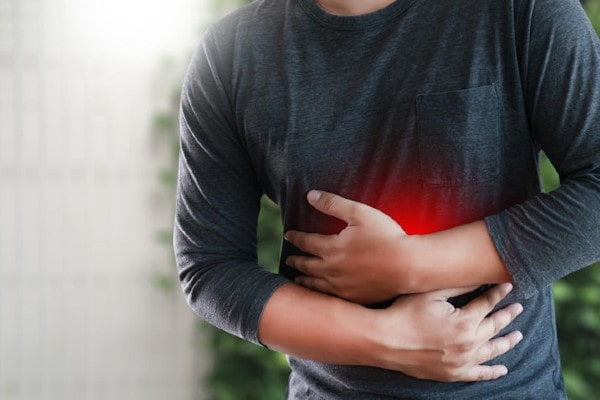
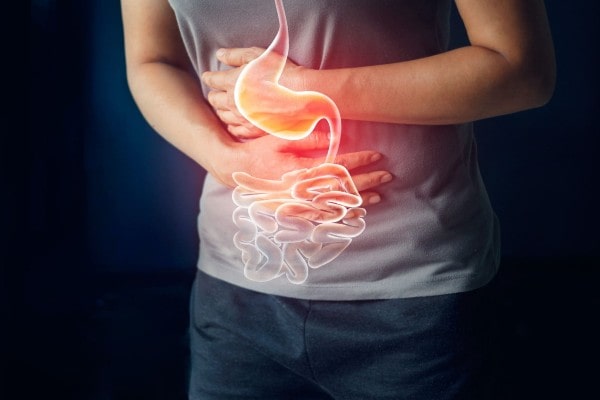
As temperatures rise across India this summer, so too does the number of patients visiting gastroenterology clinics with symptoms like sharp upper abdominal pain, nausea after meals, and unexplained indigestion. A significant cause? Gallbladder disorders—particularly gallstones and cholecystitis—are seeing a notable surge, especially in metro cities like Ahmedabad, Bengaluru, Mumbai, and Delhi.
At our clinic in Ahmedabad, we’ve witnessed a 40–60% rise in gallbladder-related consultations this summer, especially among women, middle-aged adults, and sedentary professionals. While gallbladder disease has long existed in the background, it’s now becoming a visible digestive health concern in India—driven largely by lifestyle, hydration, diet, and climate factors.
🧠 What Is the Gallbladder & Why Does It Matter?
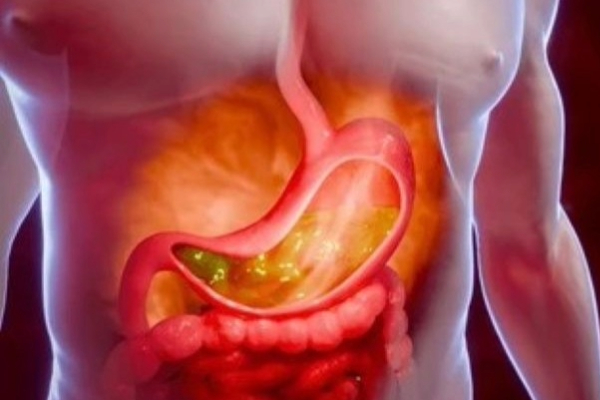
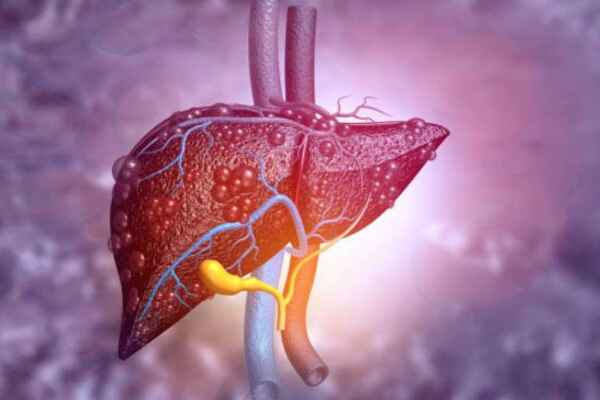
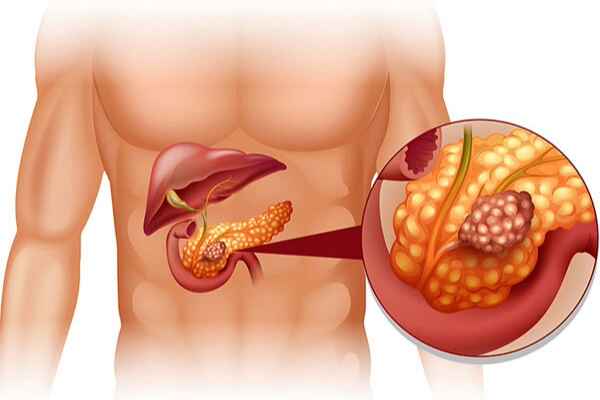
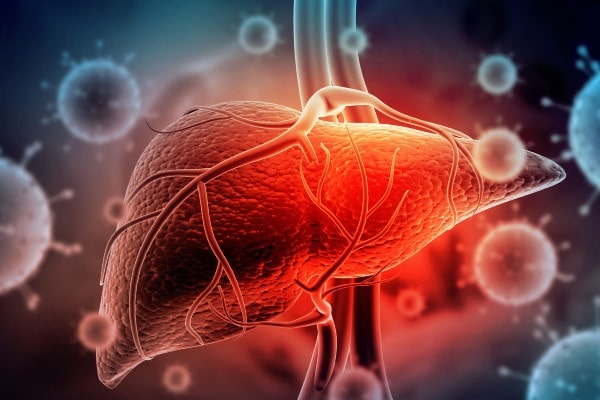
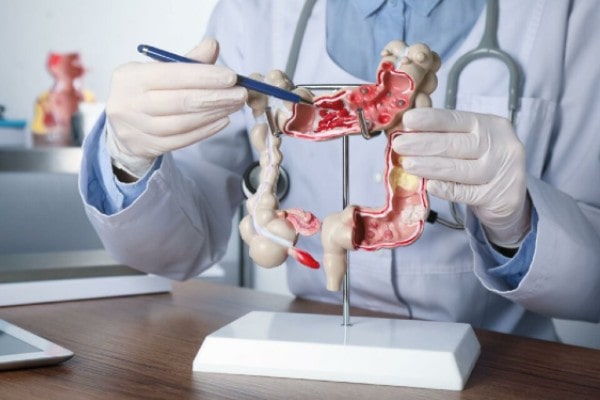
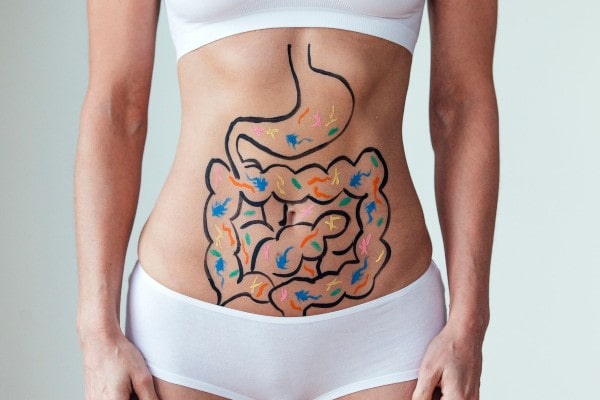
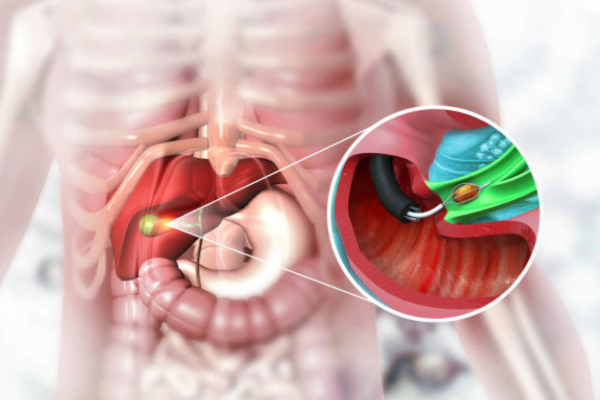
The gallbladder is a small, muscular sac located just beneath the liver. It stores and concentrates bile, a yellow-green fluid made by the liver that helps digest fats. When you eat a meal, especially one rich in fats, your gallbladder contracts and releases bile into your small intestine.
However, when this process is disturbed—whether due to poor bile composition, inadequate emptying of the gallbladder, or chronic inflammation—it can lead to conditions such as:
- Gallstones (Cholelithiasis)
- Acute Cholecystitis (Gallbladder inflammation)
- Choledocholithiasis (Stones in the bile duct)
- Biliary colic and gallbladder dysfunction
📈 Why Are Gallbladder Problems Increasing Now?
Multiple reasons are driving this seasonal and lifestyle-related rise:
- 🔥 Dehydration Due to Summer Heat
- With temperatures crossing 40°C in several Indian cities, dehydration is a major concern.
- Inadequate water intake causes bile to become more concentrated, increasing the likelihood of cholesterol crystal formation—the precursor to gallstones.
- 🍟 High-Fat, Low-Fiber Urban Diets
- Consumption of oily, fried, and processed foods disrupts the delicate bile balance.
- Diets lacking fiber reduce gallbladder motility, encouraging stone formation.
- “Skipping breakfast” or eating irregularly can lead to bile stagnation.
- 🧍 Sedentary Work-from-Home Lifestyles
- Reduced physical activity causes sluggish digestion.
- Obesity and insulin resistance—both risk factors for gallstones—have increased post-pandemic.
- ⚖️ Crash Dieting and Rapid Weight Loss
- In an effort to lose weight quickly before vacations or weddings, many follow extreme low-calorie diets.
- This leads to rapid cholesterol mobilization, which ends up in bile and forms stones.
- 👩⚕ Better Awareness and Diagnostics
- Today, patients with chronic acidity or bloating are more proactive.
- Advances in abdominal ultrasound and MRCP allow early diagnosis of gallstones that were once missed.
⚠️ Recognizing the Symptoms: Don’t Ignore These Red Flags
While some gallstones may remain silent, others can cause significant symptoms. Watch for:
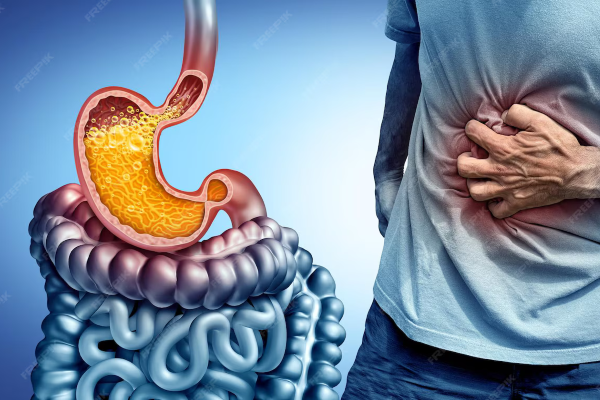
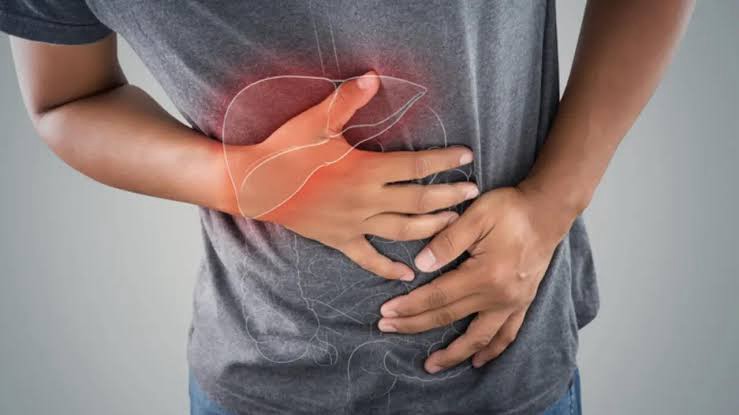
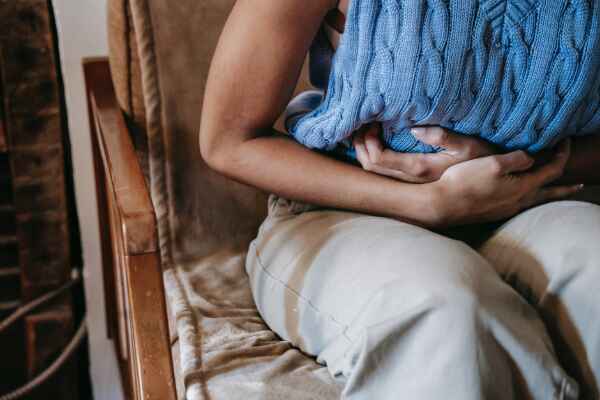
- 🔺 Sudden, sharp pain in the upper right abdomen or center of the belly, especially after eating
- 🤢 Nausea or vomiting
- 💨 Bloating, gas, and indigestion
- 🌡️ Fever and chills (suggests infection)
- 🟡 Yellowing of the skin or eyes (jaundice – a possible bile duct blockage)
If these symptoms last more than a few hours or recur frequently, consult a gastroenterologist immediately.
🧪 Diagnosis: How We Detect Gallbladder Disease
At Dr. Aditya Shah’s clinic, we use a combination of diagnostic tools:
- 🖥 Abdominal Ultrasound
Non-invasive and highly effective at detecting gallstones, gallbladder wall thickening, or sludge. - 🧫 Liver Function Tests (LFTs)
Elevated bilirubin or liver enzymes may suggest a blocked bile duct or inflammation. - 🧲 MRCP (Magnetic Resonance Cholangiopancreatography)
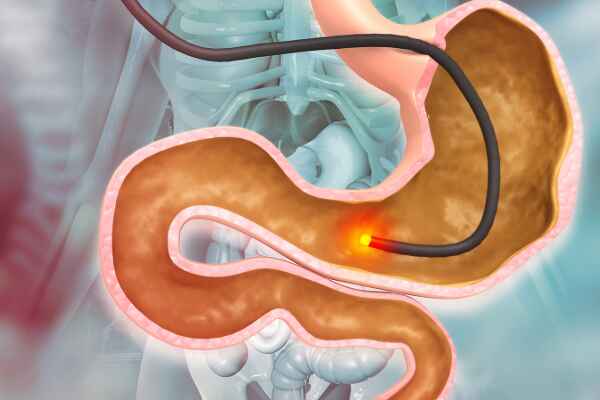
A specialized MRI to evaluate the gallbladder, bile ducts, and pancreatic duct. - 🔬 ERCP (Endoscopic Retrograde Cholangiopancreatography)
A therapeutic tool used if a stone is stuck in the common bile duct. It helps remove the obstruction.
💉 Treatment: What Are Your Options?
- 🟡 Silent Gallstones (No Symptoms):
- May not need surgery right away.
- Lifestyle changes and observation are often enough.
- 🔴 Symptomatic Gallstones:
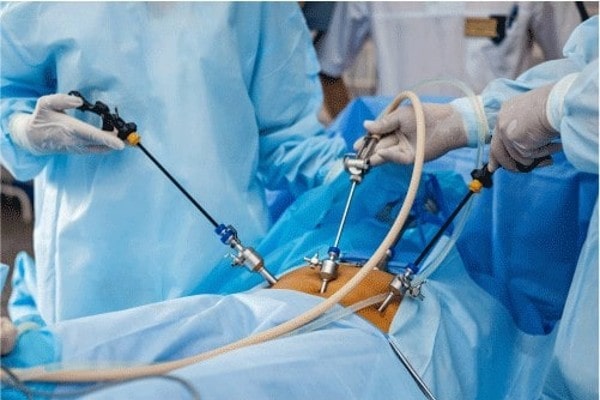
- The gold standard treatment is laparoscopic cholecystectomy (gallbladder removal).
- Minimally invasive, typically a day-care procedure, with fast recovery.
- 🔥 Infected Gallbladder or Complicated Cases:
- Hospital admission, IV antibiotics, and emergency surgery may be required.
- In bile duct stones, ERCP is used before or after surgery to clear the ducts.
🥗 Lifestyle Tips to Prevent Gallbladder Disease
| Lifestyle Habit | Impact on Gallbladder Health |
|---|---|
| 💧 Drink 8–10 glasses of water daily | Keeps bile thin and flowing smoothly |
| 🍎 Eat more fiber (vegetables, fruits, grains) | Improves gallbladder emptying |
| ⛔ Limit fried & oily foods | Reduces cholesterol in bile |
| 🏃♀ 30 min daily activity | Helps regulate digestion & metabolism |
| ⏰ Don’t skip meals | Prevents bile stagnation and sludge formation |
| ⚖️ Maintain a stable weight | Reduces gallstone risk significantly |
👨⚕ Dr. Aditya Shah’s Perspective
“This May, nearly 6 out of every 10 patients we diagnosed with gallbladder stones were under the age of 45. It’s no longer a disease of the elderly. Long hours of sitting, poor hydration, erratic eating, and crash diets are all contributing factors. Fortunately, it’s also one of the most treatable conditions when caught early.”
We encourage patients to prioritize hydration, healthy eating, and routine screening—especially during the peak summer months.
🗓️ When Should You See a Gastroenterologist?
Don't wait for an emergency. Book a consultation if you experience:
- Recurrent right-sided abdominal pain
- Nausea or discomfort after fatty meals
- Jaundice or sudden digestive upset
- Prior history of gallstones or liver disease
Timely diagnosis can help avoid complications like infections, bile duct damage, or pancreatitis.
📌 Conclusion: Take Charge of Your Digestive Health This Summer
Gallbladder problems are becoming a silent epidemic in urban India. The good news? They’re preventable and highly treatable with the right approach.
This May, let’s pledge to care for our gallbladders by:
- Drinking more water
- Eating smarter
- Moving more
- And consulting your doctor early
📍Dr. Aditya Shah – Consultant Gastroenterologist
🌐 Website: www.dradityagastro.com