Gut Health and Immunity — How a Healthy Digestive System Protects You
Have you ever observed how frequently you become sick when your digestive system isn't functioning properly? Whether it's a common cold, a skin rash, or exhaustion, your gut may be more involved than you may realise.
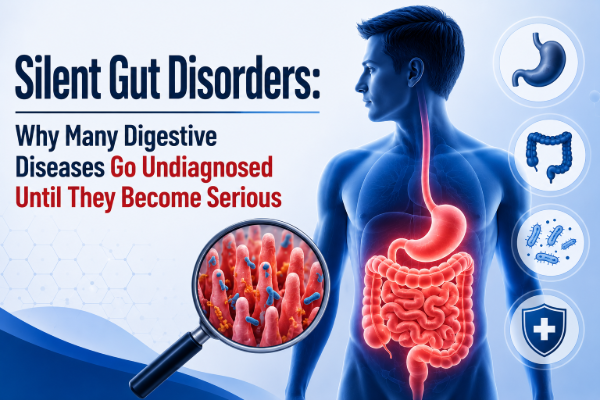
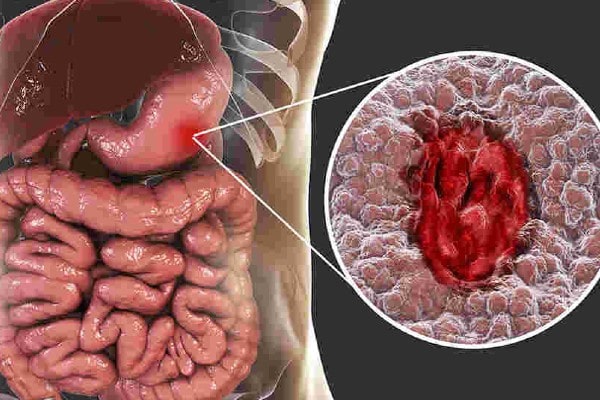
Our digestive system is not just about processing food — it’s home to 70% of the body’s immune system. This implies that a healthy gut also affects immunity.
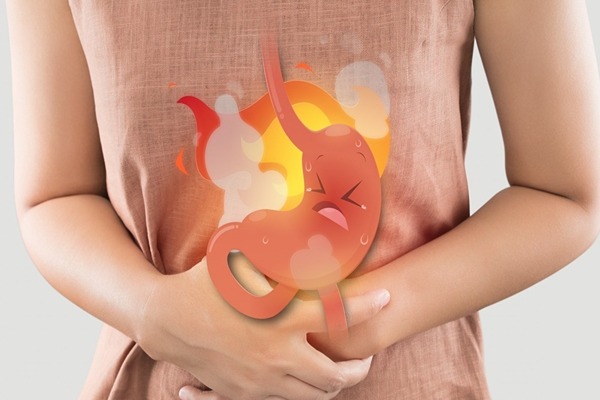
Poor gut health has subtly grown in importance in busy cities like Chennai, where fast food, stress, and pollution are commonplace. Many people experience lethargy, constipation, bloating, or acidity without realising that these symptoms are indicators of a digestive imbalance.
In Teynampet, Chennai, Dr. Aditya Shah is a renowned consultant gastroenterologist and hepatologist who prioritises a comprehensive approach to immunological and digestive health. In order to help the body defend itself naturally, he aims to restore long-term gut balance in addition to treating symptoms.
Knowing the Relationship Between the Gut and Immunity
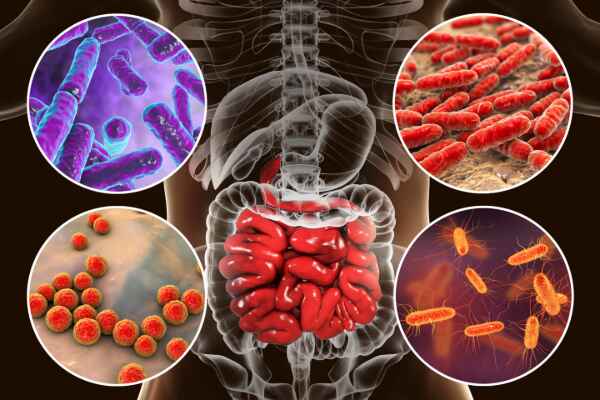
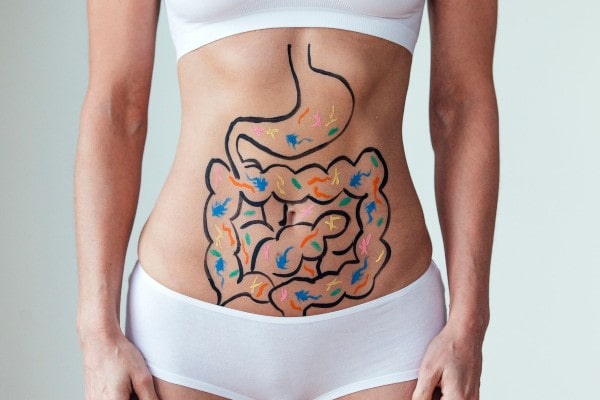
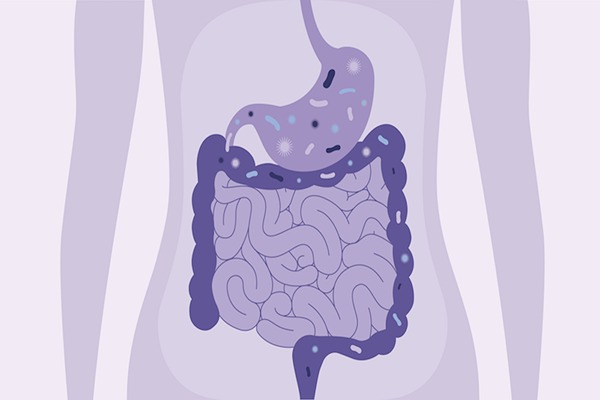
The gut microbiome is made up of trillions of microorganisms and millions of cells that line your digestive track. These microscopic viruses, fungi, and bacteria are crucial for:
- Dissecting food
- Absorptive nutrients
- Making vitamins (such as B12 and K)
- Combating dangerous microorganisms
Your immune system is trained by a healthy gut microbiota to react appropriately, neither too strongly (which results in allergies or autoimmune issues) nor too weakly (which leads to infections).
When this equilibrium is upset, whether by stress, antibiotics, or a bad diet, your immune system deteriorates and you become more susceptible to disease.
How Immunity Is Affected by Gut Health
The gut and immune system communicate continually through a complex network termed the gut-immune axis. Let’s understand how this works:
1. Function of the Barrier
Toxins and dangerous germs are kept out of your bloodstream by the protective barrier that is your intestinal wall. Inflammation spreads throughout the body when this barrier deteriorates, a condition commonly referred to as "leaky gut."
2. Diversity of Microbiomes
Your immune resilience increases with the diversity of your gut flora. This diversity is encouraged by a diet high in natural foods and fibre.
3. Immune Cell Production
The gut contains over 70% of the body's lymphoid tissue, which produces immune cells.
4. Absorption of Nutrients
Important vitamins and minerals that support immune function, including zinc, iron, vitamin D, and B-complex, are absorbed in the stomach.
So, a sluggish or unhealthy gut weakens every layer of defense in your body.
Indications of a Gut Disorder
When something is wrong, your instinct tells you in subtle ways. Some common symptoms include:
- Regular gas or bloating
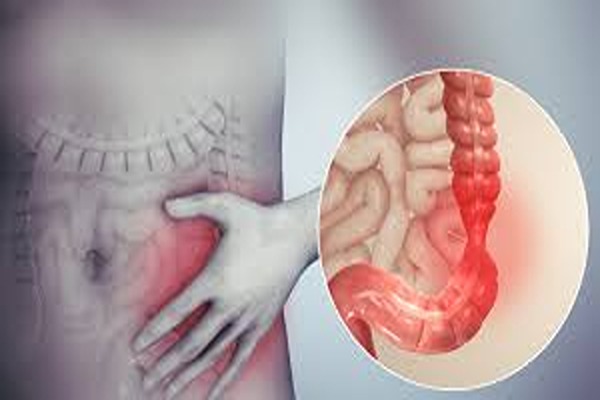
- Diarrhoea or constipation
- Inexplicable exhaustion
- Skin conditions such as eczema or acne
- Sensitivities to certain foods
- Low immunity (frequently getting sick)
- Mood swings or fogginess
If you notice two or more of these regularly, it’s a sign that your gut needs attention.
Why the Lifestyle of Chennai Affects Gut Health
Chennai presents particular dietary and environmental challenges:
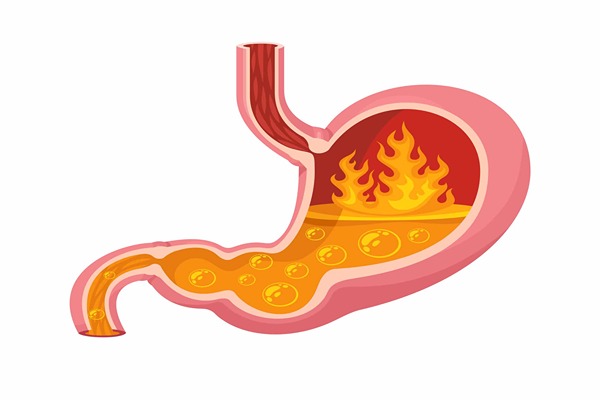
- High levels of spice: While South Indian cuisine is wonderful, it frequently contains tamarind, chilli, and fried foods that can upset the stomach if consumed in excess.
- Unusual eating habits: Street food snacks, late dinners, and skipping breakfast all impair digestion.
- Dehydration and the weather: Chennai's heat causes frequent dehydration, which alters the balance of gut bacteria and bowel movements.
- Lack of sleep and stress: Living in an urban environment raises stress hormones like cortisol, which have a detrimental effect on digestion.
- Misuse of antibiotics: When antibiotics are overused to treat infections, both good and bad gut flora are killed.
Together, these factors make digestive disorders—from IBS and acidity to weakened immunity and persistent exhaustion—very prevalent in urban areas.
How to Improve Gut Health on Your Own
Healthy habits that support your microbiome are the best way to safeguard your gut and immunity.
1. Consume foods high in fibre
Fibre supports the growth of beneficial microorganisms in your intestines.
Incorporate:
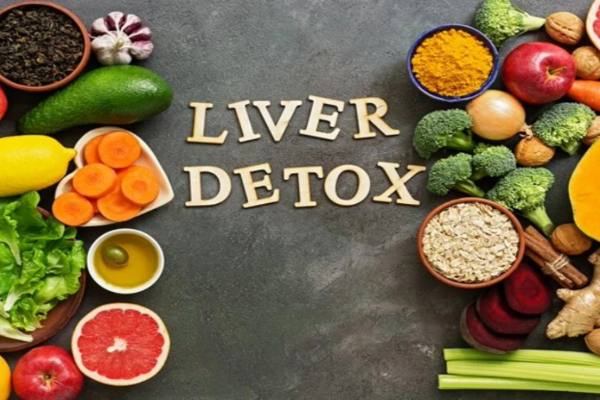
- Fresh fruits (banana, apple, and papaya)
- Vegetables (bottle gourd, spinach, carrots)
- Whole grains (oats, millets, and brown rice)
- Beans with lentils
2. Include both prebiotics and probiotics
Prebiotics are foods that support the growth of probiotics, which are live beneficial bacteria that enhance digestion.
Probiotics include: sauerkraut, curd, buttermilk, kefir, and fermented rice, which is common in Tamil Nadu.
Prebiotics: flaxseed, bananas, onions, and garlic
3. Drink plenty of water
Drinking enough water helps eliminate toxins and maintains a calm digestion. Drink two to three litres a day, at the very least, in Chennai's humid environment. To improve hydration, add mint or lemon.
4. Reduce Processed Foods
Carbonated drinks, packaged foods, and sweets promote inflammation and encourage the growth of harmful microorganisms. Whenever possible, choose to eat at home.
5. Control Your Stress
Acid production and gastrointestinal motility are directly impacted by stress. Even ten minutes a day of yoga, breathing techniques, or meditation can help you balance the relationship between your gut and brain.
6. Put Sleep First
During deep sleep, your body repairs the intestinal lining and controls hormone balance. Aim for 7–8 hours every night.
Medical Assistance and Assessment
It's critical to get evaluated by a professional if your digestive problems are persistent.
A top gastroenterologist in Chennai, such as Dr. Aditya Shah, is able to pinpoint the root causes of issues and suggest practical, tailored fixes.
Possible Diagnostic Tools:
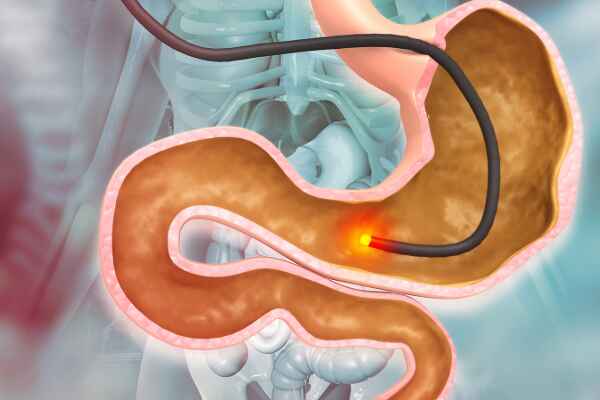
- Endoscopy: To check for inflammation or infection in the stomach and intestines.
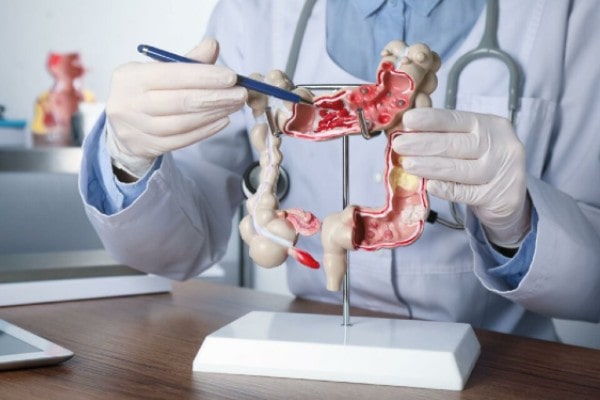
- Colonoscopy: To rule out colonic diseases.
- Stool tests: To find poor microbial diversity, parasites, or dangerous germs.
- Blood Tests: To test vitamin levels and inflammatory indicators.
Understanding your gut health scientifically helps in making precise treatment decisions.
Disorders Associated with Poor Digestive Health
Numerous illnesses that were previously believed to be unrelated to digestion are now understood to start in the gut:
- Both autoimmune diseases and allergies
- Skin conditions such as eczema or psoriasis
- Mood disorders such as depression and anxiety (through the gut-brain axis)
- Diabetes and obesity
- Syndrome of chronic tiredness
- IBS, or irritable bowel syndrome
- IBD, or inflammatory bowel disease
That’s why improving your gut health often leads to overall better wellness — from clear skin to stronger immunity and stable energy.
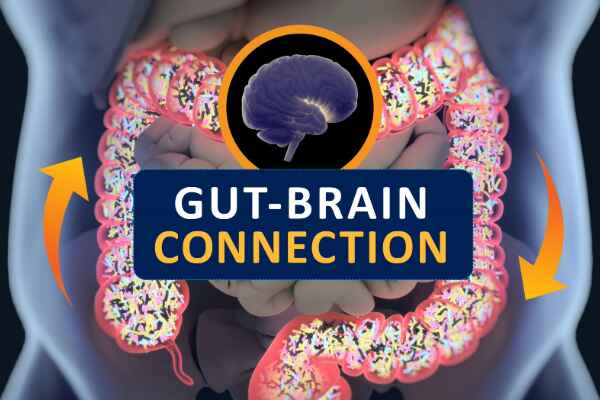
The Role of the Gut–Brain Axis
Have you ever experienced a nervous feeling before a test or important meeting? That's how your gut and brain work together.
The gut and brain communicate through the vagus nerve, influencing each other’s health. When you’re stressed, your brain signals your gut to halt digestion – leading to bloating or cramping.
On the other hand, an unhealthy gut can send distress signals to the brain, causing anxiety or poor concentration.
For this reason, mental and physical health are both a part of comprehensive gut care.
Boosting Gut Immunity Through Chennai’s Local Diet
Chennai’s traditional food culture actually offers some of the best natural remedies for gut health — when eaten the right way:
- Fermented meals that promote beneficial microorganisms include idli and dosa.
- Rasam: A spicy, light soup that facilitates digestion.
- Coconut: Has inherent antibacterial qualities and good lipids.
- Buttermilk: Encourages intestinal flora and reduces acidity.
- Papaya and bananas are mild fruits that aid in bowel movements.
By integrating traditional South Indian food wisdom with current dietary understanding, you can experience both taste and wellness.
Medical Management – When Lifestyle Isn’t Enough
Infection, inflammation, or chronic disease can sometimes cause gastrointestinal problems to persist even with the best practices.
In these situations, renowned gastroenterologist Dr. Aditya Shah of Chennai would suggest:
- Supplemental probiotics (certain strains for particular problems)
- Antibiotic treatment (if required for bacterial overgrowth)
- Supplemental dietary enzymes (to help digestion)
- Antacids or anti-inflammatory drugs (for temporary relief)
To guarantee long-lasting gut balance and immunity improvement, he blends lifestyle guidance with clinical knowledge.
Daily Routines for a Strong Immune System and a Healthy Gut
- Start your day with warm water and lemon.
- Don't skip meals; eat on time.
- Include fresh fruits with breakfast.
- Avoid overuse of painkillers and unnecessary antibiotics.
- Get sunshine for natural Vitamin D.
- Practice gratitude or meditation to lower stress hormones.
- End your day with a simple, early meal and buttermilk.
Consistency is more powerful than perfection — your gut thrives on routine.
When a Gastroenterologist Should Be Seen
You ought to speak with an expert if you encounter:
- Bloating or acidity persisting beyond 2 weeks
- Unusual bowel motions
- Sudden weight changes
- Appetite loss
- Persistent tiredness or low immunity
Early consultation helps detect underlying digestive imbalances before they turn into chronic conditions.
One of the top gastroenterologists in Chennai, Dr. Aditya Shah, helps patients regain their immunity and digestion by providing comprehensive digestive treatment, gut-microbiome testing, and individualised evaluation.
FAQs
Q1. How can I know if my gut health is poor?
Poor gut health may be indicated if you frequently feel bloated, exhausted, or have irregular bowel habits.
Q2. How does gut health affect immunity?
The gut produces the majority of immune cells. They are trained to successfully combat pathogens by a healthy microbiome.
Q3. Can probiotics enhance immunity?
Yes, probiotics replenish good bacteria and improve your immune response.
Q4. Are South Indian fermented foods beneficial to the digestive system?
Of course. Natural probiotics are abundant in fermented rice, idli, and dosa.
Q5. Does digestion actually suffer under stress?
Indeed. Indigestion or IBS results from changes in gastrointestinal motility and acid production brought on by stress.
Q6. Do I need to take probiotic supplements every day?
Your condition will determine this. For maintenance, natural probiotic foods are ideal; prescription supplements are necessary.
Q7. Can medicines destroy gut bacteria?
Indeed. They eradicate good bacteria as well as bad ones, so balance with probiotics afterwards.
Q8. What role does sleep play in immunity?
The body makes cytokines, which are proteins that control immune response, while you sleep. This system is weakened by inadequate sleep.
Q9. Is it easy to digest buttermilk?
Indeed. It’s probiotic-rich, relaxing, and appropriate for Chennai’s hot heat.
Q10. How long does it take to restore gut health?
Usually 3–6 months of consistent diet and lifestyle changes can show noticeable improvement.
In conclusion
Your gut truly is the foundation of your health. When it’s robust, your immunity flourishes – helping you battle illnesses, preserve energy, and enjoy general wellness.
In Chennai’s fast-moving world, taking a few mindful steps each day might safeguard not just your digestion, but your entire body.
If you’re battling with persistent acidity, bloating, or low immunity, visit Dr. Aditya Shah, a prominent Gastroenterologist in Chennai, for expert diagnosis and holistic gut recovery guidance.
His tailored treatment and scientific methodology will support the natural rebalancing of your immune system and digestive system.
Book Your Gut Health Consultation in Chennai
👨⚕ Dr. Aditya Shah - Consultant Gastroenterologist & Hepatologist
📍 Chennai | Advanced Digestive & Liver Care Clinic
🌐 Website: www.dradityagastro.com