
Best Upper GI Endoscopy in Teynampet, Chennai
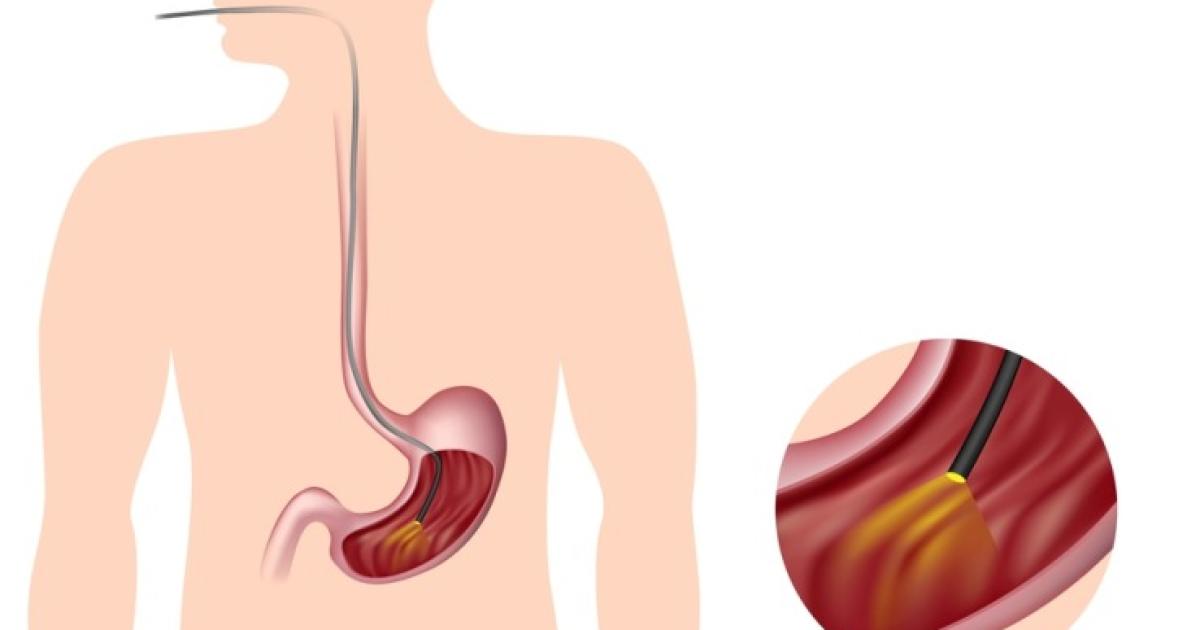
What is Upper Gastrointestinal (GI) Endoscopy?
Upper GI endoscopy is a procedure in which a doctor uses an endoscope—a flexible tube with a camera—to see the lining of your upper GI tract. A gastroenterologist, surgeon, or other trained health care professional performs the procedure, most often while you receive light sedation to help you relax.
Consult for the Best Upper GI Endoscopy in Teynampet, Chennai(Apollo Hospital).
Why It's Done?
An upper endoscopy can determine the cause of heartburn and is often performed as an outpatient procedure. Upper endoscopy uses a thin scope with a light and camera at its tip to look inside the upper digestive system -- the esophagus, stomach, and the first part of the small intestine called the duodenum. During endoscopy, procedures such as taking a small tissue sample (biopsy) for testing may be performed.
Sometimes, the procedure is done in emergencies in the hospital or emergency room to identify and treat bleeding from upper digestive systems, such as ulcers.
In Addition To Heartburn, The Procedure May Also Be Used To Help Evaluate:
- Upper abdominal pain
- Nausea and vomiting
- Stomach bleeding
- Swallowing disorders
Endoscopy can also help identify inflammation, ulcers, and tumours.
An upper endoscopy can be more accurate than X-rays or other imaging for detecting abnormal growths and for examining the inside of the upper digestive system.
How Do I Prepare For An Upper Gi Endoscopy?
Talk with your doctor. Consult Dr Aditya Shah, Best Gastroenterologist in Apollo Hospital Chennai.
You should talk with your doctor about your medical history, including medical conditions and symptoms you have, allergies, and all prescribed and over-the-counter medicines, vitamins, and supplements you take, including as follows:
- Aspirin Or Medicines That Contain Aspirin
- Arthritis Medicines
- Blood Thinners
- Blood Pressure Medicines
- Diabetes Medicines
- Nonsteroidal Anti-Inflammatory Drugs such as Ibuprofen and Naproxen
Do not eat or drink before the procedure.
Your doctor will most likely ask you not to eat or drink up to 8 hours before the procedure to see your upper GI tract.
Seek Care Right Away
If you have any of the following symptoms after an upper GI endoscopy, seek medical care right away:
- Chest Pain
- Problems Breathing
- Problems Swallowing Or Throat Pain That Gets Worse
- Vomiting - Particularly If Your Vomit Is Bloody Or Looks Like Coffee Grounds
- Pain In Your Abdomen That Gets Worse
- Bloody Or Black, Tar-Coloured stool
- Fever
Consult from the best and get the best services, Best Gastroenterologist in Teynampet Chennai, Dr Aditya Shah.