The Silent Illness You Must Not Ignore: Fatty Liver Disease
Overview
One of the most prevalent liver diseases in India today is fatty liver disease, which is particularly prevalent in cities like Chennai where stress, fast-paced lives, and irregular eating patterns are commonplace.
The part that's frightening? The majority of persons with fatty liver are unaware of their condition until it is inadvertently identified during a regular ultrasound or check-up. If left untreated, it can cause severe liver damage even though it is asymptomatic in the beginning.
We'll explain what fatty liver disease is, why it's on the rise, how to spot it early, and the most effective natural and medical treatments in this blog.
Renowned for his proficiency in liver and digestive problems, Dr. Aditya Shah is a prominent consultant gastroenterologist and hepatologist in Teynampet, Chennai. He assists patients in regaining liver health in a safe and efficient manner by using a comprehensive strategy that incorporates contemporary medicine, diet, and lifestyle modification.
Fatty liver disease: what is it?
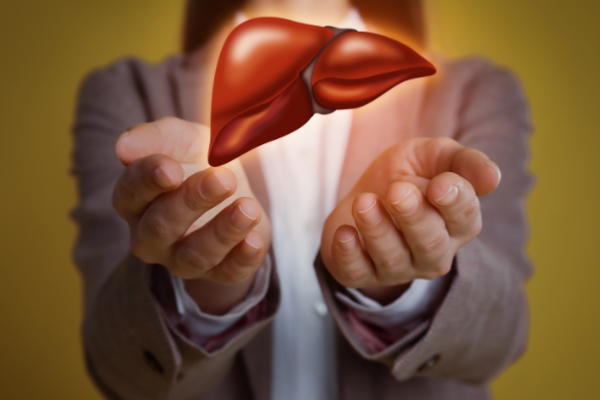
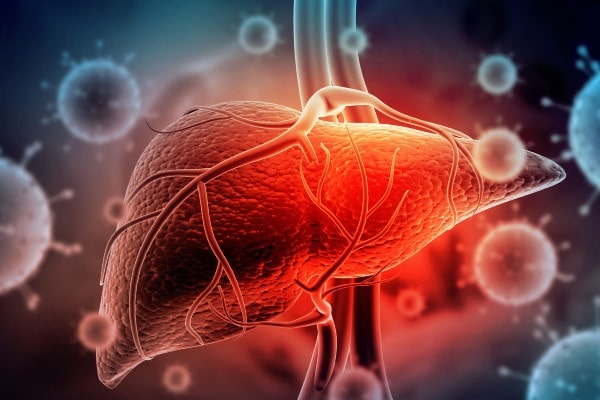
One of the most important organs in your body is your liver. It aids in energy storage, food digestion, detoxification, and the synthesis of vital proteins.
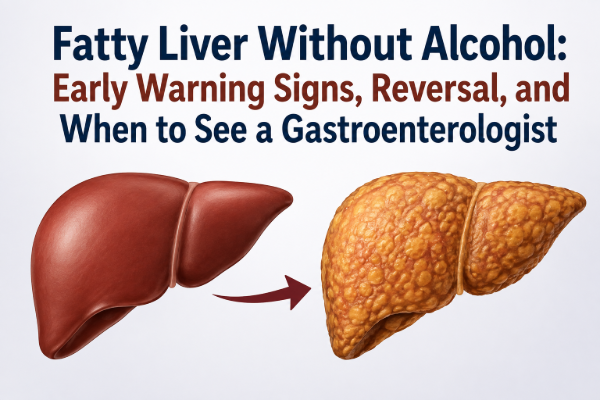
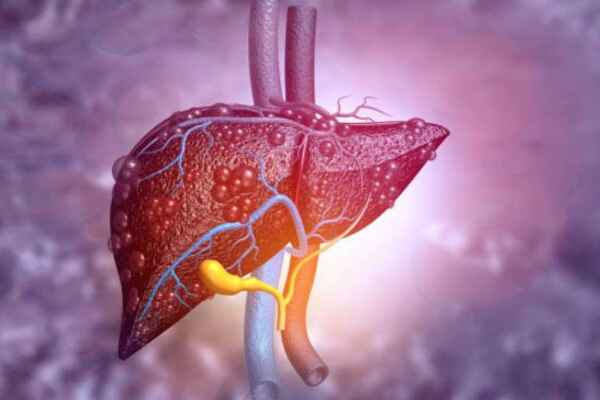
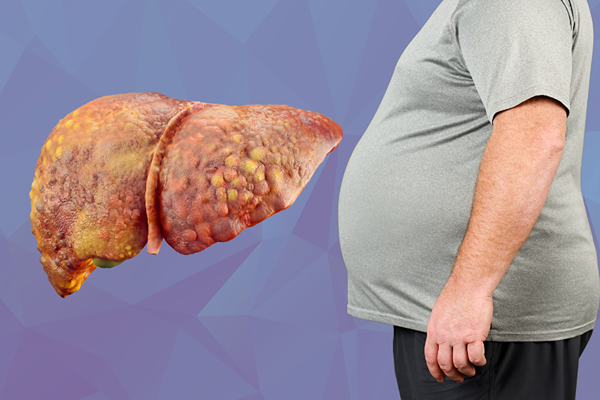
When too much fat (triglycerides) begins to build up inside the liver cells, fatty liver disease develops.
The liver typically has a little amount of fat, but it is deemed fatty if the fat content exceeds 5–10% of the liver's weight.
There are two primary forms of fatty liver disease:
- Disease of the Alcoholic Fatty Liver (AFLD)
- Brought on by consuming too much alcohol.
- Alcohol causes fat accumulation by interfering with the liver's ability to metabolise fat.
- NAFLD, or non-alcoholic fatty liver disease
- Occurs in those who drink little or nothing.
- Obesity, diabetes, metabolic syndrome, and poor diet are the main causes.
Non-alcoholic Fatty Liver Disease (NAFLD) has become more prevalent in Chennai and throughout India as a result of sedentary lifestyles and shifting dietary habits.
Why Does Chennai Have Such a High Rate of Fatty Liver?
Contemporary urban living frequently promotes behaviours that increase liver strain. The following explains the high increase of fatty liver among Chennai's population:
- Diet high in carbohydrates: South Indian cuisine frequently consists of refined flour, polished white rice, and sugar-based items including tea, coffee, and sweets.
- Lack of exercise: Hot weather, lengthy commutes, and desk employment all hinder physical activity.
- Regular eating out: Processed foods, fried snacks, and spicy, fatty meals all contribute to the formation of fat.
- Diabetes and obesity: Chennai has one of India's highest incidences of diabetes, which is strongly associated with fatty liver.
- Stress and lack of sleep both raise insulin resistance and hepatic fat accumulation.
The Four Stages of the Development of Fatty Liver
The liver becomes fatty over time. It can proceed through four phases if left untreated:
- Steatosis, or simple fatty liver:
Although fat accumulates in the liver, there isn't yet any noticeable inflammation. Changes in lifestyle can reverse this stage. - Steatohepatitis without alcohol (NASH):
Inflammation and damage to liver cells are caused by fat buildup. Patients may have minor enzyme increase, tiredness, or stomach pain. - Fibrosis:
Scar tissue develops as a result of ongoing inflammation. The liver continues to work, but its efficiency begins to deteriorate. - Cirrhosis:
The liver is irreversibly harmed by severe scarring. Liver failure, portal hypertension, or even malignancy may result at this stage.
Since stages 1 and 2 are completely reversible, while stages 3 and 4 require more sophisticated care, early discovery is essential.
Early Warning Signs and Symptoms
Particularly in its early stages, fatty liver disease is frequently silent. Nonetheless, a few typical signs could be:
- Persistent weariness or exhaustion
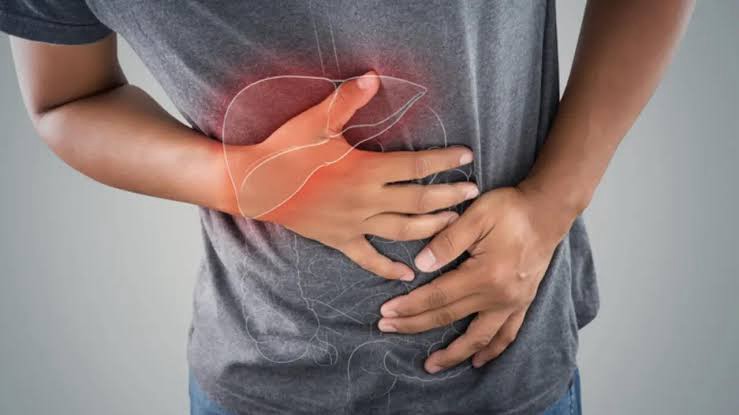
- Heaviness or discomfort in the upper right abdomen
- Nausea or loss of appetite
- Little bloating or weight gain
- Dark areas under the arms or around the neck (a symptom of insulin resistance)
- Blood tests showing elevated liver enzymes
Most of the time, fatty liver is identified by FibroScan or ultrasound tests before any symptoms show up.
The Impact of a Fatty Liver on Your Health
Although the liver is the main organ impacted, fatty liver can have a variety of consequences:
- Metabolic effects: It raises the risk of heart disease, diabetes, and high cholesterol.
- Digestive problems: Fat digestion is impacted by decreased bile production.
- Hormonal imbalances: Hormone regulation and metabolism are impacted by liver disease.
- Toxin accumulation: A slow liver is unable to efficiently filter toxins, which results in fatigue, sluggish skin, and weakened immunity.
A fatty liver affects the entire body and is not simply a liver issue.
How Physicians Identify Fatty Liver
A diagnosis from a top gastroenterologist in Chennai, such as Dr. Aditya Shah, usually entails:
- Physical Assessment:
Looking for signs of obesity, liver enlargement, or liver pain. - Blood Examinations:
- Enzymes of the liver (ALT, AST)
- Profile of Lipids
- Insulin and blood sugar levels
- Scan of Ultrasound:
A painless, safe test to find liver fat accumulation. - Transient Elastography, or FibroScan:
A contemporary, non-invasive technique to gauge the amount of fat and stiffness in the liver. - Liver biopsy (in cases that are more advanced):
Aids in confirming cirrhosis or NASH in cases where other tests yield conflicting results.
A timely and precise diagnosis aids in determining the best course of treatment.
Strategies for Treatment and Reversal
Fortunately, fatty liver can be reversed in its early stages. Eliminating the root causes is the main goal of treatment.
1. Controlling Weight
It is possible to dramatically reduce liver fat by losing only 7–10% of body weight.
Aim for weekly weight loss that is gradual and constant, between 0.5 and 1 kg, to prevent liver stress.
2. Nutrition and Diet
The most important factor in healing fatty liver is your diet.
Items to Steer Clear of:
- Foods that are fried and greasy
- Sweets, baked goods, and sugar-filled beverages
- Processed meats and red flesh
- Refined grains, such as bread, maida, and white rice
- Alcohol
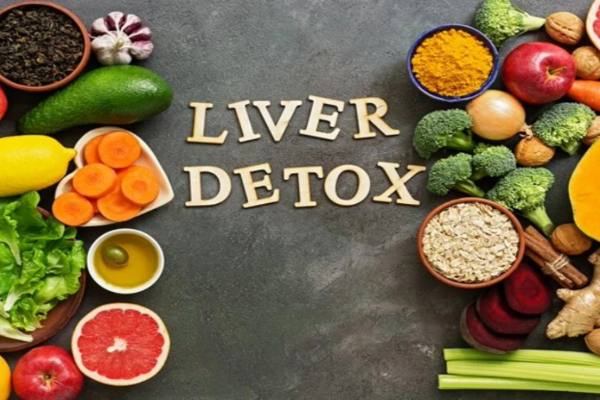
Foods to Incorporate:
- Fresh fruits, particularly apples, papayas, and berries
- Salads and green leafy vegetables
- Whole grains (brown rice, oats, and millet)
- Foods high in omega-3 (fish, walnuts, flaxseeds)
- Teas made with herbs and lots of water
Advice:
Great liver-friendly options can be found in Chennai's local cuisine, such as vegetable sambar, brown rice pongal, steamed idlis, and fresh coconut chutney (in moderation).
3. Frequent Physical Activity
Exercise for at least 30 to 40 minutes each day aids in burning fat that has been stored.
Try swimming, yoga, cycling, or brisk walking—all of which are great in Chennai's climate.
4. Drugs and Supplements
Should lifestyle modifications prove insufficient, your physician might suggest:
- Vitamin E (support for antioxidants)
- Insulin sensitisers for individuals with diabetes
- Drugs that protect the liver according to the diagnosis
Medication should only ever be taken under a doctor's supervision.
5. Manage the Underlying Situations
For liver repair, controlling diabetes, thyroid imbalance, and cholesterol is essential.
Is It Possible to Naturally Reverse Fatty Liver?
Indeed! It is possible to totally reverse early fatty liver (Stage 1 or 2) with the right diet, exercise, and medical supervision.
Although it requires the proper conditions, your liver has a remarkable capacity for healing.
A customised liver healing strategy is the main emphasis of Dr. Aditya Shah's clinic in Chennai, which combines:
- Nutritional guidance
- Advice on weight management
- Using FibroScan for routine monitoring
- Instruction on lifestyle practices
After just three to six months of steady work, patients frequently experience improvement.
Managing a Fatty Liver: Useful Advice
- Instead of eating large meals, eat smaller ones more frequently.
- Steer clear of eating late at night.
- Drink eight to ten glasses of water every day to stay hydrated.
- Drink no more than one cup of coffee per day, and occasionally substitute green tea.
- Avoid alcohol and smoking completely.
- Sleep at least 7 hours per night.
- Get regular liver exams every six to twelve months.
Why Choose Expert Care in Chennai
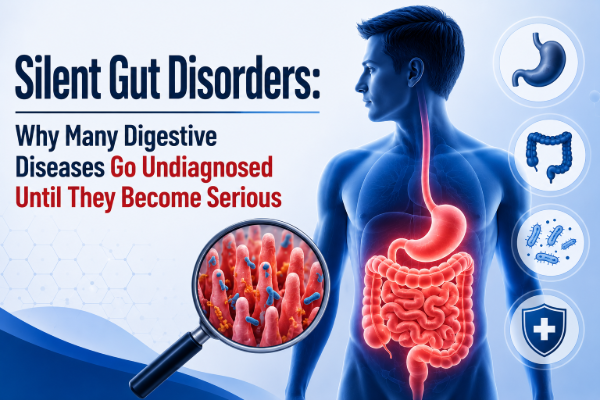
With the growth of lifestyle-related diseases, liver ailments are often disregarded until they become serious.
Dr. Aditya Shah, a Leading Gastroenterologist in Chennai, emphasizes early diagnosis, lifestyle adjustment, and continued follow-up for total recovery.
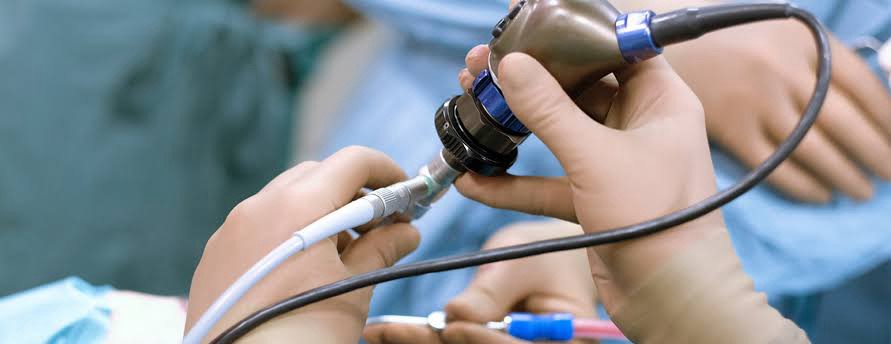
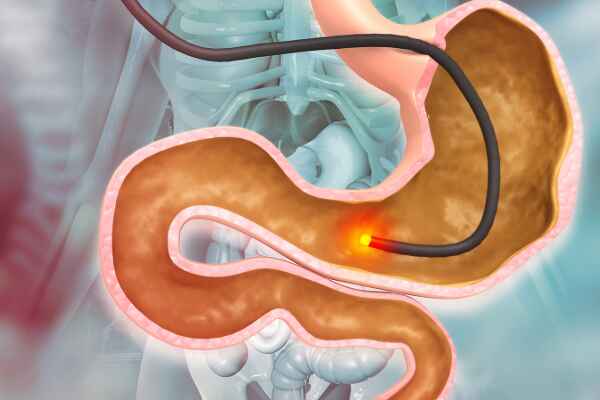
His clinic in Teynampet offers latest diagnostic techniques including endoscopy and FibroScan, tailored food coaching, and complete care for all liver and intestinal issues.
FAQs
Q1. Can a fatty liver cause pain?
Sometimes. Mild soreness or heaviness on the right side of your abdomen can occur, especially after meals.
Q2. Is fatty liver reversible?
Yes, in the beginning. It can fully recover with the right diet, exercise, and weight control.
Q3. If I have a fatty liver, can I still drink alcohol?
Even in tiny doses, alcohol should be completely avoided.
Q4. Can liver fat develop into cancer?
Only if years pass without treatment. Cirrhosis can develop from chronic inflammation, raising the risk of cancer.
Q5. Is coffee beneficial for fatty liver?
Antioxidants in coffee may protect the liver in moderation, but too much caffeine should be avoided.
Q6. How frequently should my liver be checked?
Get checked out every six months if you have been diagnosed with fatty liver.
Q7. Can someone who is slim have fatty liver?
Indeed. Fatty liver, or "lean NAFLD," can occur even in the absence of obesity due to insulin resistance and poor diet.
Q8. Are herbal liver tonics safe to take?
Only following a gastroenterologist's consultation. The liver may be harmed by certain herbal products.
Q9. What kind of exercise is beneficial for those with fatty livers?
It's best to combine yoga, light strength training, and brisk walking.
Q10. Can pregnancy be impacted by fatty liver?
Severe fatty liver during pregnancy (AFLP) can be dangerous in rare instances; if symptoms appear, see your doctor right once.
In Conclusion
Even while fatty liver is silent, it can have major long-term health effects. Reversing it is easier the earlier you take action.
You may fully recover your liver and avoid more issues by maintaining an active lifestyle, eating well, and scheduling routine checkups with your doctor.
See Dr. Aditya Shah, a top gastroenterologist in Chennai who specialises in treating fatty liver, digestive issues, and general gut health, for a professional assessment and individualised care.
One healthy step at a time, his patient-focused approach aids in your natural healing.
Book Your Gut Health Consultation in Chennai
👨⚕ Dr. Aditya Shah - Consultant Gastroenterologist & Hepatologist
📍 Chennai | Advanced Digestive & Liver Care Clinic
🌐 Website: www.dradityagastro.com