Signs Its Time to See a Gastroenterologist

What does a gastroenterologist do?
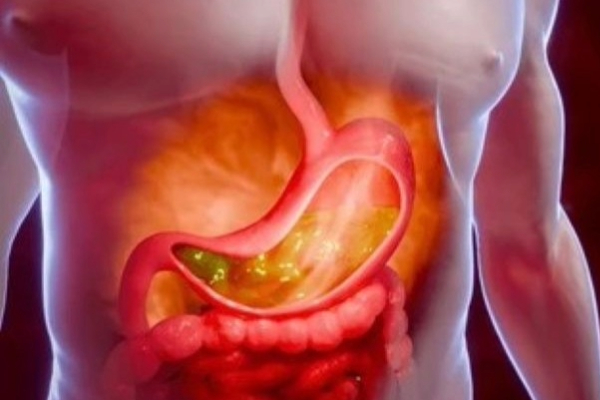
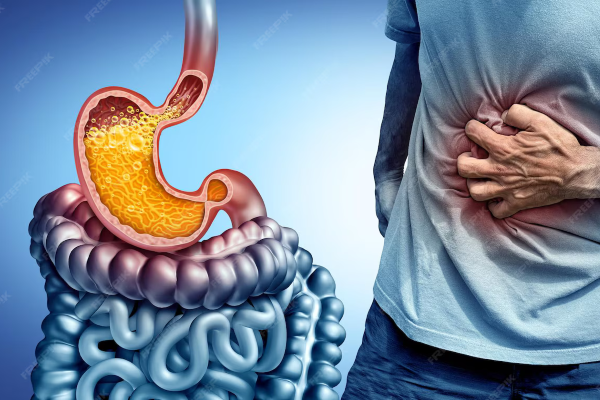
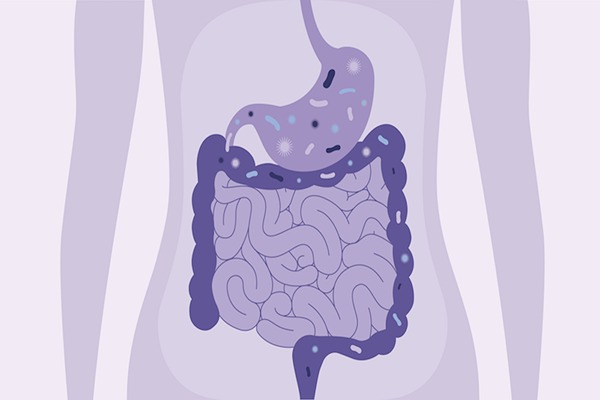
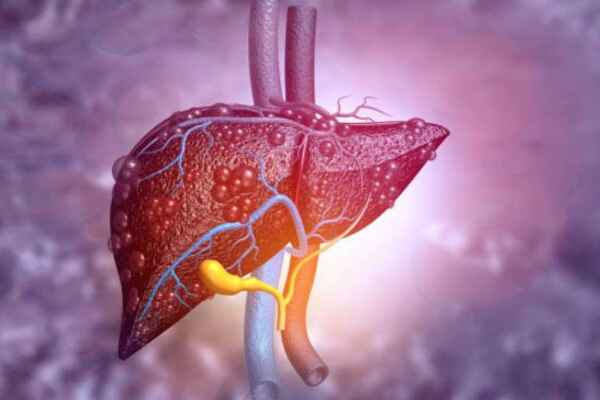
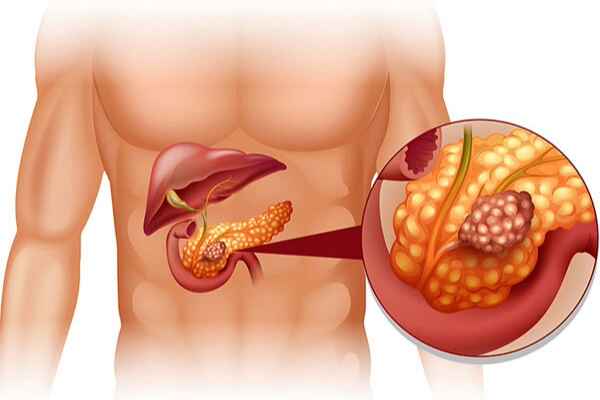
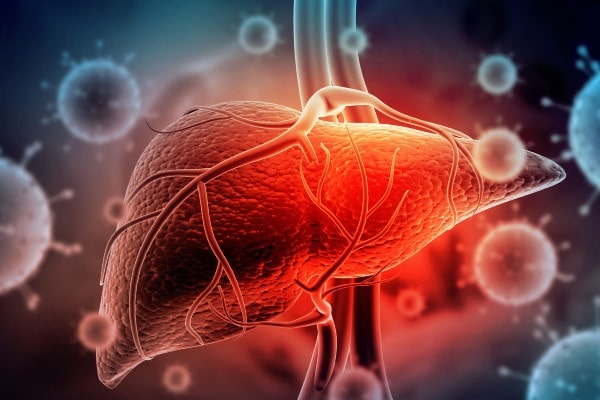
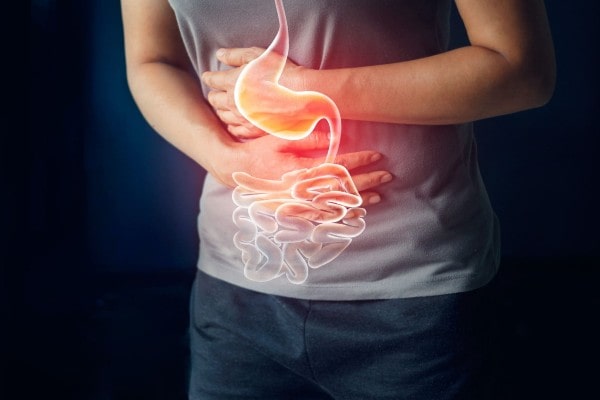
A gastroenterologist is a specialist with expertise in the disorders and diseases that affect the digestive system — including the gastrointestinal tract (esophagus, stomach, small intestine, large intestine, rectum, and anus) and the pancreas, liver, bile ducts, gallbladder.
The digestive disorders and issues that a gastroenterologist treats include:
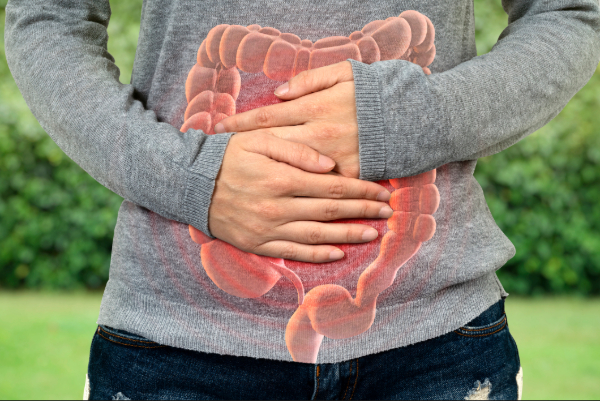
- Unexplained changes in bowel habits, including diarrhea, constipation, and blood in the stool
- Gastroesophageal reflux disease (GERD)
- Heartburn
- Hemorrhoids
- Inflammatory bowel disease (IBD), which includes Crohn's disease and ulcerative colitis
- Irritable bowel syndrome (IBS)
- Pancreatitis
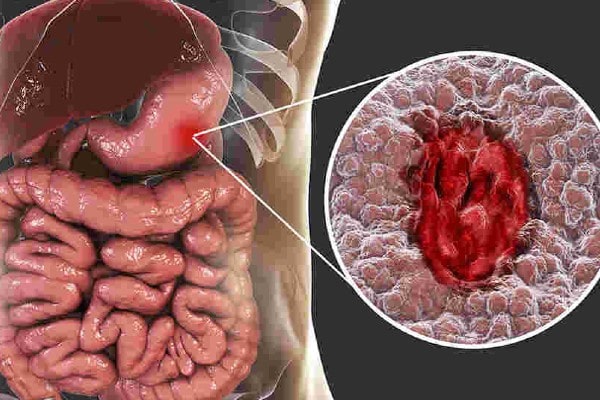
- Ulcers
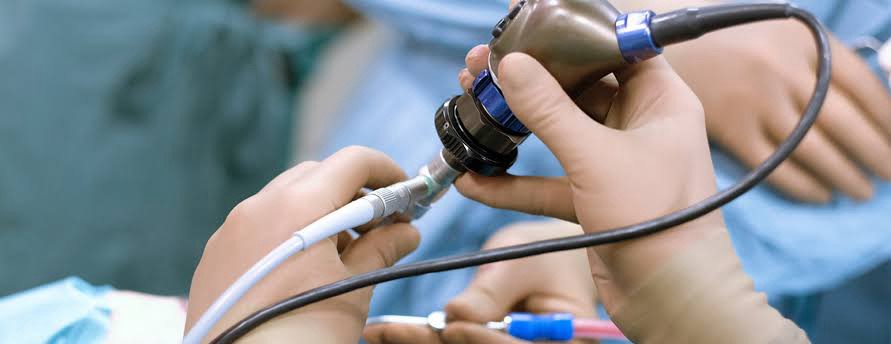
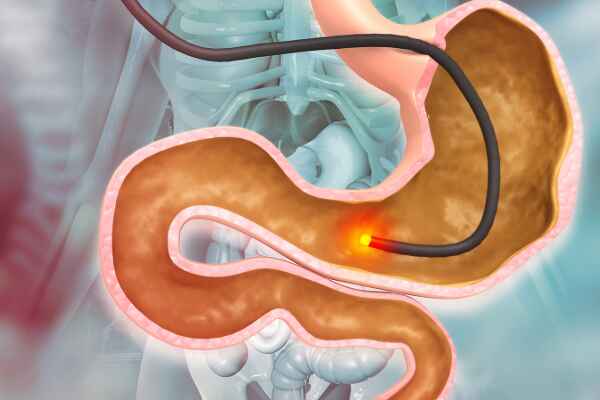
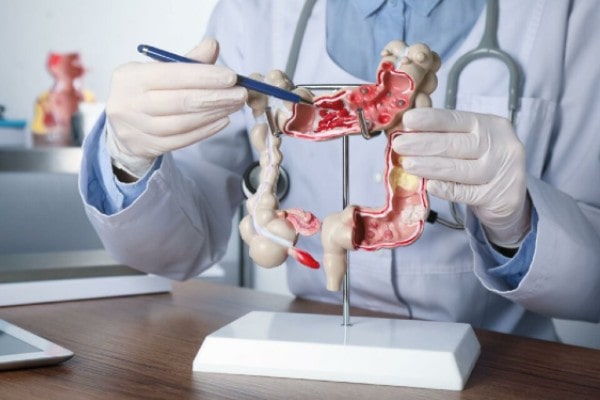
Gastroenterologists are trained to perform several procedures to help diagnose and treat these conditions, such as upper endoscopy, colonoscopy, biopsy, and the various endoscopic techniques needed to visualize the digestive system, including endoscopic ultrasound.
When should you see a gastroenterologist?
Here are seven reasons to consider seeing a gastroenterologist:
- Ongoing diarrhea
Many things can bring on a bout of diarrhea, from food to infection to certain medications. However, if your stool is regularly more liquid than solid, it's time to check in with a GI doctor.
Chronic diarrhea can indicate digestive disorders, including IBS, IBD, or small bacterial overgrowth (SIBO). IBS is the most common cause of chronic diarrhea. Fortunately, there are many treatment avenues your doctor can use to help manage your symptoms. - Constipation
You might be constipated if your small bowel movements are hard to pass. If you're constipated for more weeks than not, consult a gastroenterologist. Constipation can have many causes, and it can be hard to manage alone at home. A GI specialist can help determine the likely cause of your constipation and recommend lifestyle changes and medications to help make your bowel movements more regular. - Frequent or severe heartburn
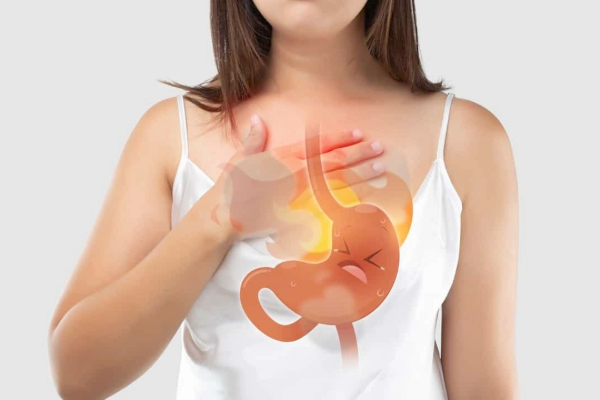
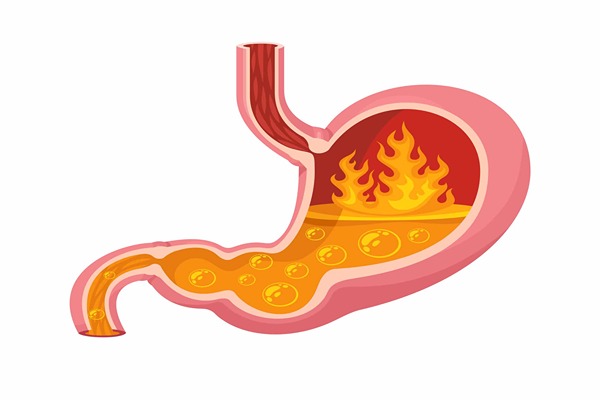
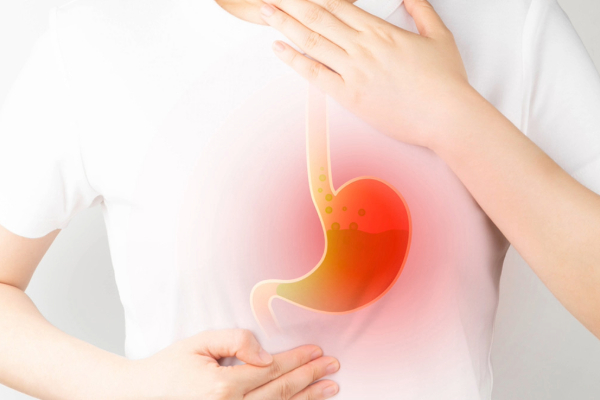
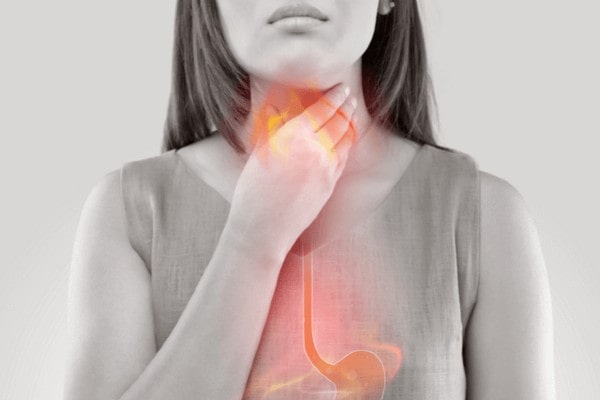
Getting heartburn now and then shouldn't be a matter of enormous concern, and the good news is that occasional heartburn can typically be managed at home. But if you're having heartburn symptoms more than a couple of times per week, it could be a sign of GERD — a condition that, over time, can damage and scar the lining of the esophagus. - Feeling unusually bloated
Bloating, which can feel like your belly is full or tight, is often caused by issues that result in excess gas production and hypersensitivity to gas or gas being trapped in your colon. - Sudden or severe abdominal pain
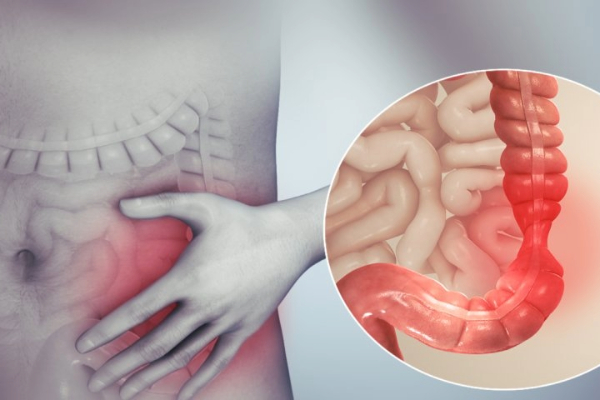
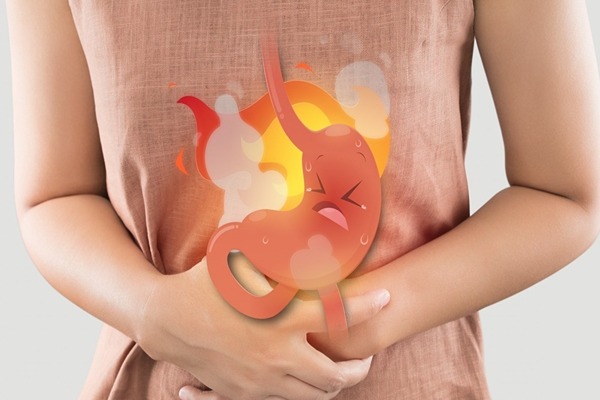
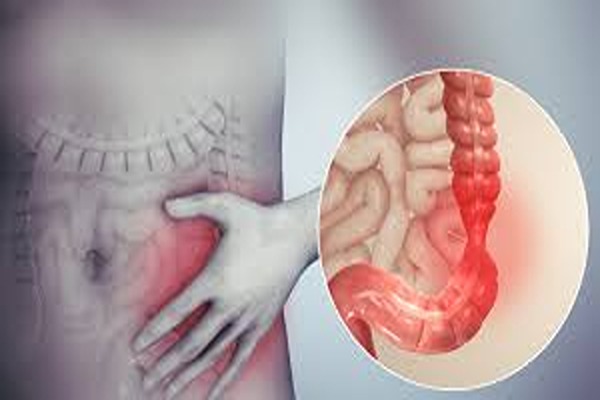
We've all dealt with bellyaches, but severe abdominal pain that lasts for hours or abdominal pain that comes on suddenly and intensely isn't normal. - Rectal bleeding or blood in your stool
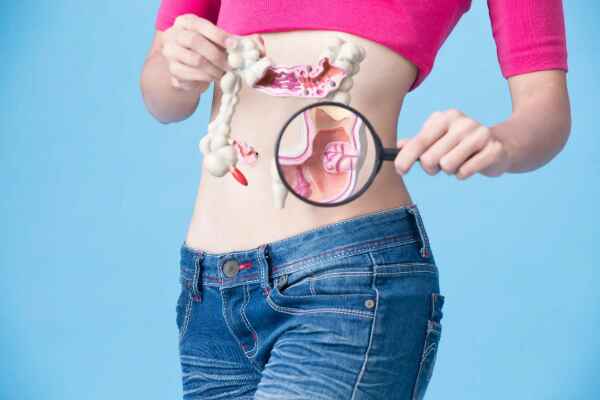
If you see blood on your toilet paper or as you flush the toilet, it could be hemorrhoids — a reasonably common issue that can typically be managed with at-home remedies or over-the-counter products.
If you've noticed any of those seven signs, it's time to consider scheduling an appointment with Dr. Aditya Shah, a top Gastroenterologist in Chennai.