Why Are Young Indians Facing More Digestive Problems? Early Signs of IBS, Gut Imbalance & When to See a Gastroenterologist
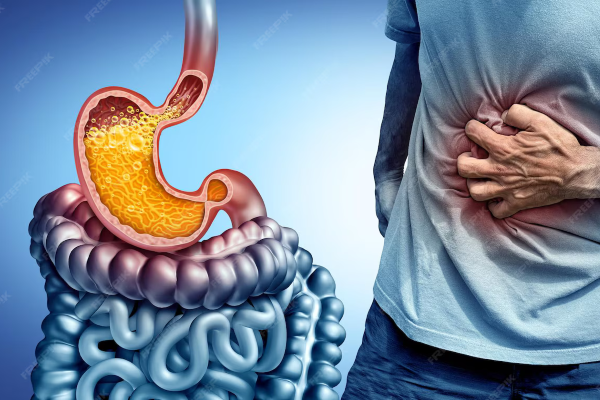
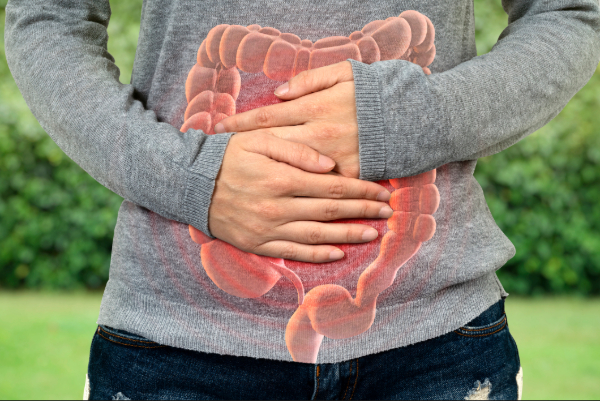
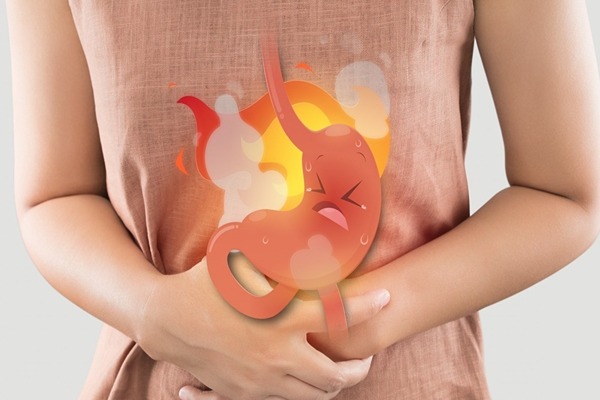
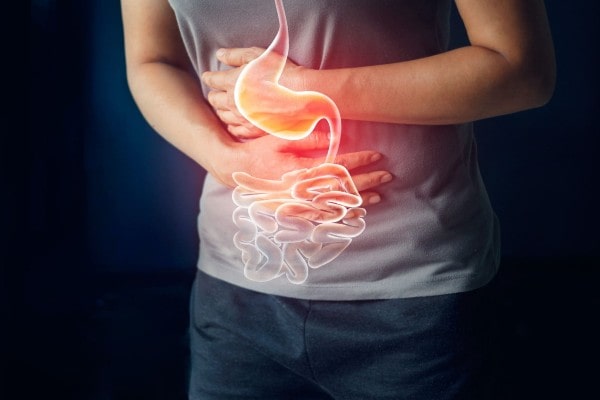
Digestive problems are no longer limited to older adults. Across India, especially in fast-growing urban cities like Chennai, more young professionals and college students are reporting symptoms such as acidity, bloating, constipation, irregular bowel habits, stomach pain, and food intolerance.
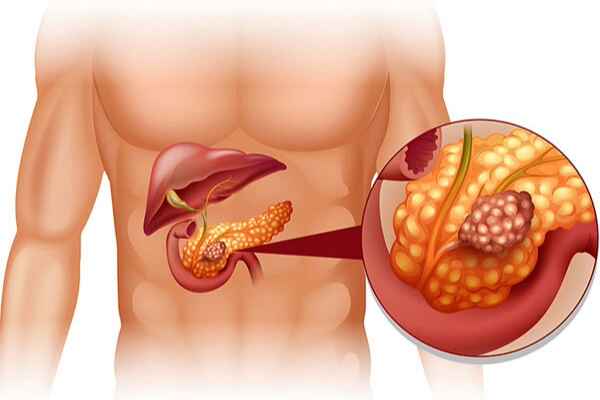
Many people ignore these symptoms initially, assuming they are caused by stress, spicy food, or lack of sleep. However, recurring digestive discomfort may indicate underlying gastrointestinal conditions such as Irritable Bowel Syndrome (IBS), acid reflux, gastritis, fatty liver disease, gut microbiome imbalance, or inflammatory bowel disorders.
Modern lifestyle changes have significantly affected digestive health. Long working hours, irregular meals, processed foods, excessive caffeine intake, late-night eating habits, and high stress levels are creating the perfect environment for chronic gut-related issues.
Understanding the warning signs early and seeking medical guidance can prevent complications and improve long-term digestive health.
Why Digestive Problems Are Increasing Among Young Adults in India
Over the past decade, gastroenterologists across India have noticed a rise in digestive complaints among people in their 20s and 30s. While genetics can play a role, lifestyle factors remain the primary reason.
1. Irregular Eating Habits
Skipping breakfast, eating late at night, binge eating during weekends, and relying on food delivery apps can disrupt digestion and metabolism.
When the stomach’s natural rhythm is disturbed repeatedly, it can lead to:
- Acidity and heartburn
- Gastric irritation
- Bloating
- Indigestion
- Irregular bowel movements
2. High Stress and Anxiety
The gut and brain are closely connected through what doctors call the “gut-brain axis.” Stress directly impacts digestion and may trigger:
- IBS flare-ups
- Loose motions
- Stomach cramps
- Nausea
- Appetite changes
Young professionals working in high-pressure environments often experience stress-induced digestive symptoms without realizing the connection.
3. Increased Consumption of Processed Foods
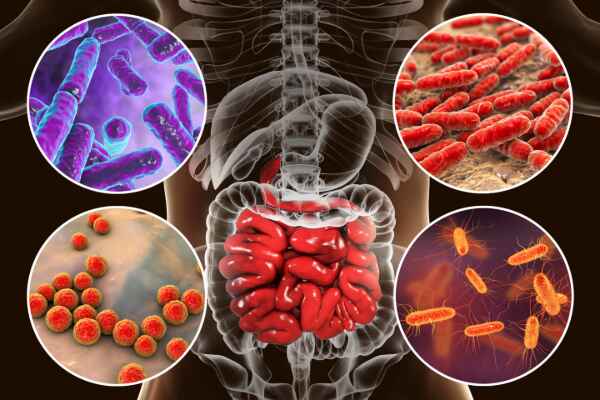
Fast food, sugary drinks, packaged snacks, and highly processed meals can disturb healthy gut bacteria.
Poor gut microbiome balance can contribute to:
- Inflammation
- Poor digestion
- Food sensitivities
- Low immunity
- Chronic bloating
4. Sedentary Lifestyle
Sitting for long hours and lack of physical activity can slow digestion and contribute to constipation, acidity, and obesity-related digestive disorders.
5. Excessive Use of Painkillers and Self-Medication
Many people frequently consume painkillers, antibiotics, or acidity tablets without medical supervision. Long-term misuse can damage the stomach lining and alter gut bacteria.
Common Digestive Problems Seen in Young Adults
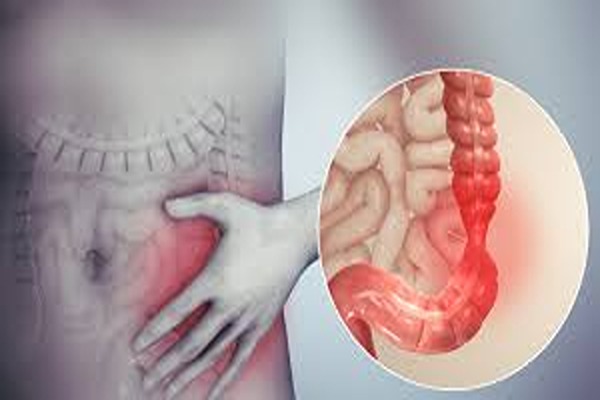
Irritable Bowel Syndrome (IBS)
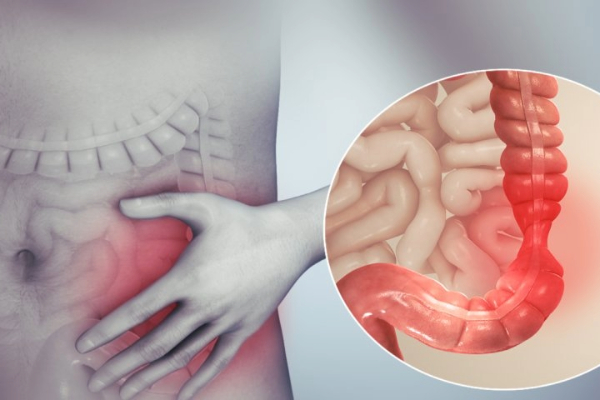
IBS is one of the most common gastrointestinal disorders affecting young adults.
Symptoms include:
- Abdominal pain
- Bloating
- Constipation
- Diarrhea
- Excessive gas
- Feeling incomplete after bowel movements
IBS is a functional disorder, meaning the digestive tract may appear normal during tests but still causes significant symptoms.
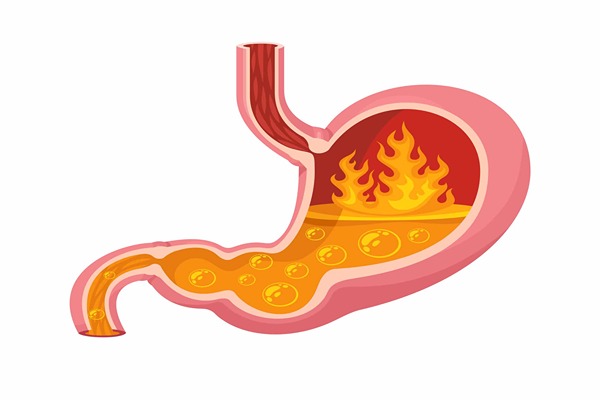
Acid Reflux and GERD
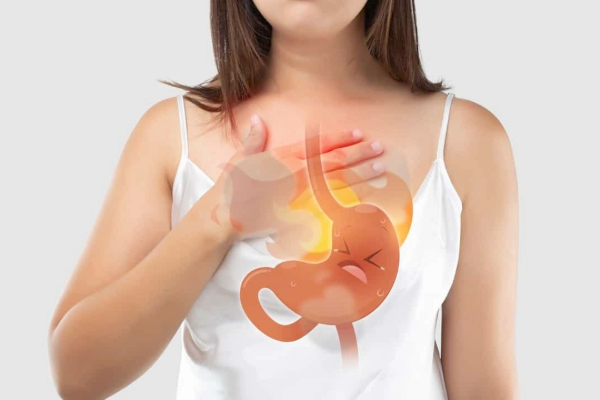
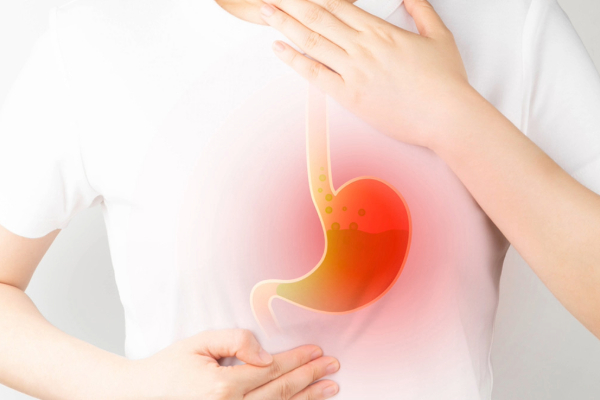
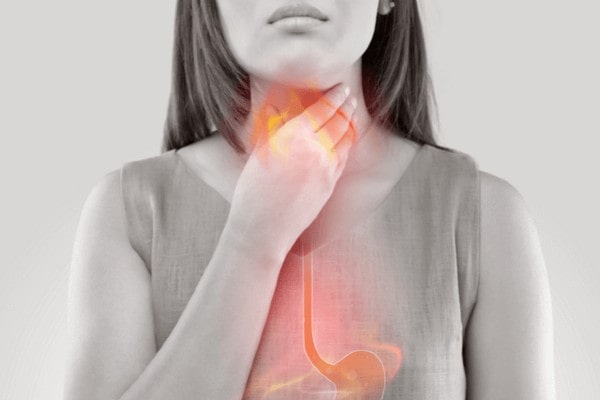
Frequent acidity or heartburn may indicate Gastroesophageal Reflux Disease (GERD).
Common symptoms include:
- Burning sensation in the chest
- Sour taste in the mouth
- Burping
- Difficulty swallowing
- Chest discomfort after meals
Ignoring GERD for long periods can damage the food pipe and lead to complications.
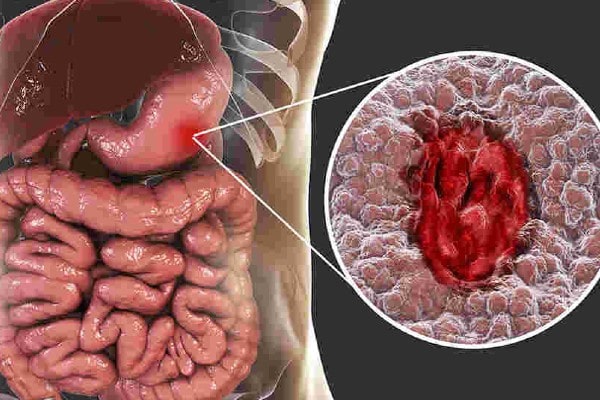
Gastritis
Gastritis refers to inflammation of the stomach lining.
It may occur due to:
- Stress
- Alcohol consumption
- Irregular meals
- H. pylori infection
- Long-term painkiller use
Symptoms often include nausea, upper abdominal pain, fullness after eating, and vomiting.
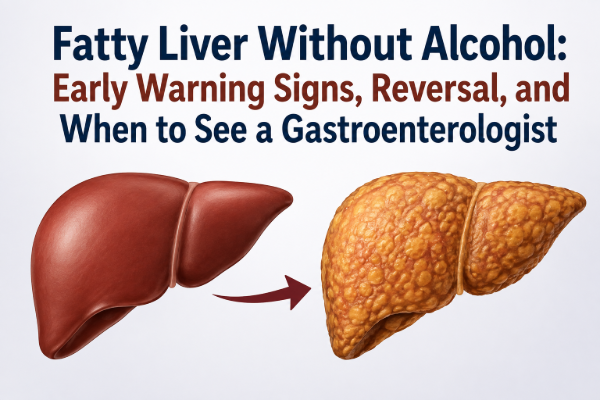
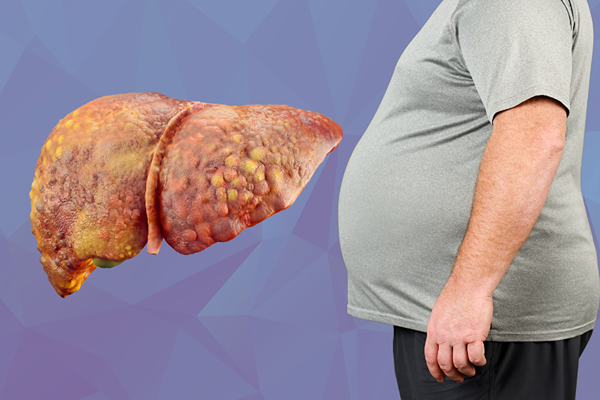
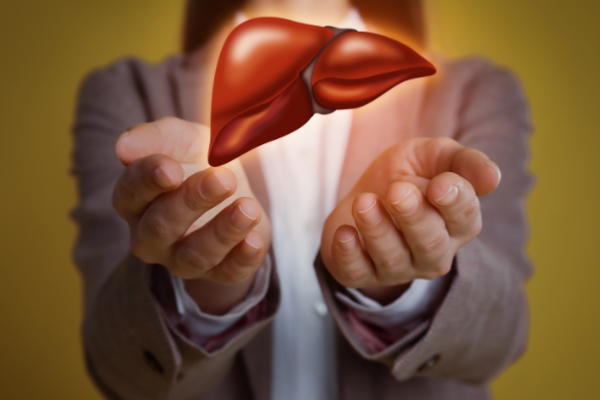
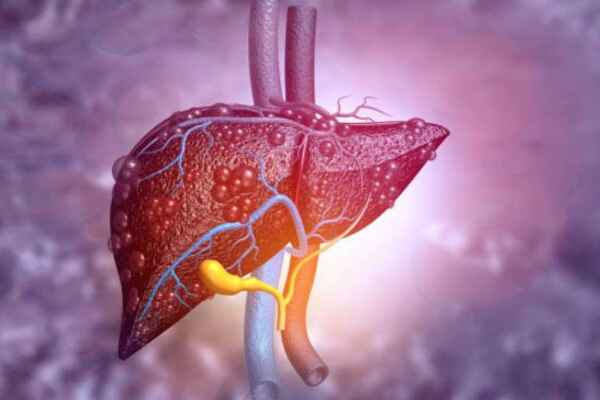
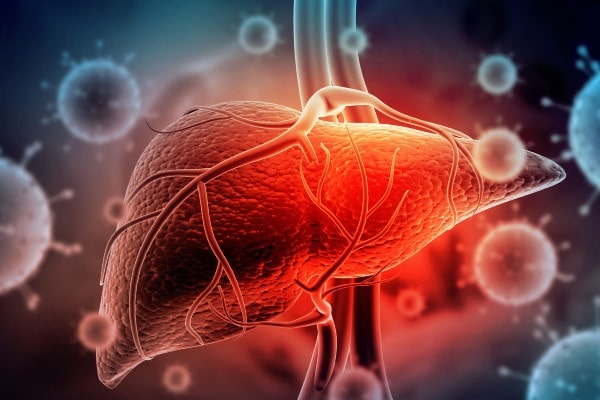
Fatty Liver Disease
Fatty liver disease is increasingly common even among non-drinkers.
Risk factors include:
- Obesity
- Diabetes
- Poor diet
- Lack of exercise
- High cholesterol
Early stages may not show obvious symptoms, making routine health checkups important.
Early Warning Signs You Should Never Ignore
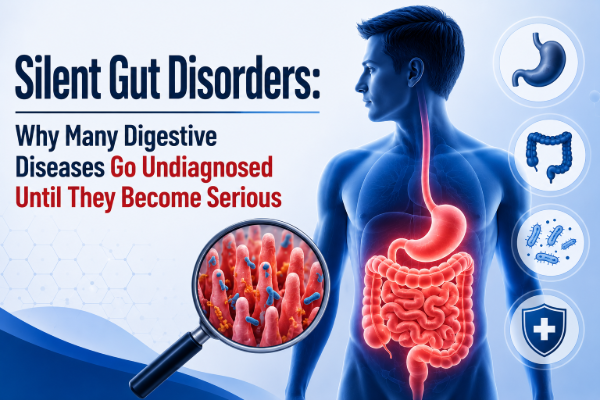
Many digestive disorders develop gradually. Identifying symptoms early allows timely treatment and prevents long-term complications.
Consult a gastroenterologist if you experience:
- Persistent bloating for several weeks
- Frequent acidity or heartburn
- Blood in stool
- Sudden weight loss
- Difficulty swallowing
- Severe constipation
- Chronic diarrhea
- Recurring stomach pain
- Black-colored stools
- Vomiting repeatedly
- Loss of appetite
These symptoms may indicate underlying gastrointestinal conditions that require professional evaluation.
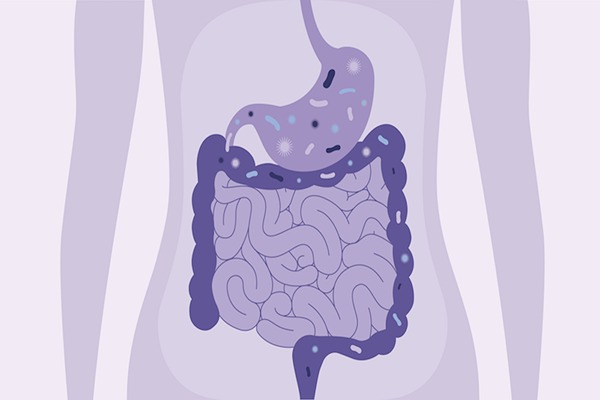
How Gut Health Affects Overall Health
The digestive system does much more than process food. A healthy gut is linked to multiple body functions including immunity, metabolism, hormone balance, and even mental health.
Poor gut health may contribute to:
- Low immunity
- Fatigue
- Skin problems
- Mood changes
- Anxiety
- Poor sleep
- Vitamin deficiencies
Healthy gut bacteria help absorb nutrients, reduce inflammation, and protect the body from harmful organisms.
This is why maintaining digestive health is essential for overall wellness.
How Gastroenterologists Diagnose Digestive Disorders
A gastroenterologist evaluates symptoms carefully before recommending treatment.
Depending on the condition, tests may include:
Blood Tests
Used to detect infections, inflammation, liver problems, anemia, or nutritional deficiencies.
Ultrasound Scan
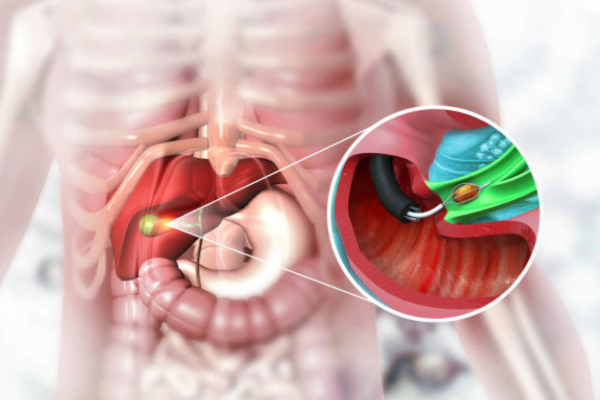
Helpful in identifying fatty liver disease, gallstones, or abdominal abnormalities.
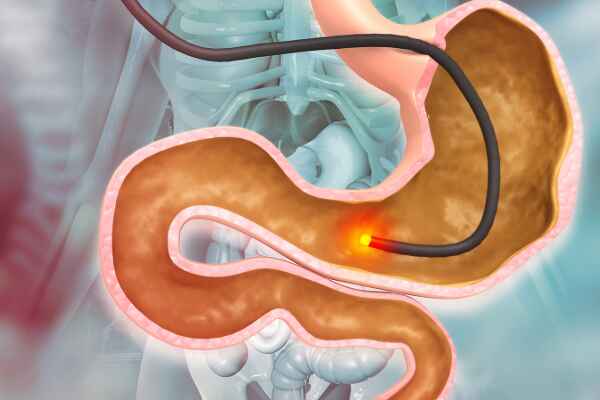
Endoscopy
An endoscopy helps doctors examine the food pipe, stomach, and upper digestive tract.
It is commonly recommended for:
- Persistent acidity
- Difficulty swallowing
- Stomach ulcers
- Gastritis
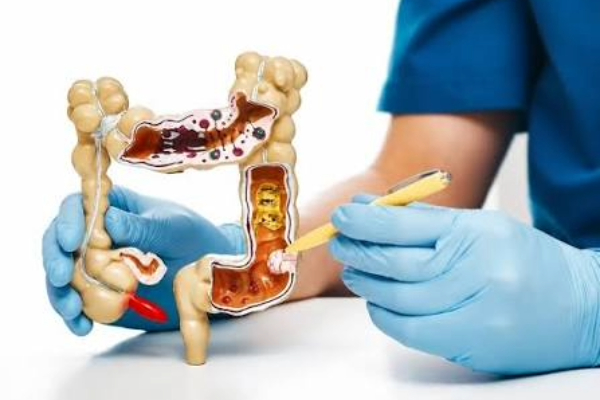
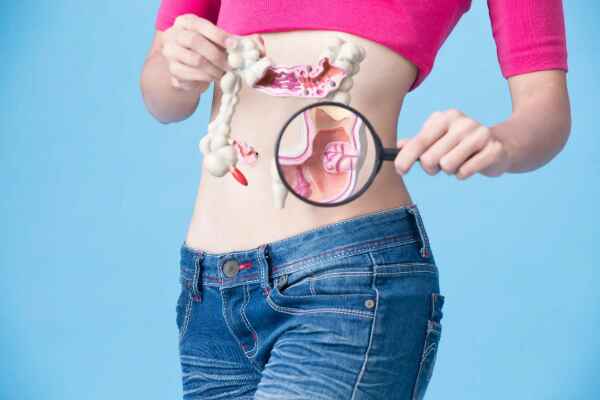
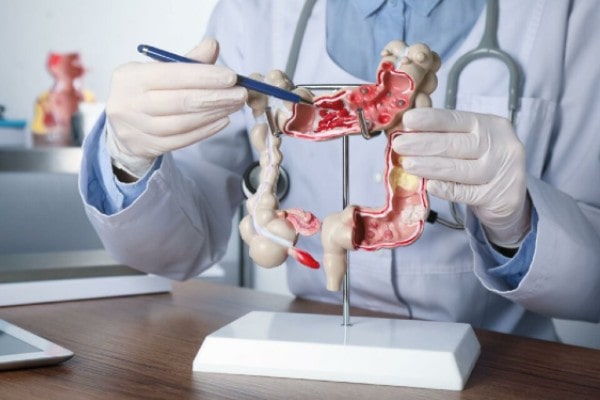
Colonoscopy
A colonoscopy helps evaluate the large intestine and identify conditions such as:
- IBS-related concerns
- Polyps
- Colitis
- Bleeding disorders
Early diagnosis often leads to more effective treatment outcomes.
Lifestyle Changes That Improve Gut Health
Small daily changes can significantly improve digestive health.
Eat Meals on Time
Maintaining a consistent eating schedule helps regulate digestion and reduces acidity.
Increase Fiber Intake
Fiber supports bowel health and healthy gut bacteria.
Include foods like:
- Fruits
- Vegetables
- Whole grains
- Oats
- Lentils
Stay Hydrated
Drinking enough water supports digestion and prevents constipation.
Exercise Regularly
Physical activity stimulates bowel movement and improves metabolism.
Even a 30-minute walk daily can help.
Reduce Processed Foods
Limit excessive fried food, sugary snacks, carbonated drinks, and processed meals.
Sleep Properly
Poor sleep patterns can worsen acidity and IBS symptoms.
Aim for 7–8 hours of quality sleep daily.
Manage Stress
Meditation, yoga, breathing exercises, and relaxation techniques may help reduce stress-related digestive issues.
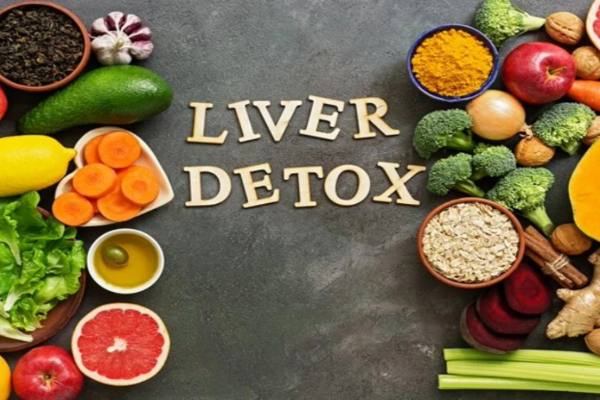
Foods That Support Better Digestive Health
Certain foods naturally support gut function and digestion.
Probiotic Foods
These contain beneficial bacteria that improve gut balance.
Examples include:
- Curd
- Buttermilk
- Yogurt
- Fermented foods
Prebiotic Foods
Prebiotics feed healthy gut bacteria.
Examples include:
- Bananas
- Garlic
- Onions
- Oats
Easily Digestible Foods
When experiencing digestive discomfort, choose lighter meals such as:
- Rice
- Khichdi
- Soups
- Boiled vegetables
Avoid overeating, especially late at night.
Why Early Medical Consultation Matters
Many people delay visiting a gastroenterologist due to embarrassment, fear, or self-medication.
Ignoring digestive symptoms can allow minor issues to become serious.
For example:
- Untreated GERD can damage the esophagus
- Chronic constipation can worsen piles and fissures
- Fatty liver disease may progress silently
- Persistent stomach ulcers can lead to complications
Seeking expert medical advice early helps identify the root cause and begin appropriate treatment.
Digestive Health in Chennai: Why Urban Lifestyle Is a Major Factor
Cities like Chennai are seeing a noticeable increase in digestive disorders due to changing lifestyles.
Contributing factors include:
- Busy work schedules
- Frequent restaurant dining
- High stress levels
- Lack of exercise
- Sleep deprivation
- Increased consumption of processed foods
The hot climate can also contribute to dehydration-related digestive issues if proper hydration is neglected.
People experiencing persistent acidity, bloating, IBS symptoms, or stomach pain should consult an experienced gastroenterologist for proper diagnosis and treatment.
Final Thoughts
Digestive problems among young adults are becoming increasingly common across India. While occasional acidity or bloating may not always indicate a serious problem, persistent digestive symptoms should never be ignored.
Modern lifestyle habits, stress, poor eating patterns, and unhealthy food choices are significantly impacting gut health.
Early diagnosis, balanced nutrition, stress management, and professional medical guidance can help prevent complications and improve quality of life.
Maintaining a healthy digestive system is not only important for stomach health but also for immunity, energy levels, and overall well-being.
If you experience ongoing digestive discomfort, consulting a qualified gastroenterologist can help identify the underlying cause and provide the right treatment plan.
Frequently Asked Questions (FAQs)
1. What are the most common digestive problems in young adults?
Common digestive problems include IBS, acidity, GERD, constipation, bloating, gastritis, and fatty liver disease.
2. When should I see a gastroenterologist for acidity?
You should consult a gastroenterologist if acidity occurs frequently, disturbs sleep, causes chest discomfort, or does not improve with lifestyle changes.
3. Can stress affect digestion?
Yes. Stress can directly affect the gut-brain connection and trigger symptoms such as bloating, stomach pain, diarrhea, constipation, and loss of appetite.
4. Is IBS a serious disease?
IBS is usually not life-threatening, but it can significantly affect quality of life if symptoms are severe or unmanaged.
5. What foods improve gut health naturally?
Curd, yogurt, fruits, vegetables, oats, whole grains, and fiber-rich foods help improve gut health naturally.
6. Can young adults develop fatty liver disease?
Yes. Poor diet, obesity, lack of exercise, diabetes, and unhealthy lifestyle habits can increase the risk of fatty liver disease even in younger individuals.
7. What tests are done for digestive disorders?
Doctors may recommend blood tests, ultrasound scans, endoscopy, colonoscopy, or stool analysis depending on the symptoms.
8. How can I prevent digestive problems naturally?
Eating balanced meals, exercising regularly, staying hydrated, sleeping properly, reducing stress, and avoiding excessive processed foods can help maintain digestive health.