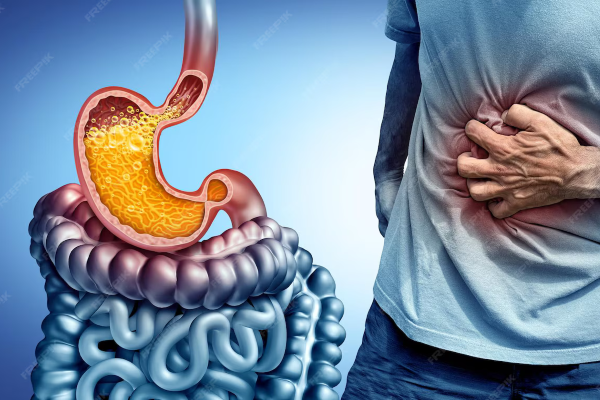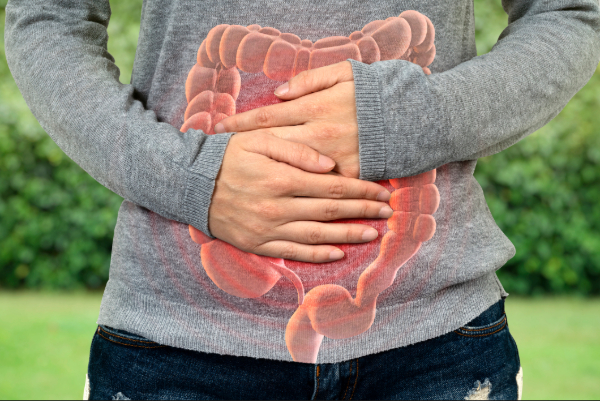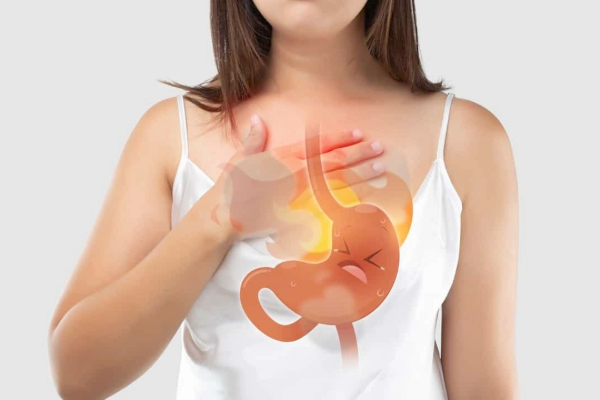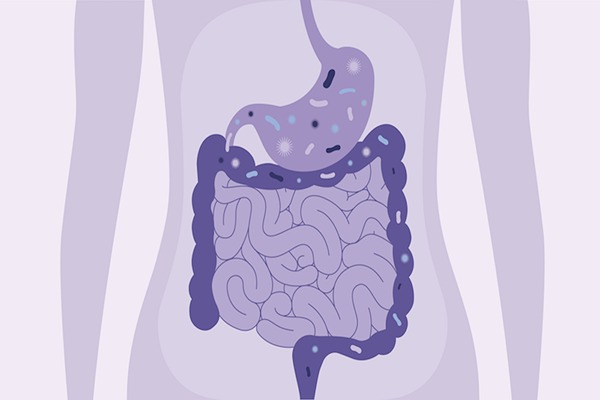
Silent Gut Disorders: Why Many Digestive Diseases Go Undiagnosed Until They Become Serious
The Hidden Digestive Health Crisis in Chennai
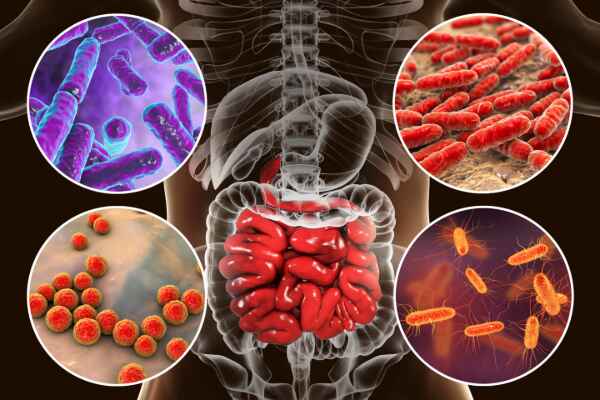
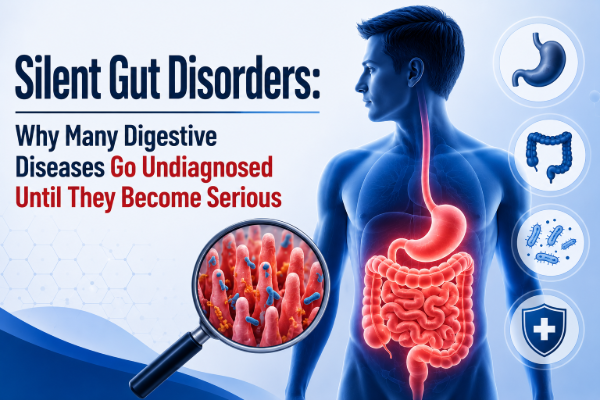
Many digestive disorders develop silently over months or even years before obvious symptoms appear. While occasional stomach discomfort may seem harmless, persistent digestive changes can sometimes indicate underlying gastrointestinal conditions that require medical attention.
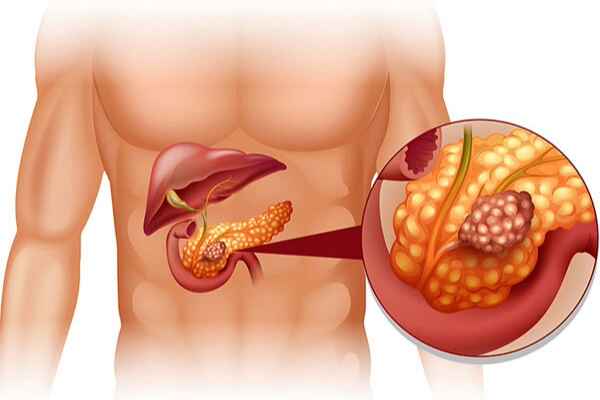
In Chennai, an increasing number of patients are being diagnosed with advanced digestive disorders that could have been detected much earlier through timely evaluation. Conditions such as inflammatory bowel disease (IBD), colorectal polyps, fatty liver disease, peptic ulcers, celiac disease, and gastrointestinal cancers often begin with subtle symptoms that people tend to ignore.
As a Consultant Gastroenterologist and Hepatologist in Chennai, Dr. Aditya Shah frequently encounters patients who delayed seeking medical advice because their symptoms seemed minor initially.
Understanding the early warning signs of silent digestive diseases can help prevent complications and improve long-term health outcomes.
What Are Silent Digestive Disorders?
Silent digestive disorders are gastrointestinal conditions that develop gradually and may not produce severe symptoms during their early stages.
Many patients assume their symptoms are caused by:
- Stress
- Irregular eating habits
- Spicy food
- Work pressure
- Aging
- Temporary stomach infections
However, recurring digestive complaints can sometimes indicate an underlying disease that requires proper diagnosis and treatment.
Why Are Digestive Disorders Often Ignored?
Several factors contribute to delayed diagnosis:
Busy Urban Lifestyle
Many working professionals in Chennai prioritize work over health and postpone medical consultations.
Self-Medication
People often rely on:
- Antacids
- Painkillers
- Digestive tablets
- Home remedies
These may temporarily relieve symptoms without addressing the underlying cause.
Lack of Awareness
Many individuals are unaware that digestive symptoms can signal serious conditions affecting the stomach, intestines, liver, pancreas, or colon.
Common Silent Digestive Diseases
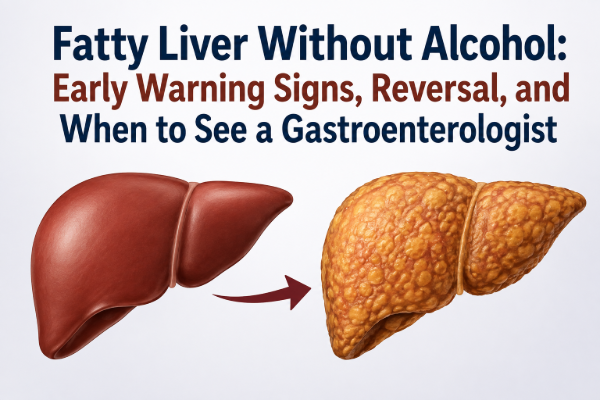
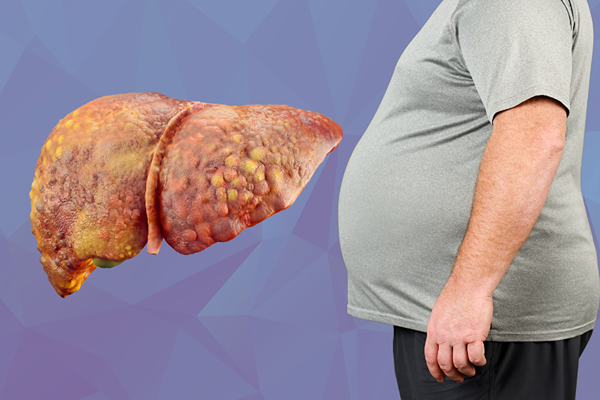
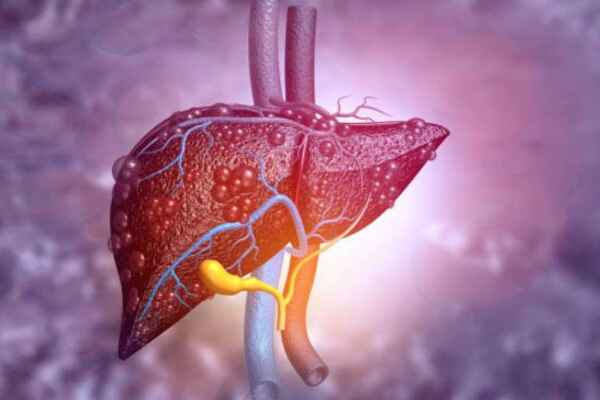
1. Fatty Liver Disease
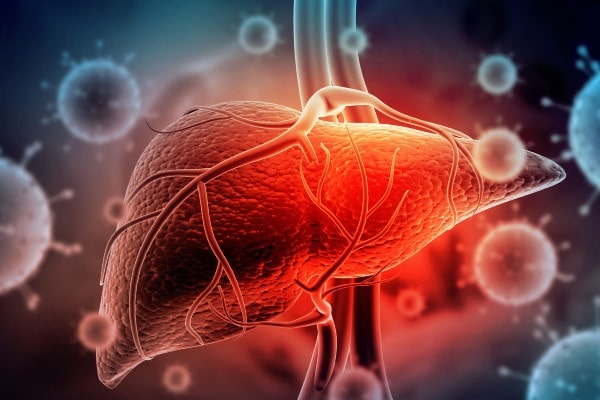
Fatty Liver Disease has become one of the fastest-growing liver conditions in India.
Early stages usually produce no symptoms.
Many patients discover the condition only during:
- Routine health checkups
- Ultrasound scans
- Liver function tests
Risk factors include:
- Obesity
- Diabetes
- High cholesterol
- Sedentary lifestyle
- Poor dietary habits
If left untreated, fatty liver can progress to liver fibrosis, cirrhosis, and liver failure.
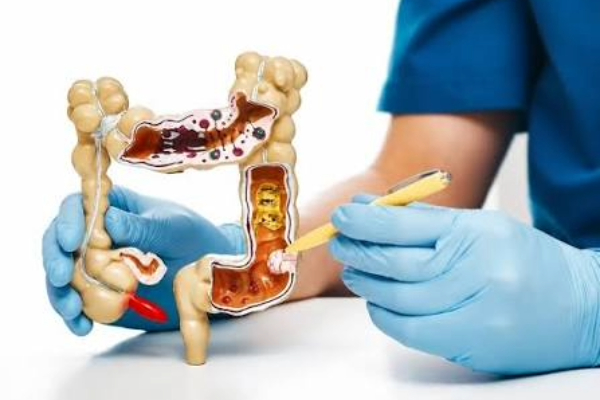
2. Colorectal Polyps
Colon polyps are abnormal growths in the large intestine.
Most polyps do not cause symptoms.
However, some polyps can eventually become cancerous.
Regular colonoscopy screening helps detect and remove polyps before they develop into colorectal cancer.
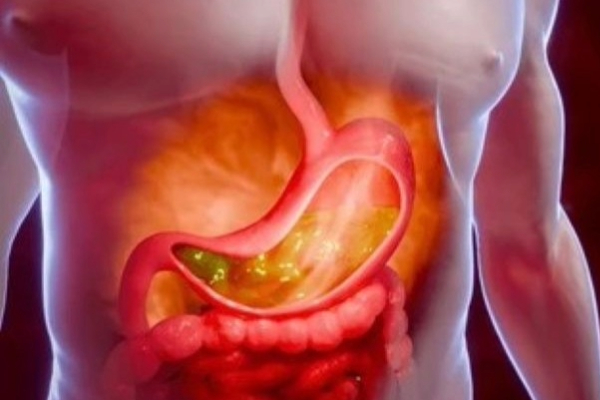
3. Peptic Ulcers
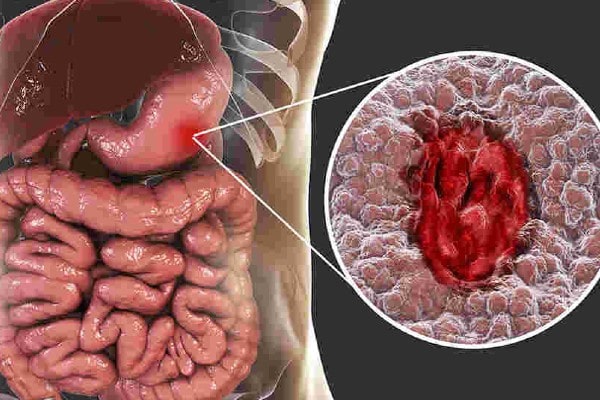
Peptic ulcers may develop slowly and remain unnoticed.
Common symptoms include:
- Mild stomach pain
- Bloating
- Indigestion
- Nausea
Untreated ulcers may lead to:
- Bleeding
- Perforation
- Severe abdominal pain
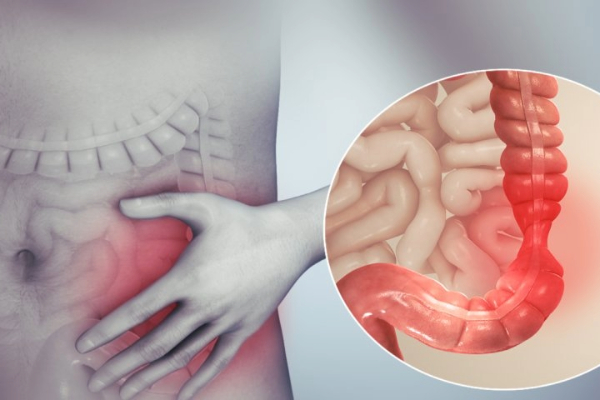
4. Inflammatory Bowel Disease (IBD)
IBD includes:
- Crohn's Disease
- Ulcerative Colitis
Early symptoms are often mistaken for common digestive issues.
Patients may experience:
- Mild diarrhea
- Occasional abdominal pain
- Fatigue
- Weight loss
Delayed treatment can result in significant intestinal damage.
5. Celiac Disease
Celiac disease occurs when the body's immune system reacts to gluten.
Symptoms may be subtle and include:
- Bloating
- Nutritional deficiencies
- Chronic fatigue
- Anemia
Many patients remain undiagnosed for years.
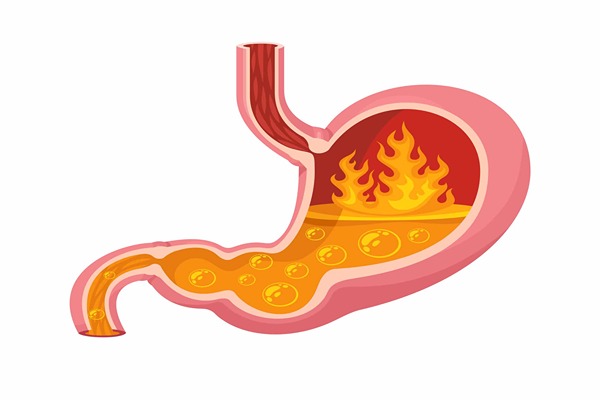
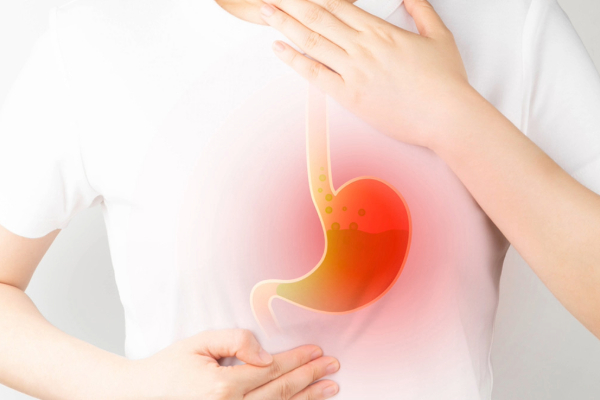
6. Gastroesophageal Reflux Disease (GERD)
Many people consider frequent heartburn normal.
However, chronic acid reflux can damage the esophagus and increase the risk of complications.
Common symptoms include:
- Burning sensation in the chest
- Sour taste in the mouth
- Chronic cough
- Difficulty swallowing
Early Warning Signs You Should Never Ignore
Consult a Gastroenterologist in Chennai if you experience:
- Persistent bloating
- Frequent acidity
- Chronic constipation
- Recurrent diarrhea
- Blood in stools
- Unexplained weight loss
- Loss of appetite
- Persistent abdominal pain
- Difficulty swallowing
- Fatigue associated with digestive symptoms
These symptoms may indicate underlying gastrointestinal disorders that require investigation.
How Modern Lifestyle Contributes to Digestive Disease
Processed Food Consumption
Highly processed foods often contain:
- Excess sugar
- Unhealthy fats
- Preservatives
These can negatively affect gut health.
Stress and Gut Health
The gut and brain are closely connected.
Chronic stress can trigger:
- IBS
- Acid reflux
- Indigestion
- Abdominal discomfort
Lack of Physical Activity
A sedentary lifestyle can contribute to:
- Constipation
- Obesity
- Fatty liver disease
Poor Sleep
Insufficient sleep affects:
- Digestion
- Metabolism
- Hormonal balance
Importance of Preventive Gastrointestinal Screening
Many digestive diseases can be detected before symptoms become severe.
Recommended screening methods include:
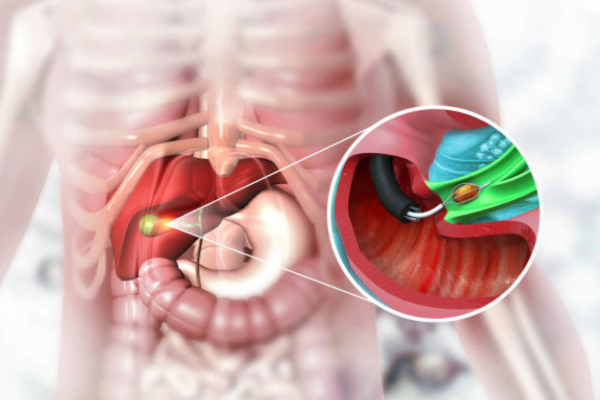
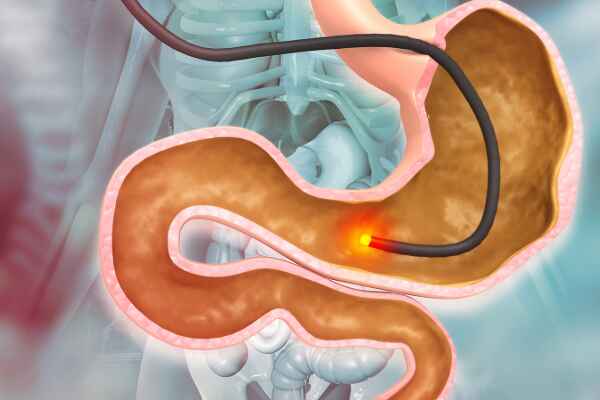
Endoscopy
Helps evaluate:
- Acid reflux
- Gastritis
- Ulcers
- Upper gastrointestinal abnormalities
Colonoscopy
Useful for:
- Colon polyps
- Colorectal cancer screening
- Chronic bowel symptoms
Liver Function Tests
Detect:
- Fatty liver
- Hepatitis
- Liver inflammation
Ultrasound Scan
Evaluates:
- Liver
- Gallbladder
- Pancreas
- Digestive organs
How to Protect Your Digestive Health
Eat a Balanced Diet
Include:
- Fruits
- Vegetables
- Whole grains
- Lean proteins
- Fiber-rich foods
Stay Hydrated
Drink sufficient water throughout the day.
Exercise Regularly
Aim for at least 30 minutes of activity daily.
Avoid Smoking and Excess Alcohol
These habits increase the risk of digestive and liver diseases.
Schedule Regular Health Checkups
Preventive screening can identify problems before complications occur.
Expert Digestive Care in Chennai
If you are experiencing persistent digestive symptoms, early consultation can make a significant difference.
Dr. Aditya Shah, Consultant Gastroenterologist and Hepatologist in Chennai, specializes in diagnosing and managing:
- Fatty Liver Disease
- GERD
- Irritable Bowel Syndrome (IBS)
- Inflammatory Bowel Disease
- Liver Disorders
- Digestive Disorders
- Endoscopic Procedures
- Colonoscopy Screening
With extensive experience in advanced gastroenterology and hepatology care, Dr. Aditya Shah provides personalized treatment plans focused on long-term digestive wellness.
Conclusion
Many digestive diseases progress silently before producing serious symptoms. Ignoring recurring digestive discomfort can delay diagnosis and increase the risk of complications.
Recognizing early warning signs, maintaining a healthy lifestyle, and undergoing preventive screening are essential for protecting digestive health.
If you notice persistent digestive symptoms, consult Dr. Aditya Shah, one of the leading Gastroenterologists and Hepatologists in Chennai, for comprehensive evaluation and expert care.
Frequently Asked Questions
Can digestive diseases exist without symptoms?
Yes. Conditions such as fatty liver disease, colon polyps, and early-stage gastrointestinal disorders often develop silently.
When should I see a gastroenterologist for bloating?
If bloating occurs frequently or is associated with pain, weight loss, or bowel changes, medical evaluation is recommended.
Is acidity always caused by food?
No. Chronic acidity may indicate GERD, ulcers, or other digestive conditions.
Can young adults develop serious digestive diseases?
Yes. Digestive disorders can affect individuals of any age.
How often should colonoscopy screening be performed?
The frequency depends on age, family history, and risk factors. Your gastroenterologist can recommend an appropriate screening schedule.
What is the best way to prevent digestive diseases?
A healthy diet, regular exercise, adequate hydration, stress management, and routine health screenings are key preventive measures.