
Bile Duct Disorder Treatment in Teynampet, Chennai
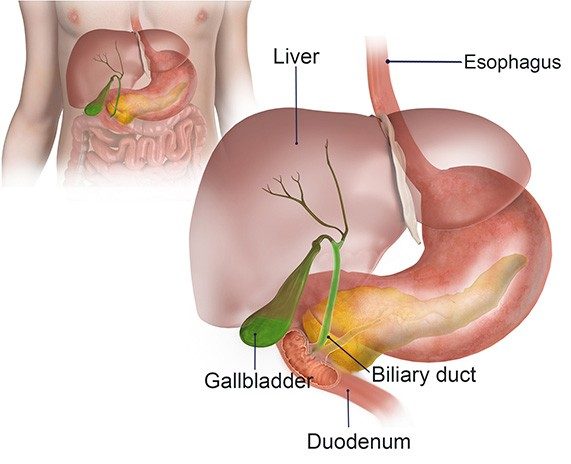
What Is Cholangioscopy?
Cholangioscopy is a test used for both diagnosis & treatment for disorders of the bile ducts. It is an effective evaluation method for identifying blockages in the bile ducts. Cholangioscopy is also known as Pancreatoscopy or Intraductal Endoscopy.
Why Is It Performed?
Generally, it is used when results obtained from Endoscopic Retrograde Cholangiopancreatography are insufficient for making the correct diagnosis. Cholangioscopy enables the physician to visualise and examine the biliary system, liver & pancreatic ducts.
How To Prepare For A Cholangioscopy?
- The patient is generally advised to not eat or drink anything for at least 8 to 12 hours before Cholangioscopy.
- The doctor would also recommend the patient to stop taking blood-thinning, diabetes or blood pressure medications temporarily before undergoing the procedure.
Book An Appointment for Bile Duct Disorder Treatment in Teynampet, Chennai.
What To Expect During Cholangioscopy?
The patient would be given a sedative intravenously before the procedure begins. A small tube known as cholangioscope is inserted into the patient’s mouth down the oesophagus through the stomach into the biliary tract during the process.
With the help of a cholangioscope, the doctor can diagnose, collect samples, and treat stones in the gallbladder, stones in bile ducts, & bile duct strictures. Cholangioscopy is also an important tool for ruling out cancer in the biliary tract.
After the procedure, the patient can go home once the sedative wears off. The patient is advised to follow a diet with only clear liquids such as water, lemonade, tea or coffee without milk for the next 24 hours. The patient can resume his regular activities a day after the surgery unless otherwise instructed by the doctor.
Talk to the expert, Dr Aditya Shah, Best Gastroenterologist in Teynampet Chennai.
Are There Any Side Effects?
- Reactions to the sedative: The sedatives used for anesthesia may cause drowsiness, nausea or vomiting.
- Sore Throat is a common side effect: As the endoscope is passed down the oesophagus, it causes tenderness in the throat.
- Gas or Cramps in the abdomen: The doctor may have released a small amount of air into the digestive system to have a clearer view of the organs. This may lead to gas, bloating or cramps after the procedure.
Reach out to the best for more queries, Dr Aditya Shah, Best Gastroenterologist in Apollo Hospital Chennai.