Fatty Liver Without Alcohol: Early Warning Signs, Reversal, and When to See a Gastroenterologist
Fatty Liver Without Alcohol: What Every Adult Should Know
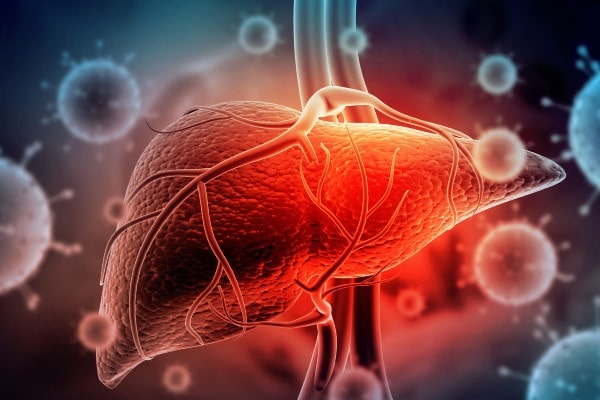
Fatty liver disease is no longer a condition associated only with excessive alcohol consumption. Today, millions of people who rarely or never drink alcohol are being diagnosed with fatty liver disease during routine health check-ups.
This condition, now commonly known as Metabolic Dysfunction-Associated Steatotic Liver Disease (MASLD) (previously called Non-Alcoholic Fatty Liver Disease or NAFLD), has become one of the leading causes of chronic liver disease worldwide.
The worrying part is that fatty liver often develops silently without noticeable symptoms until significant liver damage has already occurred.
If diagnosed early, fatty liver can often be reversed through lifestyle changes, medical management, and treatment of underlying metabolic conditions.
At Dr. Aditya Shah Gastro & Liver Clinic, Dr. Aditya Shah, Consultant Gastroenterologist and Hepatologist in Chennai, provides comprehensive evaluation and personalized treatment plans for patients with fatty liver disease and other liver disorders.
What Is Fatty Liver Disease?
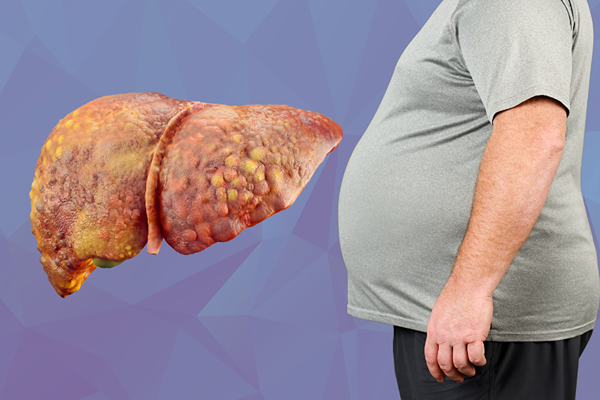
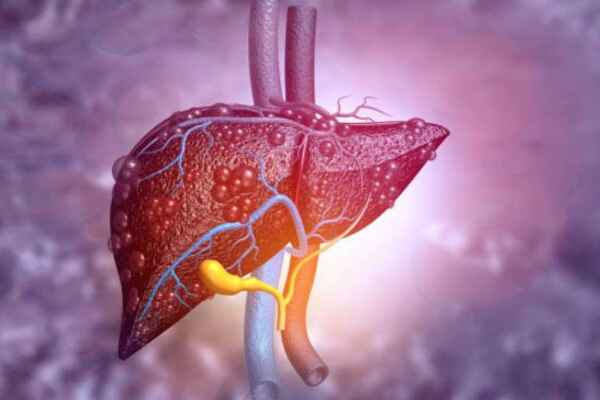
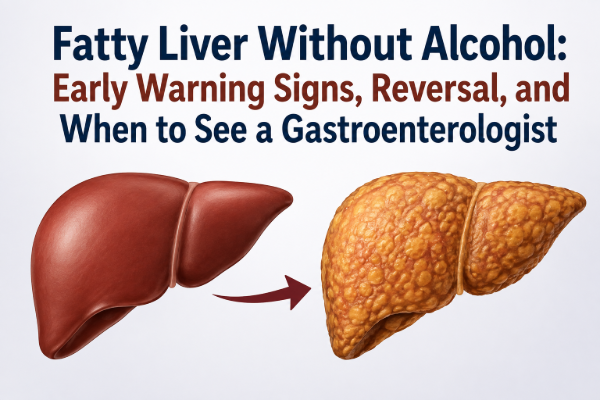
Fatty liver disease occurs when excessive fat accumulates inside liver cells.
Normally, a small amount of fat is present in the liver. However, when fat exceeds approximately 5% of liver weight, it is considered fatty liver.
Over time, this fat accumulation can trigger inflammation, scarring (fibrosis), and eventually cirrhosis if left untreated.
There are two main categories:
- Alcohol-related fatty liver disease
- Metabolic Dysfunction-Associated Steatotic Liver Disease (MASLD)
This blog focuses on fatty liver that develops without alcohol.
Why Is Fatty Liver Becoming More Common?
Modern lifestyles have significantly increased the number of people developing fatty liver.
Major contributing factors include:
- Obesity
- Type 2 diabetes
- High cholesterol
- High triglycerides
- Insulin resistance
- Lack of exercise
- Poor dietary habits
- Excess sugar intake
- Processed foods
- PCOS in women
- Hypertension
Many patients diagnosed with fatty liver have no history of alcohol consumption.
Who Is at Higher Risk?
Anyone can develop fatty liver, but the risk increases in people with:
- Diabetes
- Overweight or obesity
- Central obesity (belly fat)
- High blood pressure
- High cholesterol
- Metabolic syndrome
- Hypothyroidism
- Sleep apnea
- Family history of liver disease
- PCOS
- Sedentary lifestyle
Even individuals with a normal Body Mass Index (BMI) can develop fatty liver, especially if they have excess abdominal fat.
Early Warning Signs of Fatty Liver
Most people experience no symptoms during the early stages.
When symptoms develop, they may include:
- Persistent fatigue
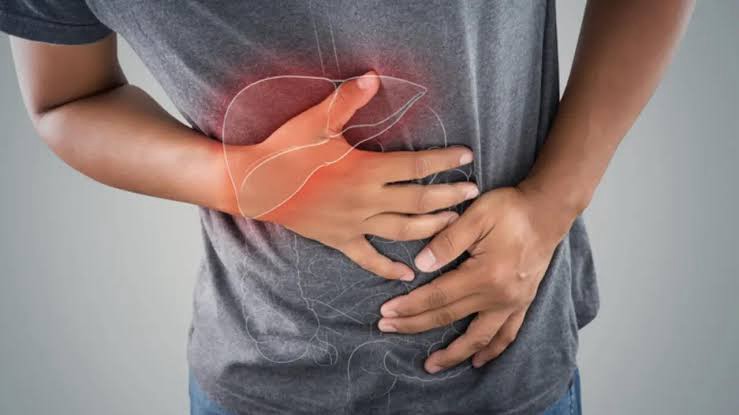
- Mild pain in the upper right abdomen
- Feeling of fullness after meals
- Unexplained weakness
- Poor concentration
- Mild bloating
As liver damage progresses, symptoms may become more serious.
Advanced Symptoms That Need Immediate Medical Attention
Seek medical evaluation if you notice:
- Yellowing of eyes or skin
- Swollen abdomen
- Leg swelling
- Vomiting blood
- Black stools
- Severe fatigue
- Easy bruising
- Confusion
- Significant weight loss
These symptoms may indicate advanced liver disease.
What Happens If Fatty Liver Is Ignored?
Many people assume fatty liver is harmless.
Unfortunately, untreated fatty liver may progress through several stages:
Stage 1 – Simple Fatty Liver
Fat accumulates in liver cells.
Usually reversible.
Stage 2 – Steatohepatitis
Fat accumulation causes liver inflammation.
This stage increases the risk of liver damage.
Stage 3 – Fibrosis
Repeated inflammation causes scar tissue formation.
Liver function starts becoming affected.
Stage 4 – Cirrhosis
Permanent scarring develops.
The liver loses its ability to function properly.
Stage 5 – Liver Failure or Liver Cancer
Advanced liver disease significantly increases the risk of liver failure and hepatocellular carcinoma.
Early diagnosis prevents progression.
How Is Fatty Liver Diagnosed?
Diagnosis usually involves multiple assessments.
Medical History
Your gastroenterologist will evaluate:
- Medical conditions
- Family history
- Lifestyle
- Medications
- Alcohol intake
- Diet
Physical Examination
The doctor checks for:
- Enlarged liver
- Abdominal tenderness
- Obesity
- Signs of liver disease
Blood Tests
Common investigations include:
- Liver Function Test (LFT)
- SGOT
- SGPT
- Bilirubin
- Albumin
- Blood sugar
- HbA1c
- Lipid profile
Ultrasound
Ultrasound is often the first imaging test used to identify fatty liver.
FibroScan
FibroScan measures:
- Liver stiffness
- Fibrosis
- Fat accumulation
It is painless and highly useful for monitoring disease progression.
CT or MRI
Sometimes recommended for detailed liver assessment.
Liver Biopsy
Reserved for selected patients when diagnosis remains uncertain or advanced disease is suspected.
Can Fatty Liver Be Reversed?
Yes.
One of the most encouraging facts about fatty liver is that it can often be reversed, especially during its early stages.
The key is timely diagnosis and consistent lifestyle modification.
Lifestyle Changes That Help Reverse Fatty Liver
Maintain Healthy Weight
Even a 7–10% reduction in body weight can significantly improve liver health.
Exercise Regularly
Aim for:
- 150 minutes of moderate exercise weekly
- Strength training
- Walking
- Cycling
- Swimming
Eat More Whole Foods
Choose:
- Fruits
- Vegetables
- Whole grains
- Lentils
- Nuts
- Healthy fats
Reduce Sugar Intake
Limit:
- Soft drinks
- Desserts
- Packaged juices
- Refined carbohydrates
Eat Lean Protein
Include:
- Fish
- Chicken
- Eggs
- Tofu
- Beans
Avoid Processed Foods
Reduce consumption of:
- Fast food
- Fried food
- Bakery products
- Processed meat
Sleep Well
Poor sleep contributes to insulin resistance and weight gain.
Aim for 7–8 hours daily.
Medical Treatment
There is no single medicine that cures fatty liver.
Treatment focuses on controlling the underlying causes.
Depending on individual needs, your doctor may recommend management for:
- Diabetes
- High cholesterol
- Obesity
- Blood pressure
- Thyroid disorders
- Vitamin deficiencies
Regular follow-up is essential to monitor liver health.
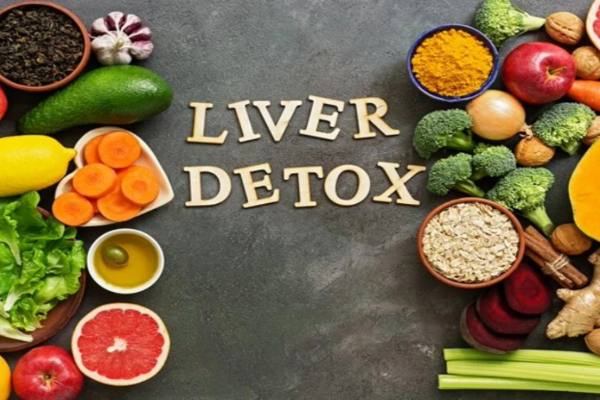
Foods That Support Liver Health
A liver-friendly diet includes:
- Green leafy vegetables
- Coffee (in moderation, if appropriate)
- Olive oil
- Oats
- Berries
- Citrus fruits
- Garlic
- Walnuts
- Fatty fish
- Legumes
Foods to Limit
Reduce intake of:
- Sugary drinks
- White bread
- Cakes
- Pastries
- Alcohol
- Fried snacks
- Fast food
- Processed meat
- Excess salt
Common Myths About Fatty Liver
Myth 1: Only Alcohol Causes Fatty Liver
False.
Most modern fatty liver cases are related to metabolic health.
Myth 2: Fatty Liver Always Causes Symptoms
False.
Many patients feel perfectly healthy.
Myth 3: Young People Cannot Develop Fatty Liver
False.
Children and young adults are increasingly affected due to obesity and unhealthy diets.
Myth 4: Weight Loss Alone Solves Everything
Not always.
Medical evaluation is necessary to identify fibrosis and associated metabolic disorders.
When Should You Consult a Gastroenterologist?
Consult a specialist if:
- Ultrasound shows fatty liver
- Liver enzymes are elevated
- You have diabetes
- You are overweight
- You have persistent abdominal discomfort
- You have jaundice
- There is a family history of liver disease
- You experience unexplained fatigue
Early intervention significantly improves long-term outcomes.
Why Choose Dr. Aditya Shah?
Dr. Aditya Shah is a Consultant Gastroenterologist and Hepatologist in Teynampet, Chennai, experienced in diagnosing and managing liver diseases, digestive disorders, and advanced gastrointestinal conditions.
Patients receive:
- Comprehensive liver evaluation
- Evidence-based treatment plans
- Fibrosis risk assessment
- Personalized dietary guidance
- Long-term follow-up care
- Advanced management of chronic liver diseases
If you are experiencing symptoms of fatty liver or have abnormal liver function tests, seeking timely consultation can help prevent long-term complications.
Frequently Asked Questions (FAQs)
1. Can a person with fatty liver completely recover?
Yes. Early-stage fatty liver can often be reversed with weight management, exercise, healthy eating, and treatment of associated metabolic conditions.
2. Does fatty liver always mean liver failure?
No. Most people never develop liver failure if the condition is detected and managed early.
3. Is fatty liver painful?
Many patients have no symptoms. Some experience mild discomfort or heaviness in the upper right abdomen.
4. Can slim people develop fatty liver?
Yes. Individuals with insulin resistance, diabetes, or excess abdominal fat can develop fatty liver even if they are not overweight.
5. Which doctor should I consult for fatty liver?
A Gastroenterologist and Hepatologist is the most appropriate specialist for diagnosing and managing fatty liver disease.
6. Can exercise alone cure fatty liver?
Exercise is one of the most effective treatments, but the best results come from combining regular physical activity with healthy eating, weight management, and medical care when needed.
7. How often should fatty liver be monitored?
The frequency depends on the severity of the disease and associated conditions. Your gastroenterologist will recommend appropriate follow-up with blood tests, imaging, or FibroScan as needed.
Conclusion
Fatty liver disease without alcohol has become one of the most common yet overlooked liver conditions worldwide. Because it often progresses silently, early detection is essential to prevent inflammation, fibrosis, cirrhosis, and liver-related complications. Fortunately, timely diagnosis, lifestyle modification, and expert medical guidance can reverse or significantly slow disease progression in many patients.
If you have diabetes, obesity, abnormal liver function tests, or an ultrasound showing fatty liver, don't ignore these warning signs. Consult Dr. Aditya Shah, Consultant Gastroenterologist and Hepatologist in Teynampet, Chennai, for a comprehensive liver evaluation and a personalized treatment plan aimed at protecting your long-term liver health.