Liver Detox Myths: What Works and What Doesn’t?
Contact Dr. Aditya Shah, the Best Gastroenterologist in Chennai
The liver is one of the most vital organs in the human body, responsible for detoxifying harmful substances, producing bile for digestion, and metabolizing nutrients. Despite its powerful natural detoxification abilities, many people believe that special diets, supplements, or detox programs can "cleanse" the liver and restore its function.
But do these detox methods really work? Or are they just clever marketing gimmicks? In this article, we’ll break down the myths and truths about liver detox and highlight what truly supports long-term liver health.
Common Myths About Liver Detox
- Myth 1: Juice Cleanses Flush Out Toxins from the Liver
Reality: Juice cleanses, which often involve consuming only fruit and vegetable juices for days, have become a popular "detox" method. However, there is no scientific evidence that they help remove toxins from the liver.
The liver naturally detoxifies your body 24/7 by breaking down toxins and eliminating them through urine, stool, and sweat. Juice cleanses may provide some vitamins, but they lack protein and essential nutrients required for liver function. Additionally, excessive fruit juice intake can increase sugar levels and contribute to fatty liver disease. - Myth 2: Detox Teas and Supplements Purge the Liver
Reality: Many herbal detox teas and supplements claim to "cleanse" the liver, but most lack scientific proof and can even be harmful. Some herbal ingredients, such as senna or cascara, may act as laxatives, but they do not "cleanse" the liver.
While certain herbs like milk thistle and turmeric have shown potential benefits in liver health, they should be used cautiously and under medical supervision. Overuse of some supplements can cause liver damage instead of healing it. - Myth 3: Drinking More Water Flushes Out Liver Toxins
Reality: Staying hydrated is essential for overall health, but drinking excessive water will not "flush out" toxins from the liver. The liver detoxifies substances through complex metabolic processes, and its ability to do so does not depend on how much water you drink.
However, drinking adequate water (about 2-3 liters per day) helps support kidney function, which plays a role in excreting waste products. - Myth 4: A Detox Diet Can Reverse Liver Damage
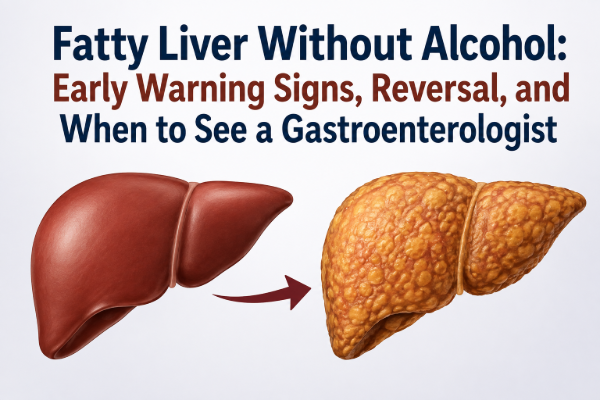
Reality: While a healthy diet can support liver function, no short-term detox diet can reverse liver damage caused by years of poor lifestyle habits, alcohol abuse, or chronic conditions like fatty liver disease.
To truly improve liver health, long-term dietary and lifestyle changes are required, including:- Eating a balanced diet with whole foods
- Reducing sugar and processed food intake
- Maintaining a healthy weight
- Avoiding excessive alcohol consumption
- Myth 5: You Need to Detox After Alcohol Consumption
Reality: The liver processes and breaks down alcohol naturally. However, frequent alcohol consumption can overload the liver, leading to fat buildup, inflammation, and scarring (cirrhosis).
The best way to support liver health after alcohol intake is to reduce or eliminate alcohol consumption altogether rather than relying on quick-fix detox programs.
_
What Actually Supports Liver Health?
Now that we've debunked the myths, let's focus on proven ways to keep your liver healthy:
- Eat a Liver-Friendly Diet
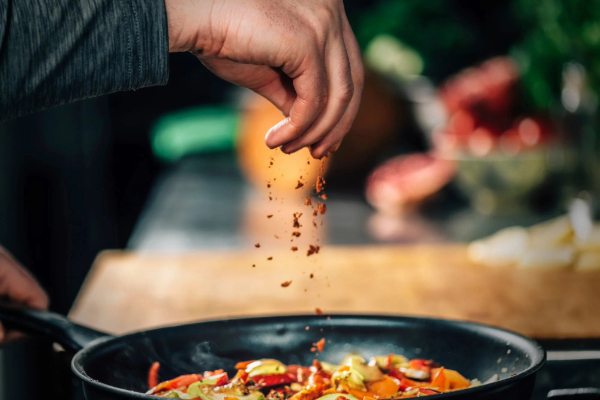
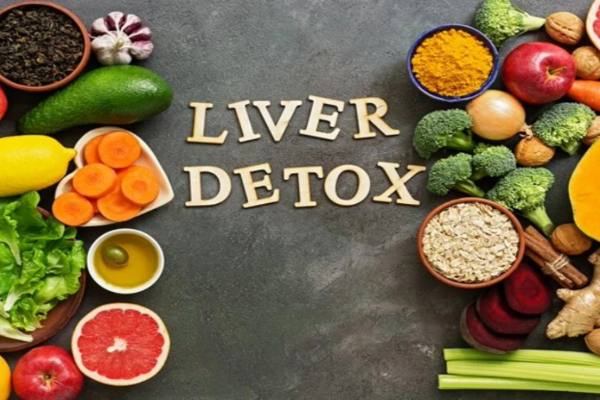
A diet rich in whole, unprocessed foods is the best way to support liver function. Include:- Leafy greens (spinach, kale) and cruciferous vegetables (broccoli, Brussels sprouts) to boost detoxification enzymes
- Garlic and onions, which contain compounds that support liver health
- Turmeric and ginger, known for their anti-inflammatory properties
- Healthy fats from nuts, seeds, and olive oil
- Lean protein sources, such as fish, chicken, and legumes, to support liver repair
- Maintain a Healthy Weight
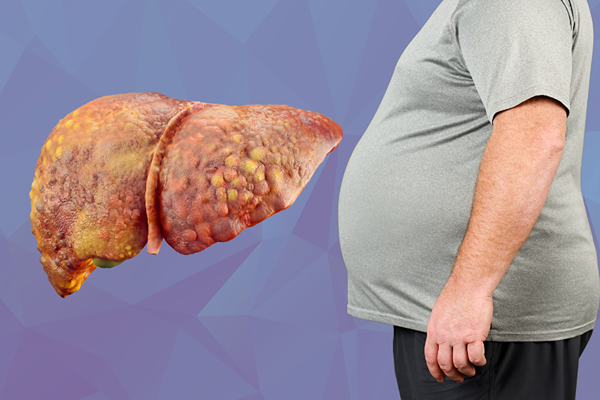
Obesity, especially abdominal fat, is a major risk factor for non-alcoholic fatty liver disease (NAFLD). Excess fat accumulates in liver cells, leading to inflammation and potential liver damage. Regular exercise and a balanced diet are essential for preventing liver fat buildup. - Limit Processed Foods and Sugary Drinks
Foods high in refined sugar, trans fats, and artificial additives put extra stress on the liver. Cut down on:- Sodas and sugary drinks
- Fast food and deep-fried items
- Processed meats and snacks
Instead, choose whole grains, fresh fruits, and homemade meals to support liver function.
- Avoid Excessive Alcohol Consumption
Excess alcohol is one of the leading causes of liver disease. Drinking too much can result in fatty liver, alcoholic hepatitis, fibrosis, and even cirrhosis.
To protect your liver, follow moderate drinking guidelines (1 drink per day for women, 2 drinks for men) or avoid alcohol completely. - Get Regular Checkups
Many liver diseases do not show symptoms in the early stages. Regular liver function tests (LFTs) and ultrasound screenings can help detect issues before they become severe. If you experience:- Persistent fatigue
- Jaundice (yellowing of the skin/eyes)
- Unexplained weight loss
- Abdominal swelling or pain
When Should You See a Liver Specialist?
Liver diseases such as fatty liver, hepatitis, cirrhosis, and liver cancer require medical attention. If you have risk factors such as obesity, diabetes, heavy alcohol use, or a family history of liver disease, routine screenings are crucial.
For expert liver care, schedule an appointment with Dr. Aditya Shah, the best gastroenterologist in Chennai.
Your liver is your body’s natural detoxifier—support it with healthy habits, not fad detoxes! 💙