Gastric Ulcers — Causes, Warning Signs, and the Road to Healing
Overview
Everybody has occasionally had stomach pains, whether it's the heaviness after a late-night dinner or the burning feeling after a spicy meal. However, what if such symptoms continue and get worse over time?
It may be more than acidity. It might indicate a stomach ulcer, a disorder that silently impacts thousands of individuals year throughout India.
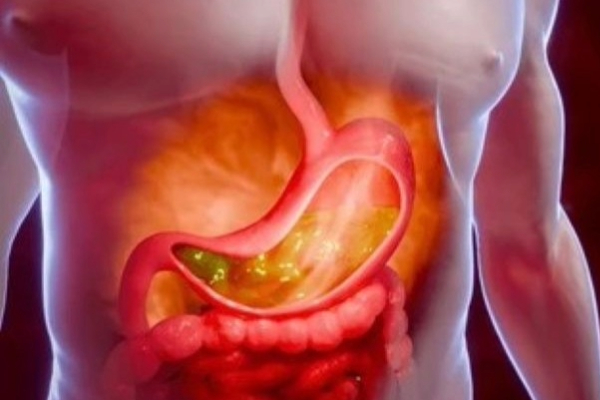
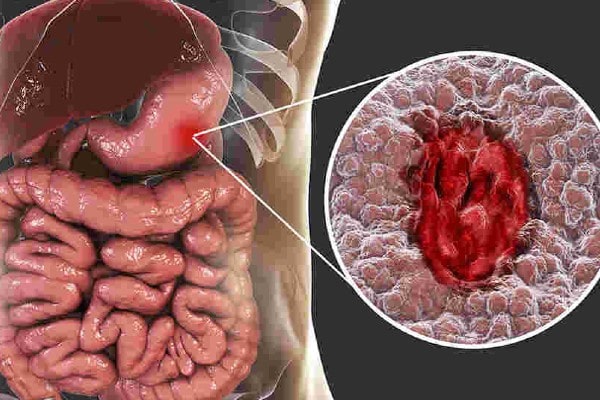
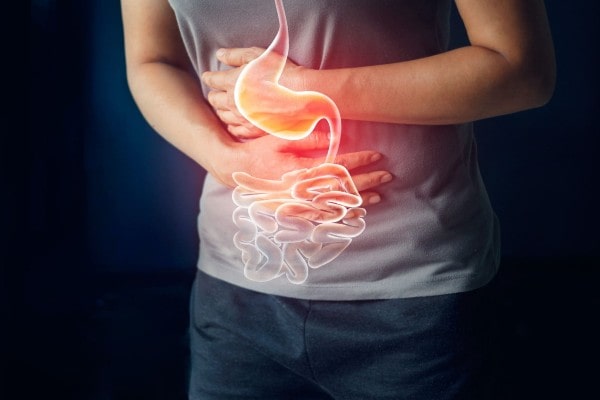
Painful sores that form on the stomach's inner lining are called gastric ulcers, or stomach ulcers. They are part of a broader group called peptic ulcer disease (PUD), which also includes duodenal ulcers (in the small intestine).
Gastric ulcers are a common digestive disease, but they are frequently misdiagnosed and ignored until they become serious.
Gastric ulcers are becoming more common in Chennai, where stress, spicy food, and irregular meals are all part of daily life.
With precise diagnosis, dietary advice, and medication care, Dr. Aditya Shah, a top consultant gastroenterologist and hepatologist in Teynampet, Chennai, has helped innumerable patients with ulcer-related conditions reach full recovery.
Let's examine the origins of gastric ulcers, how to spot the symptoms, and how to find the path to full recovery.
A Gastric Ulcer: What Is It?
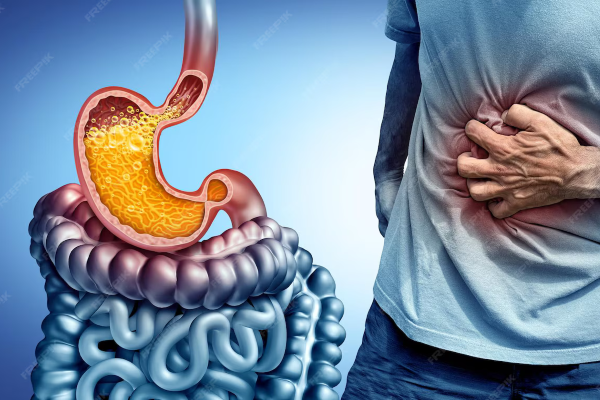
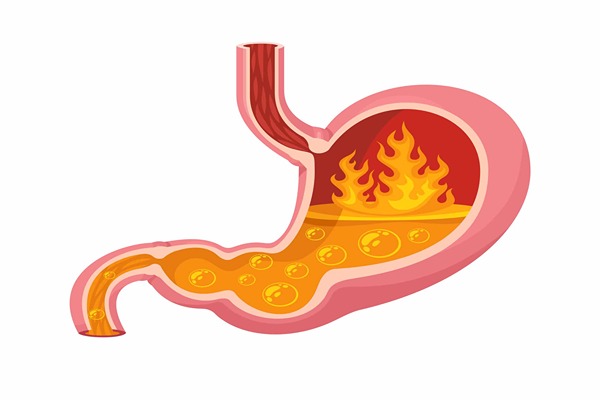
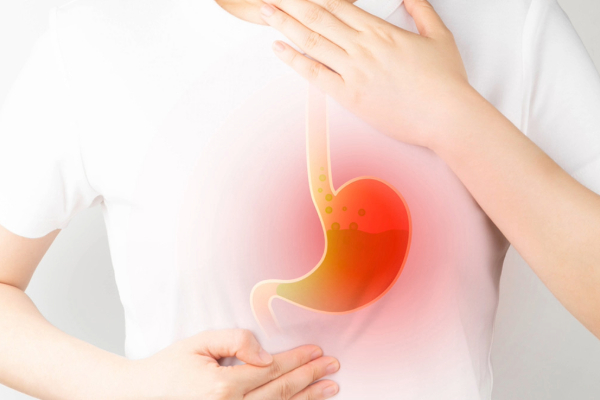
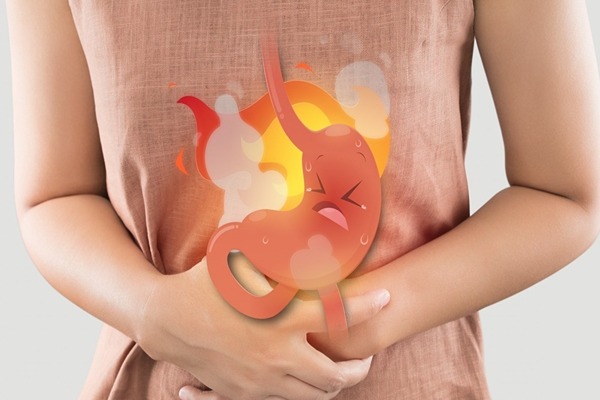
When the mucous lining of the stomach weakens or is destroyed, an open sore known as a gastric ulcer forms on the inner lining.
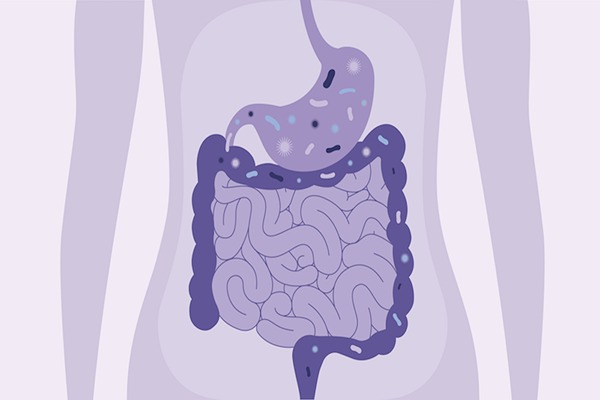
In addition to secreting mucus to protect its lining, your stomach normally produces acid to aid in food digestion. An ulcer develops when the equilibrium between these two is upset, causing acid to erode the stomach wall.
These ulcers can vary in severity, and if treatment is not received, they may possibly result in bleeding or perforation.
The good news? With prompt treatment and lifestyle modifications, the majority of stomach ulcers fully heal.
Gastric Ulcers' Primary Causes
There is no one cause for ulcers; rather, they arise from an imbalance between the stomach's acid and protective proteins. Let's examine each of the main contributors:
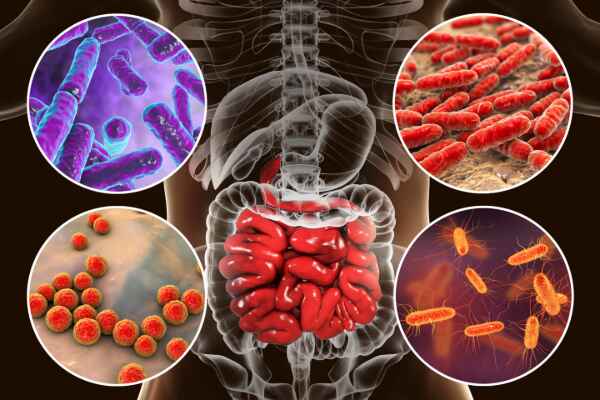
1. Infection with H. pylori
- One of the most prevalent causes in the globe.
- The spiral-shaped bacterium Helicobacter pylori (H. pylori) is found in the lining of the stomach. Acid can harm tissue because it causes inflammation and weakens the mucous membrane.
- Usually contracted as a youngster, this illness might go unnoticed for years before developing into ulcers.
2. Consistent Use of NSAIDs (painkillers)
- Non-steroidal anti-inflammatory medicines (NSAIDs) as ibuprofen, aspirin, or diclofenac can irritate the stomach lining and weaken its defences if taken often or for an extended period of time.
- Without being aware of the possible adverse effects on the digestive system, many people in Chennai use these medications for headaches, body aches, or arthritis.
3. Unusual Meals and Stress
- Stress exacerbates pre-existing ulcers by slowing healing and increasing acid production, even if it doesn't create ulcers on its own.
- Professionals frequently skip meals or eat at strange hours, which further throws off the acid-base balance and digestion.
4. Smoking and Drinking Too Much
- While smoking promotes acid secretion and hinders healing, alcohol irritates the stomach's mucosal layer. Both are significant risk factors for the recurrence of ulcers.
5. Hot and Greasy Foods
- Although South Indian food is tasty, frequent consumption of large amounts of oil, chilli, and spices can exacerbate the symptoms of acid reflux and ulcers.
6. Hereditary Propensity
- A family history of ulcers or disorders like Zollinger-Ellison syndrome, which results in excessive acid production, may run in some people's family.
Gastric Ulcer Symptoms
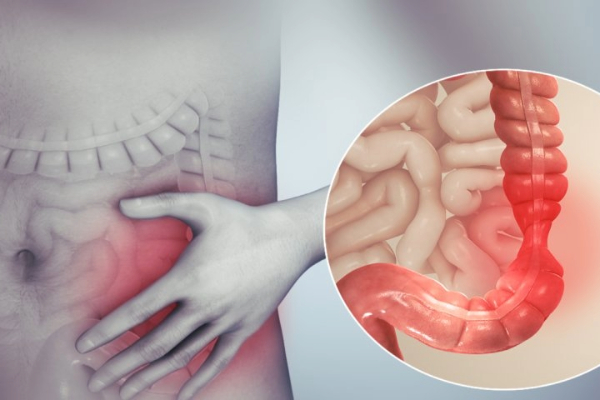
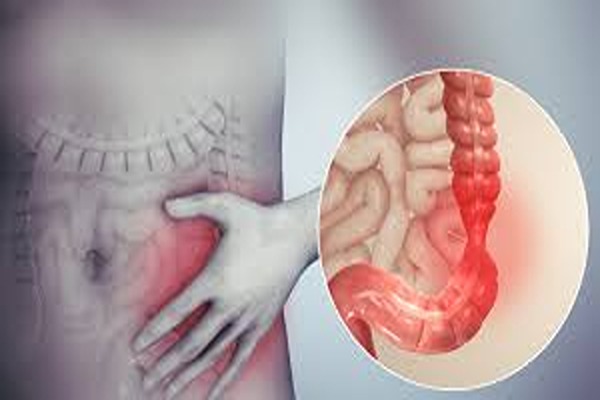
The location and severity of ulcers affect their symptoms. While some people might feel a little uncomfortable, others might be in excruciating pain.
The following are the most typical indicators to look out for:
- Burning stomach pain: Usually experienced at night or in the upper abdomen in between meals.
- Fullness and bloating: Feeling heavy even after eating little meals.
- Belching and indigestion.
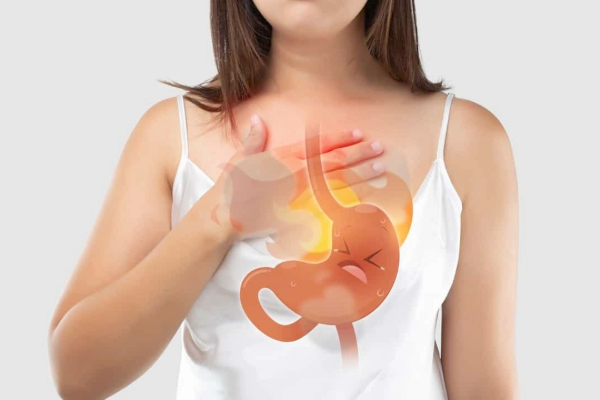
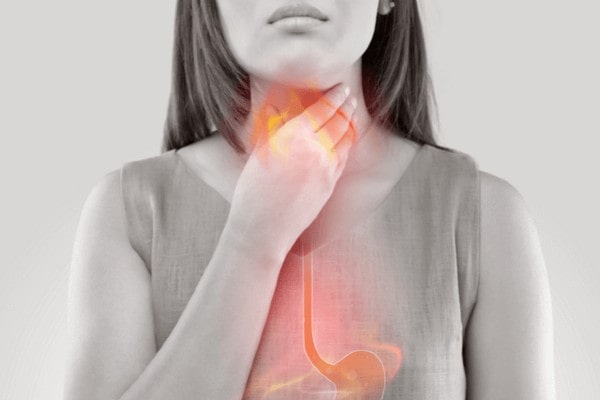
- Acid reflux or heartburn.
- Appetite loss or inadvertent weight loss.
- Vomiting or feeling queasy.
- Vomiting blood or having dark, tarry stools are signs of bleeding ulcers that need to be treated right once.
Pain frequently comes and goes; it could go better for a short while after eating or using antacids, but it will come back when the stomach is empty.
Why Chennai Has Such a High Rate of Gastric Ulcers
Chennai's lively culture and busy schedules make for an excellent environment for stomach issues, but so do the local customs:
- Diets high in spice: Eating fried snacks, pickles, and masala-based meals frequently raises acidity.
- Unusual meal timing: A lot of people eat late at night or skip breakfast.
- Workplace stress: Acid secretion is increased by long commutes and office stress.
- Self-medication: It's common to use painkillers without a doctor's prescription.
- Climate factors: Acidity symptoms can be exacerbated by heat and dehydration.
Over the past ten years, Dr. Aditya Shah, a renowned gastroenterologist in Chennai, has observed a consistent increase in the number of patients with ulcer problems, particularly among younger adults.
How to Diagnose Gastric Ulcers
Finding the ulcer's root cause as well as the ulcer itself is part of the diagnosis process. The disorder is confirmed by a combination of diagnostic tests and clinical history.
1. Physical examination and medical history
Your physician will enquire about your lifestyle choices, medications, pain patterns, and symptoms.
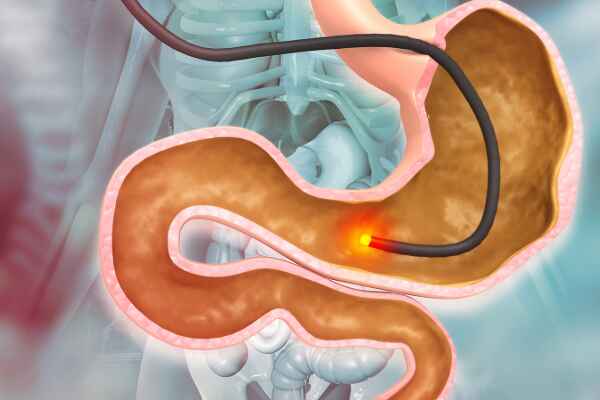
2. Endoscopy of the Upper GI
- The most accurate test for ulcers is this one.
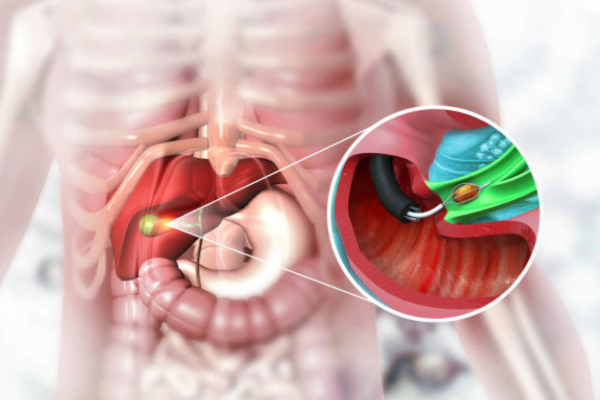
- To observe the ulcer up close and, if necessary, obtain tissue samples, a thin, flexible camera called an endoscope is inserted through the mouth into the stomach.
- Additionally, endoscopy aids in ruling out more serious problems such as haemorrhage or stomach cancer.
3. Tests for H. pylori
These could consist of:
- Test for urea breath
- Test for stool antigen
- During an endoscopy, a biopsy
4. Tests of the Blood
- To assess general health and anaemia brought on by bleeding ulcers.
Dr. Aditya Shah's Teynampet clinic guarantees precise, painless ulcer patient diagnosis with modern endoscopy and biopsy capabilities.
Therapy: The Path to Recovery
Reducing acid, healing the ulcer, getting rid of the infection, and preventing recurrence are the objectives of treatment.
A common treatment regimen looks like this:
1. Getting rid of the H. pylori infection
- Your doctor will recommend triple therapy or quadruple therapy if H. pylori is the cause of your ulcer:
- Two medications to eradicate the germs
- An acid-reducing proton pump inhibitor (PPI)
- When taken properly, this regimen, which usually lasts 10–14 days, is very successful.
2. Drugs for Acid Suppression
- PPIs: Lower the production of acid (e.g., pantoprazole, omeprazole, esomeprazole).
- H2 blockers, such as famotidine and ranitidine, offer temporary alleviation.
- Antacids: Provide short-term, instant relief.
3. Steering Clear of Trigger Substances
- Reduce alcohol consumption, quit smoking, and only take painkillers as directed by a doctor. Your doctor may recommend safer substitutes if necessary.
4. Changes in Diet and Lifestyle
Healing begins with basic, regular routines.
Consume:
- Steamed fruits and vegetables, such as papaya and bananas
- Curd with buttermilk (natural probiotics)
- Soft, non-spicy foods like idli, rice gruel, dal
- Herbal teas like chamomile
Avoid:
- Spicy gravies, pickles, and chutneys
- Caffeine and carbonated drinks
- Fried or sour meals
- Eating right before bed
5. Stress Management
- Stress delays healing and raises stomach acid.
- Include breathing techniques, yoga, or mindfulness meditation—practices that Chennai is renowned for.
6. Consistent Monitoring
- You must finish the course of treatment and, if advised, have a follow-up endoscopy even after your symptoms subside.
Potential Side Effects (If Untreated)
Serious issues may arise if ulcer symptoms are ignored or treatment is stopped too soon:
- Bleeding Ulcers: Black stools or blood in the vomit are signs of bleeding, which is a medical emergency.
- Perforation: An infection (peritonitis) and excruciating abdominal discomfort can result from a hole in the stomach wall.
- The Gastric Outlet Obstruction: Vomiting results from swelling or scar tissue obstructing food transit.
- Elevated Cancer Risk: A persistent H. pylori infection may marginally increase the risk of developing stomach cancer.
With the right medical attention and early diagnosis, many problems can be avoided.
Natural Healing — Supplementing Health Care
Natural healing practices enhance recovery, even while medical therapy is crucial:
- Chew your meal well and eat leisurely.
- Maintain regular meal schedules — every 3–4 hours.
- Drink water, coconut water, or soups to stay hydrated.
- After meals, avoid lying down for two hours.
- Keep your head up a little while you sleep.
- One of Chennai's greatest places to unwind is the beach, where you may take leisurely strolls or engage in hobbies to relieve tension.
Advice for Keeping Your Stomach Healthy
- Avoid missing meals, particularly breakfast.
- Avoid drinking too much tea or coffee when you're not feeling well.
- Never use painkillers without first eating or consulting a doctor.
- Reduce alcohol consumption and give up smoking.
- Regular exercise and relaxation can help you manage stress.
- Every day, make sure you drink lots of water.
- If you have had ulcers in the past, get regular checkups.
The best defence against long-term damage to your stomach lining is to lead an active lifestyle.
The Importance of Professional Gastro Care
Antacids and other home treatments are often used by people to self-treat ulcers, although this only serves to momentarily hide the symptoms.
By determining the underlying reason, a trained professional ensures appropriate and long-lasting healing.
A renowned gastroenterologist and hepatologist in Chennai, Dr. Aditya Shah treats each patient's dietary, stress, and bacterial variables with clinical precision and a comprehensive approach. Many patients have benefited from his knowledge of advanced endoscopy, liver and gut health, and evidence-based treatments, which have helped them totally recover and avoid recurrence.
FAQs
Q1. Are acidity and gastric ulcers interchangeable?
No. An ulcer is a real sore or wound in the stomach lining, whereas acidity is a transient rise in stomach acid.
Q2. Are ulcers self-healing?
Changes in lifestyle may help mild ulcers, but most require medical care to avoid complications.
Q3. How long does it take for a stomach ulcer to heal?
Usually 4–8 weeks, depending on the reason and the effectiveness of the treatment.
Q4. Can ulcers result from eating spicy food?
Although it doesn't create ulcers directly, spicy food can exacerbate pre-existing ones and make them more uncomfortable.
Q5. Does an endoscopy hurt?
No, it's a painless, safe treatment carried out with a little sedation.
Q6. Can ulcers be brought on by stress alone?
Although stress slows healing and increases acid production, it does not cause ulcers.
Q7. What symptoms indicate a bleeding ulcer?
If you get black stools, blood in your vomit, lightheadedness, or fainting, get medical attention right away.
Q8. Should I give up coffee?
Keep your daily intake to one cup, ideally after meals. Caffeine overuse can aggravate ulcers.
Q9. Do young adults frequently have ulcers?
Yes, particularly because of the abuse of painkillers, stress, and fast food habits.
Q10. After healing, can ulcers recur?
Yes, provided the H. pylori infection isn't completely eradicated or if risk factors like smoking and NSAID use persist.
Q11. Can milk help with ulcers?
While milk is initially calming, too much of it can subsequently cause more acid. Eat sparingly.
Q12. After therapy, how frequently should I follow up?
Usually six to eight weeks later, or as your doctor recommends for an endoscopic evaluation.
In Conclusion
Although gastric ulcers may begin mildly, if left untreated, they can have serious consequences. It can make all the difference to recognise early warning symptoms, such as nausea, indigestion, or scorching discomfort.
Timely diagnosis, appropriate therapy, and mindful eating practices are crucial.
You may both heal and avoid recurrence by managing stress, eating a balanced diet, and staying away from irritants.
See Dr. Aditya Shah, a renowned consultant gastroenterologist and hepatologist in Teynampet, Chennai, if you're having ongoing stomach issues. A seamless transition from discomfort to full healing is guaranteed by his proficiency in digestive health, state-of-the-art diagnostic equipment, and patient-centered approach.
Book Your Gut Health Consultation in Chennai
👨⚕ Dr. Aditya Shah - Consultant Gastroenterologist & Hepatologist
📍 Chennai | Advanced Digestive & Liver Care Clinic
🌐 Website: www.dradityagastro.com